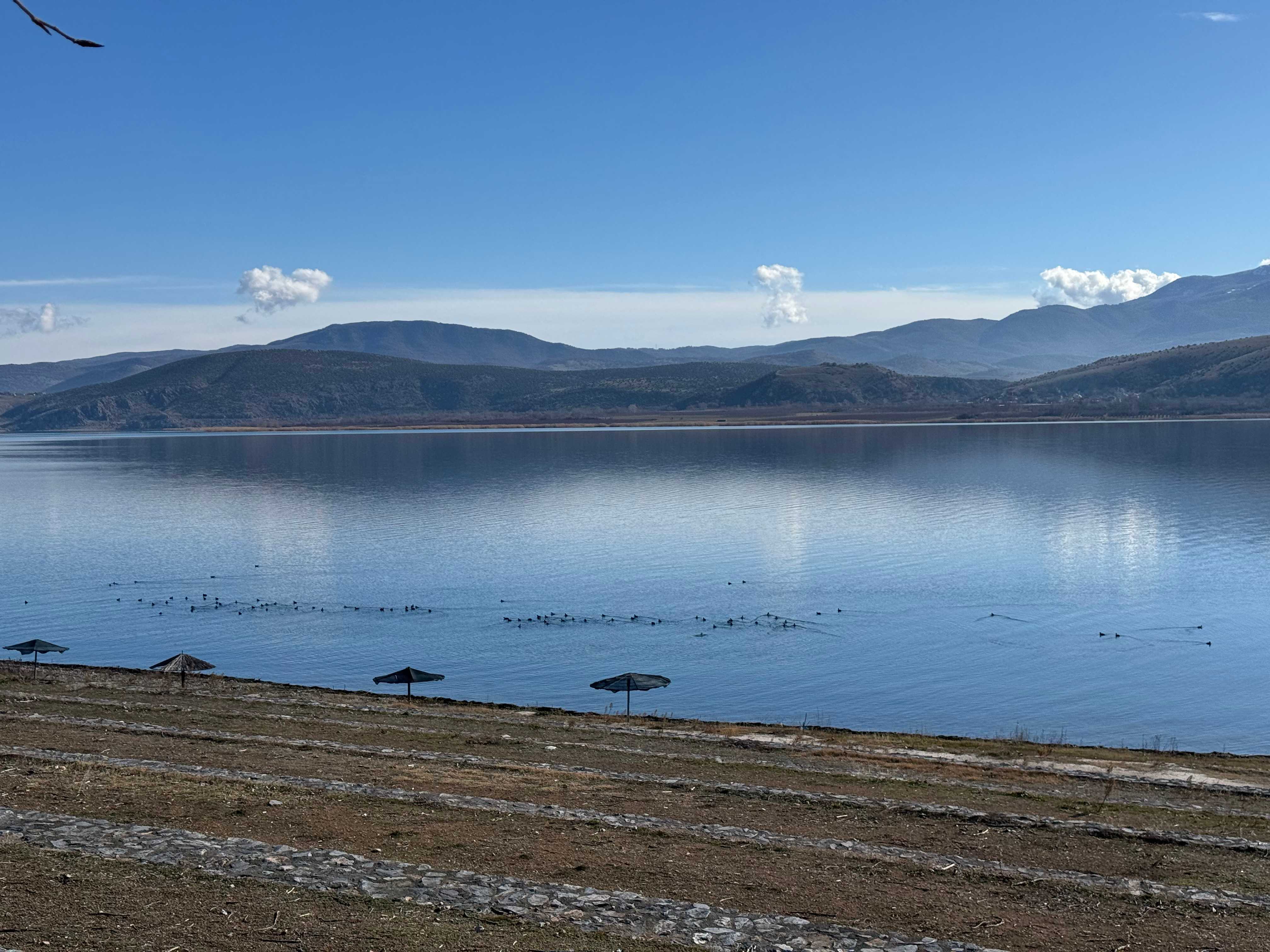
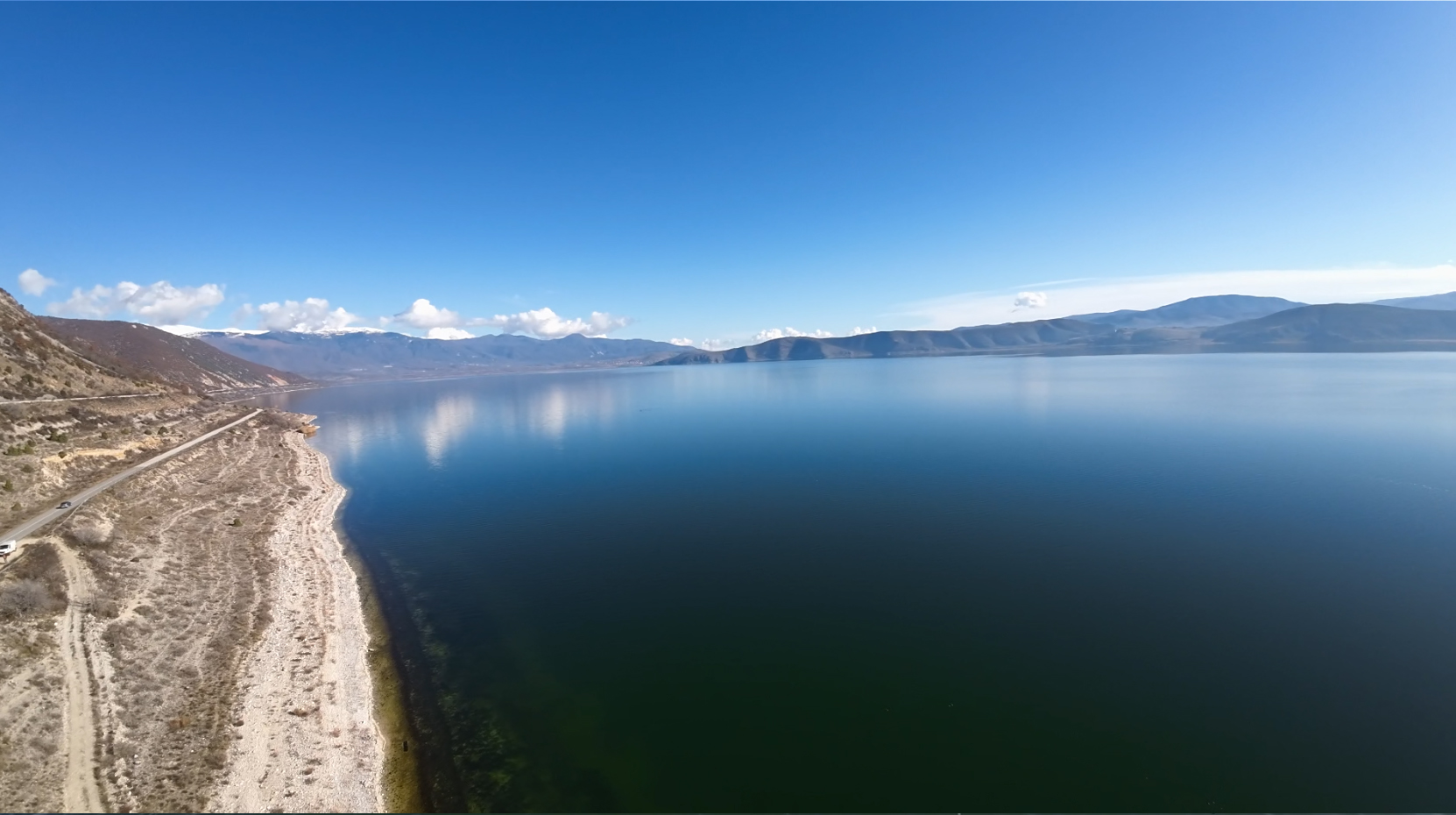
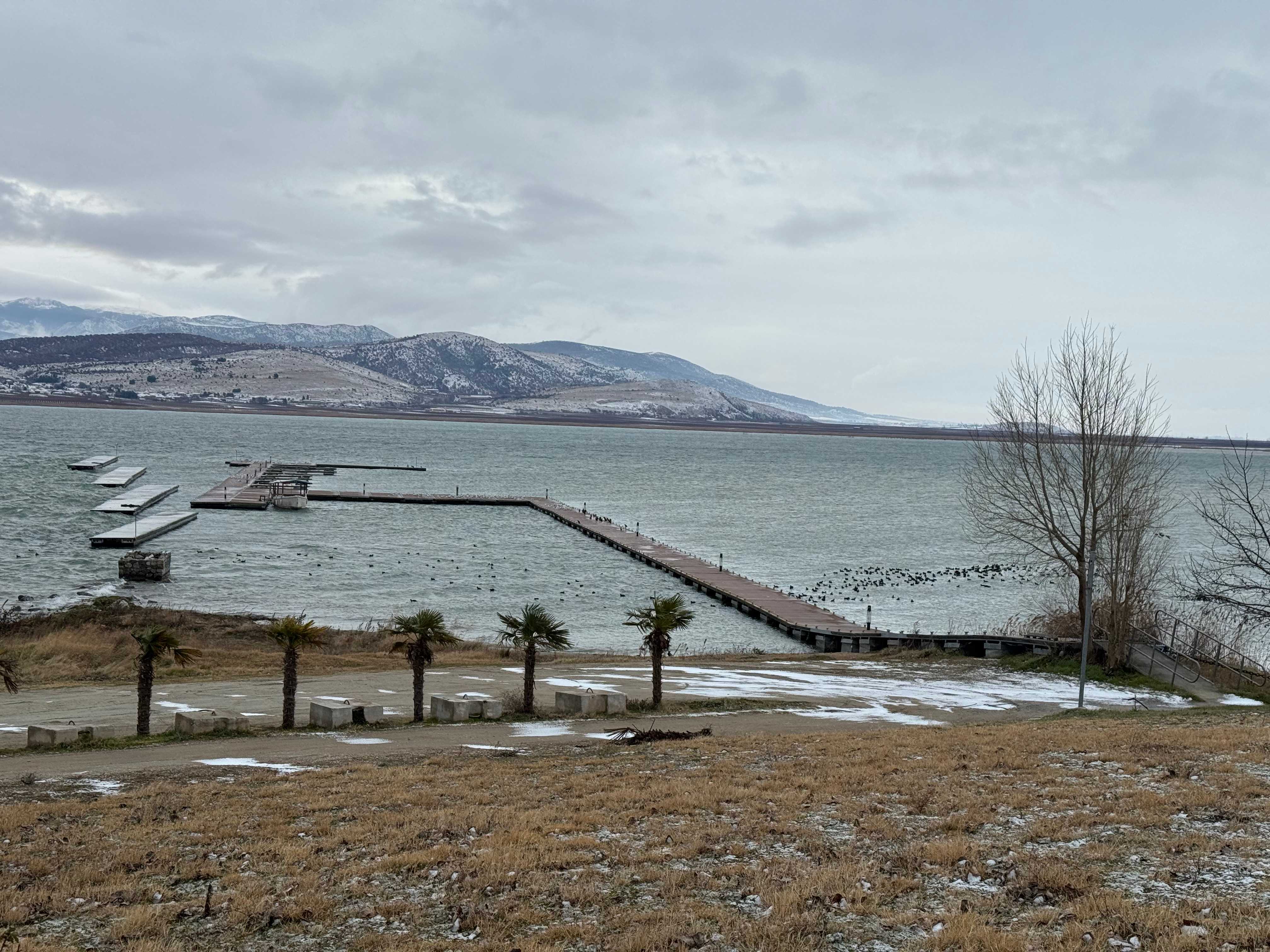
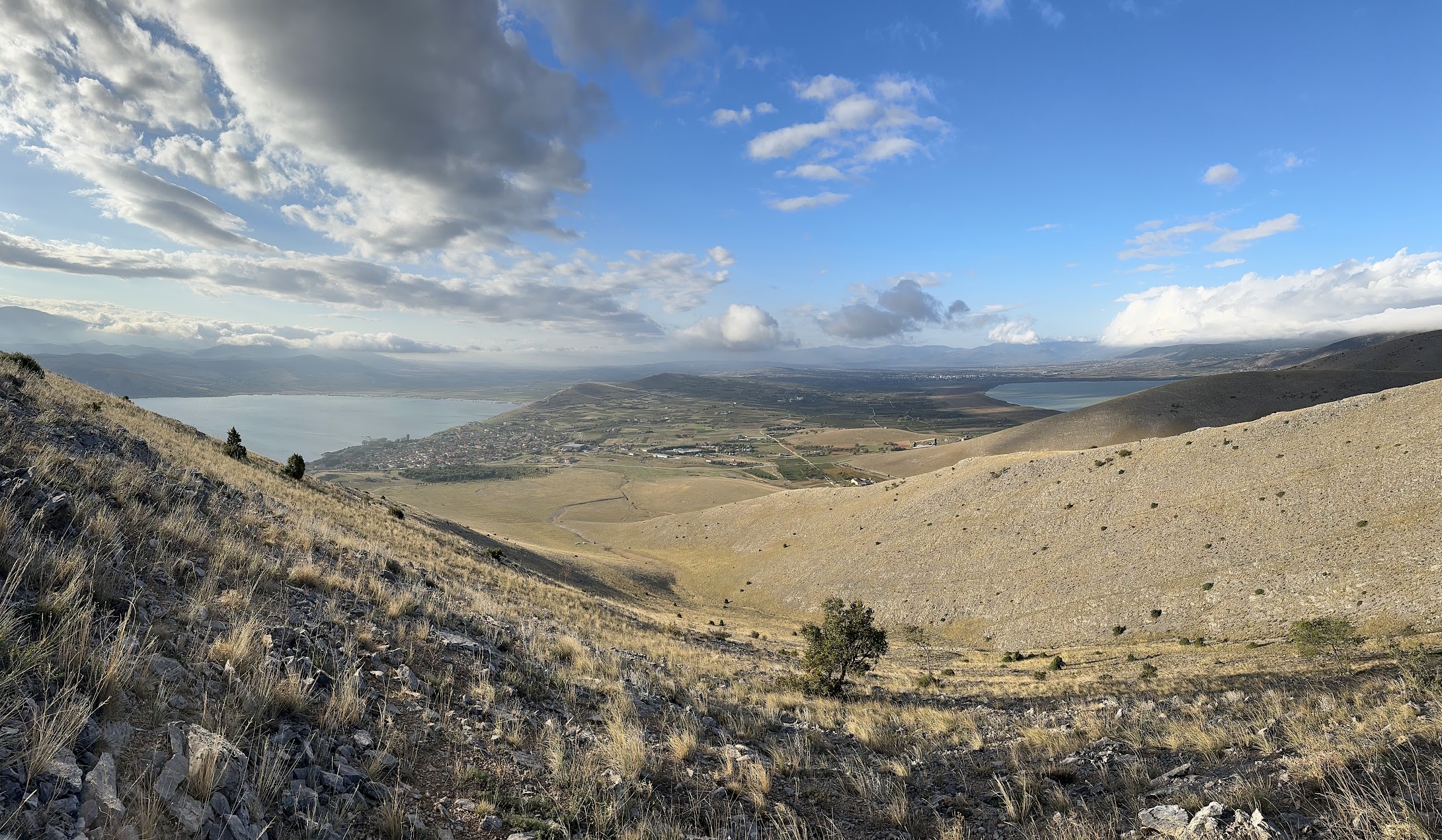
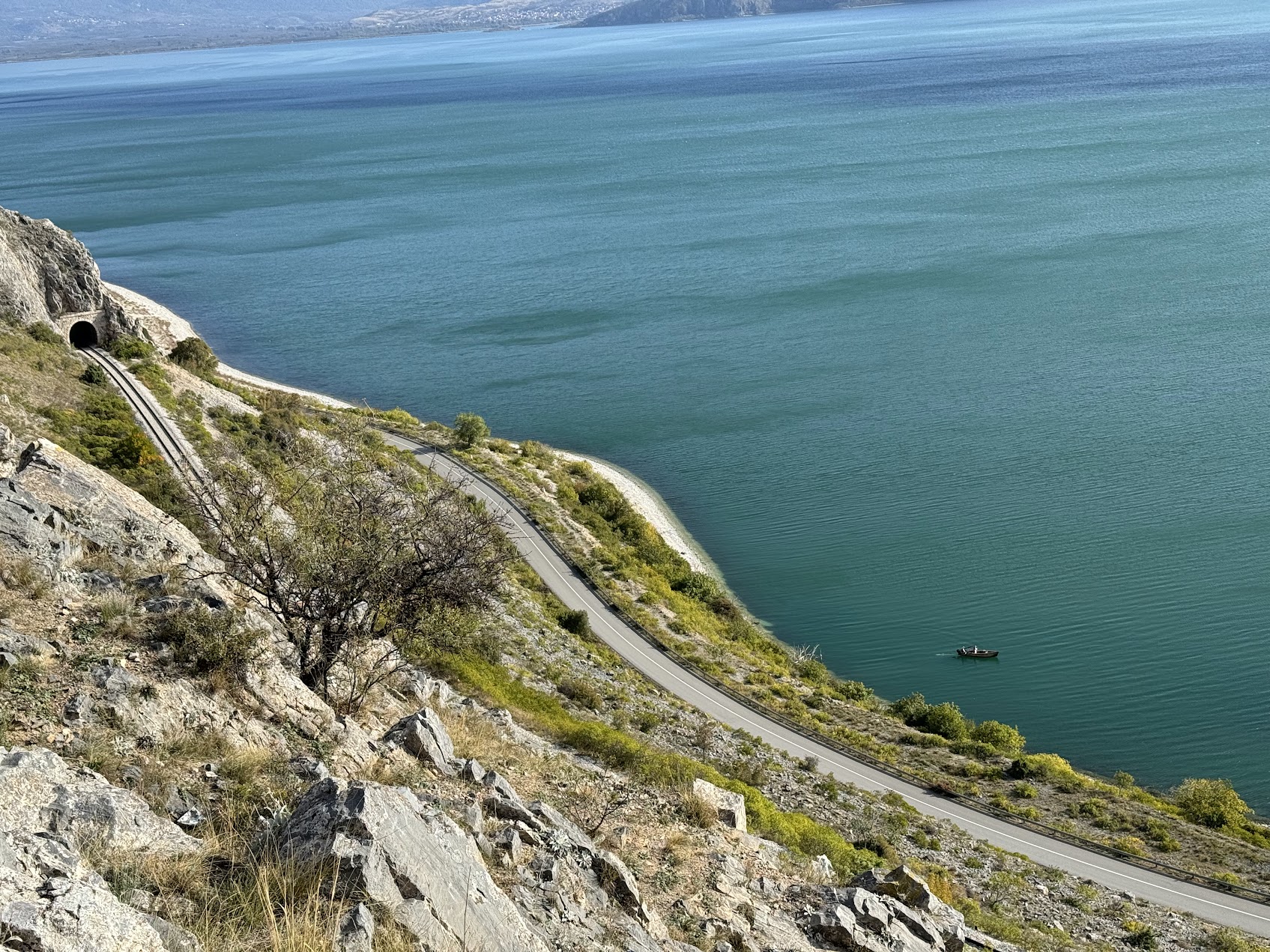
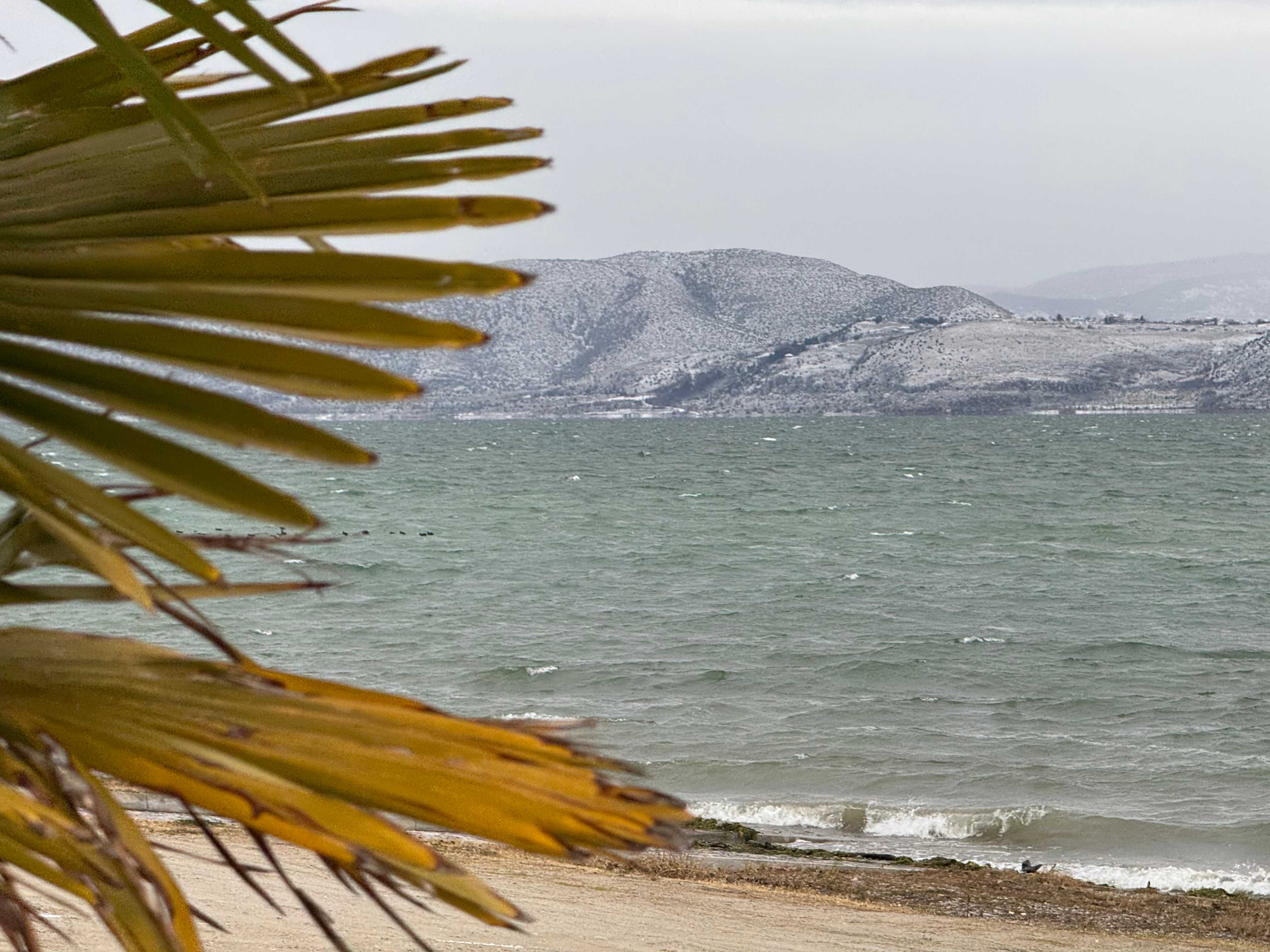
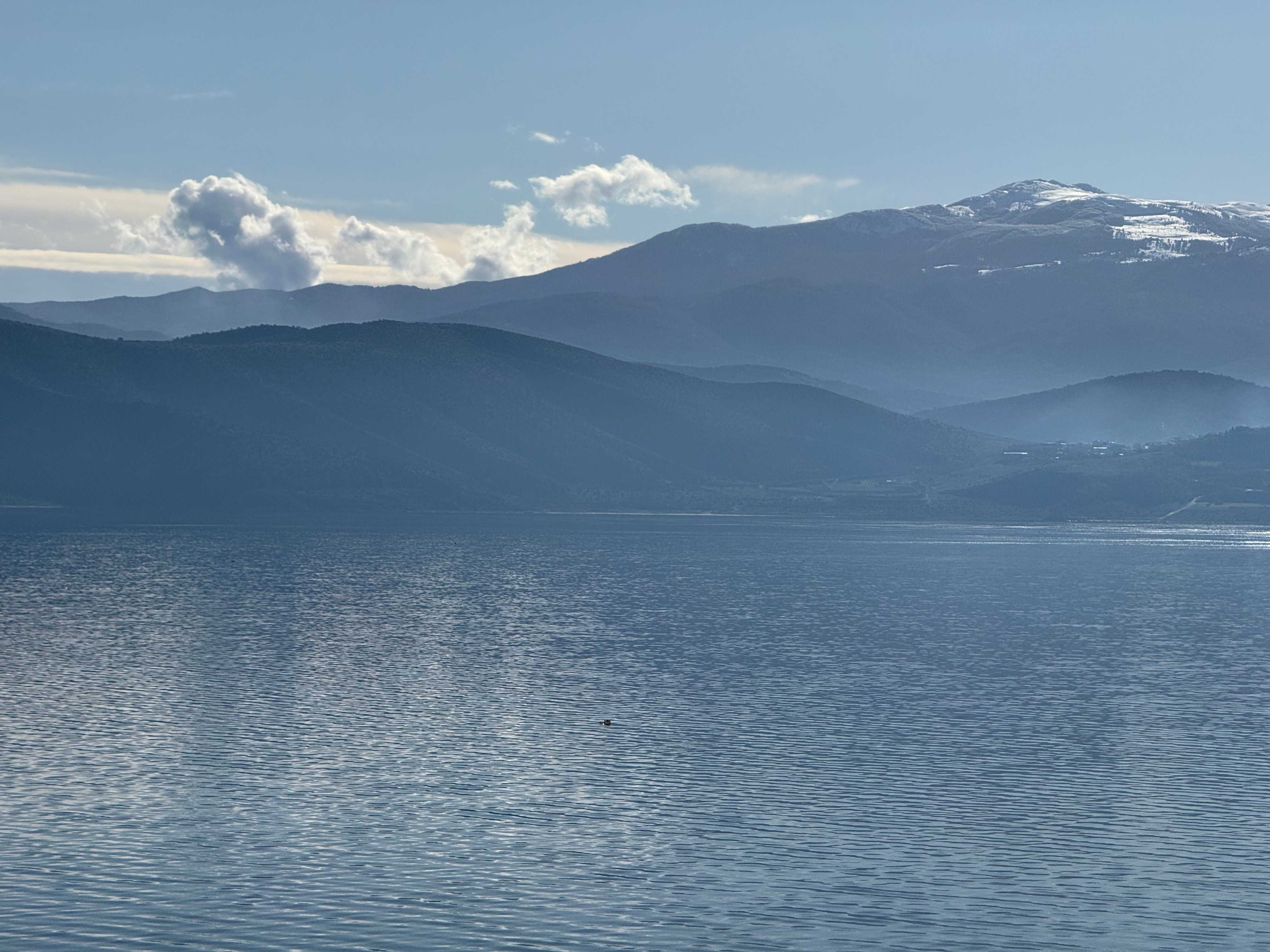
Lake Vegoritida
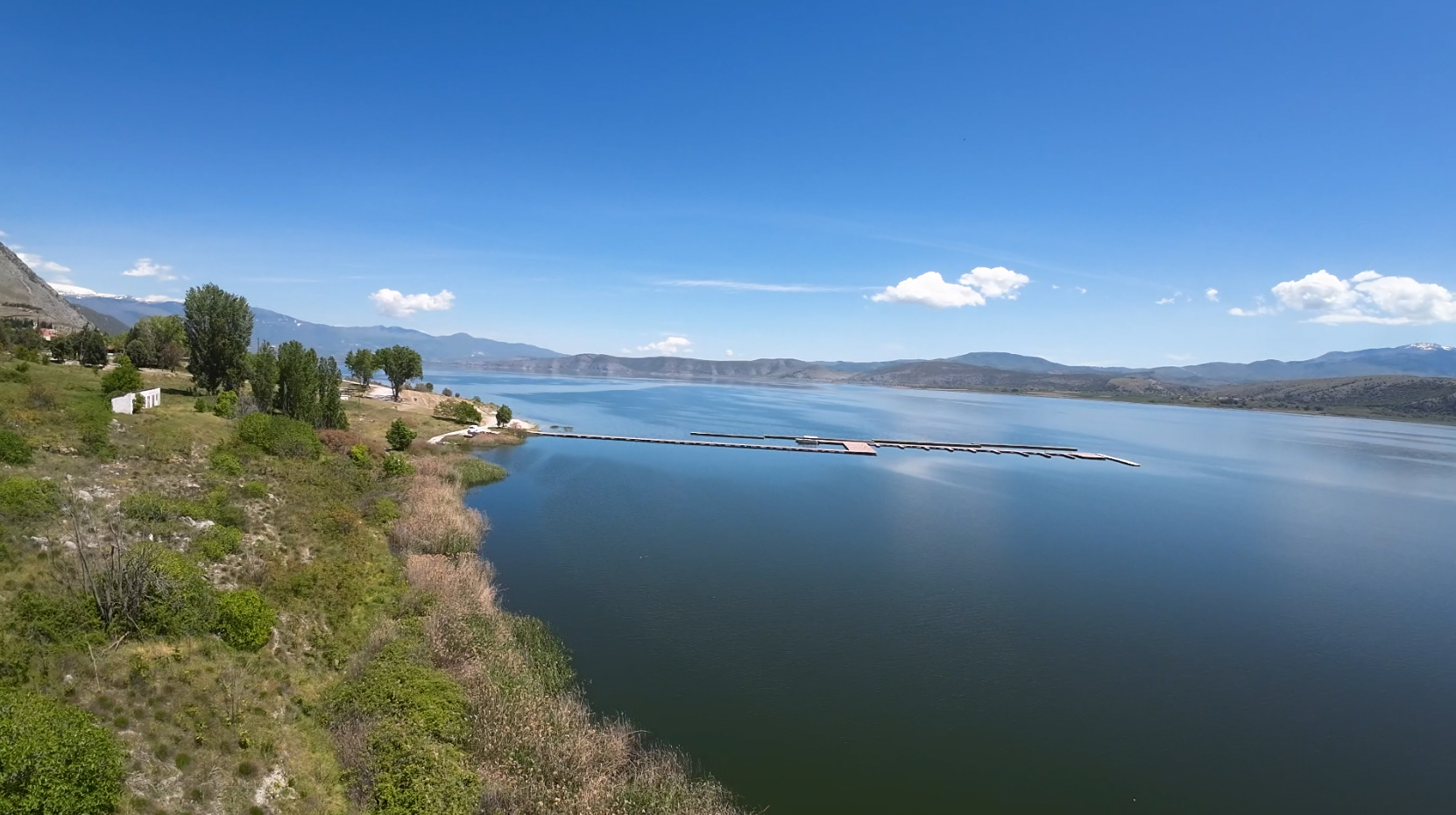
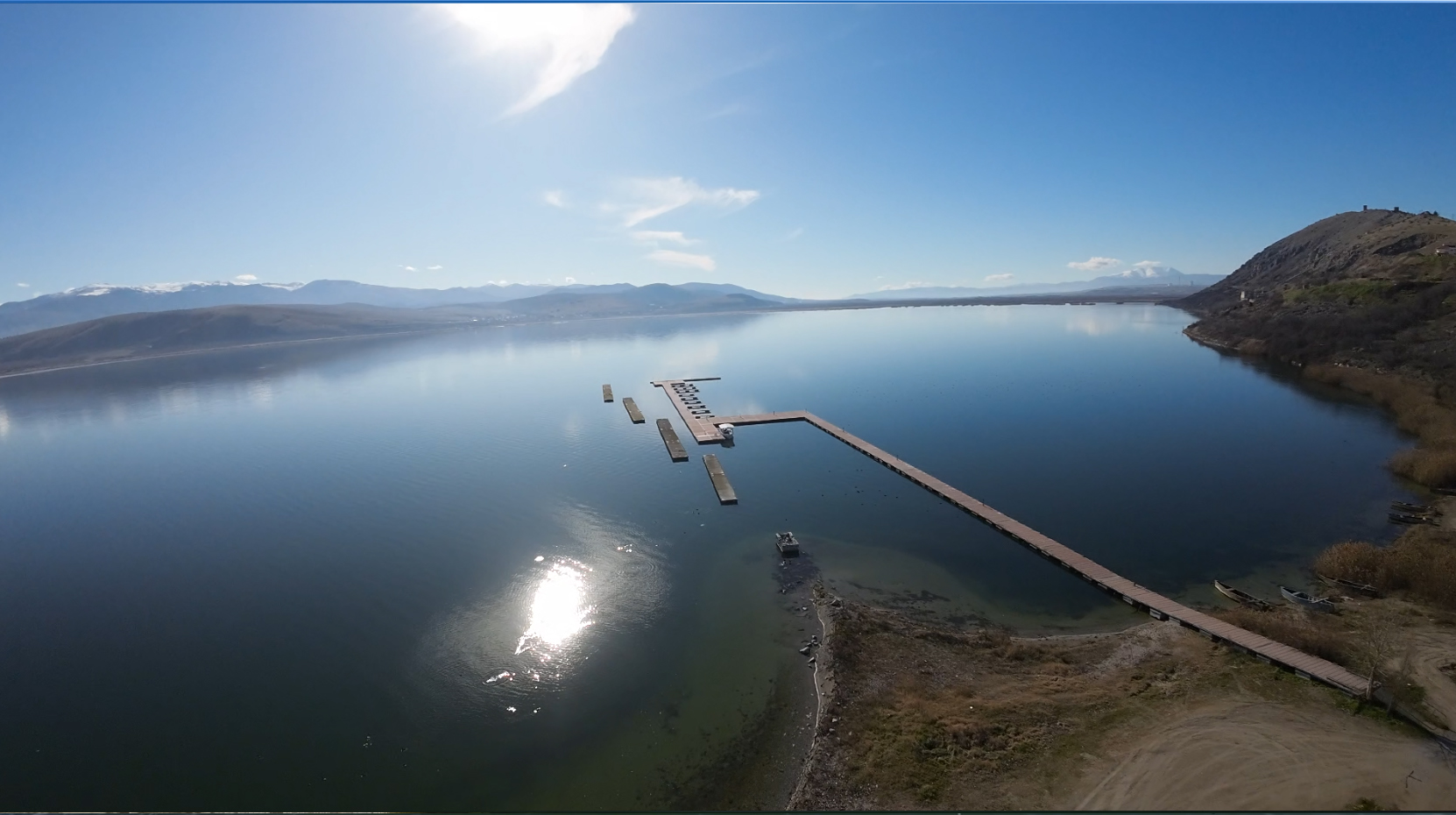
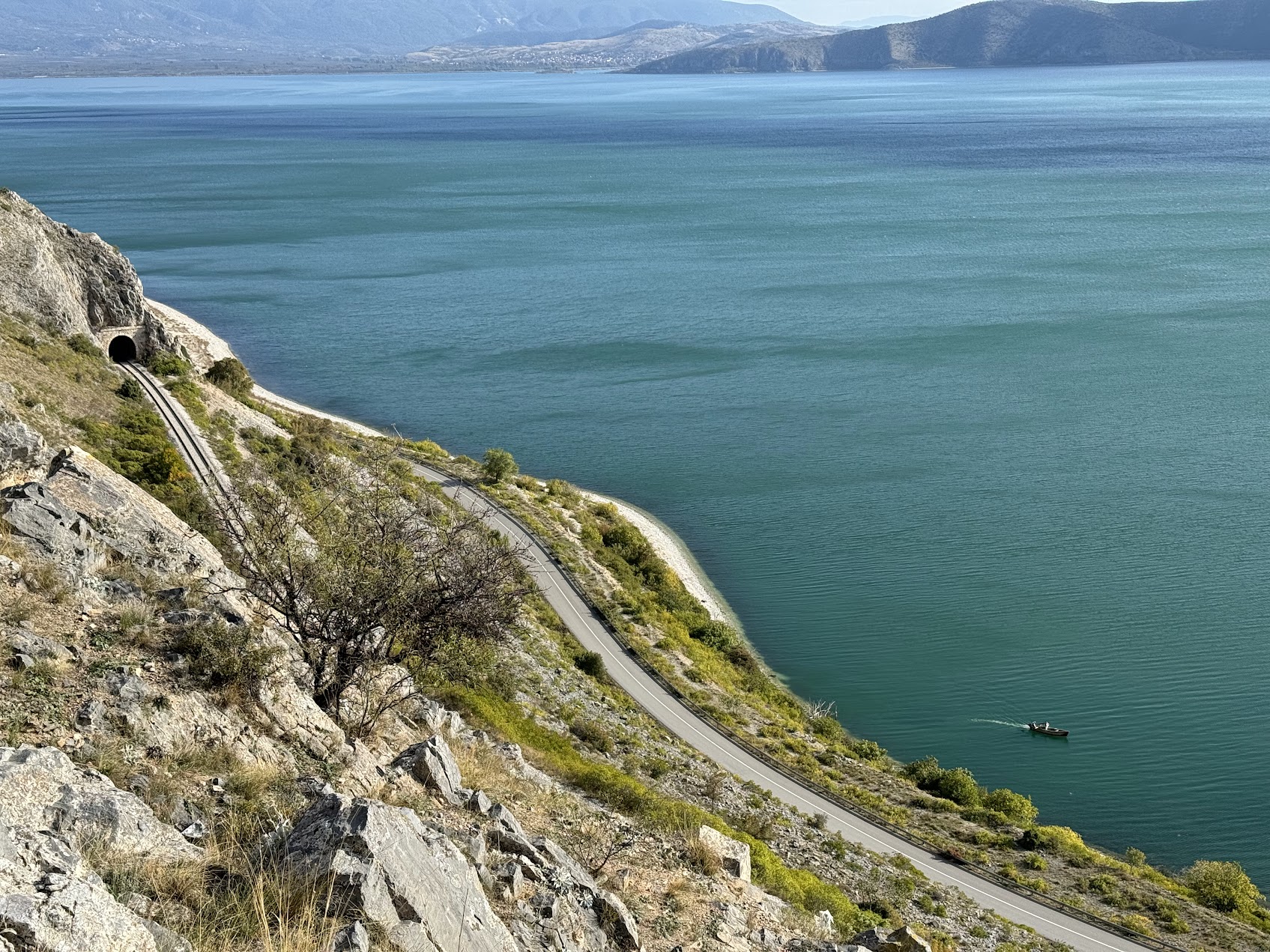
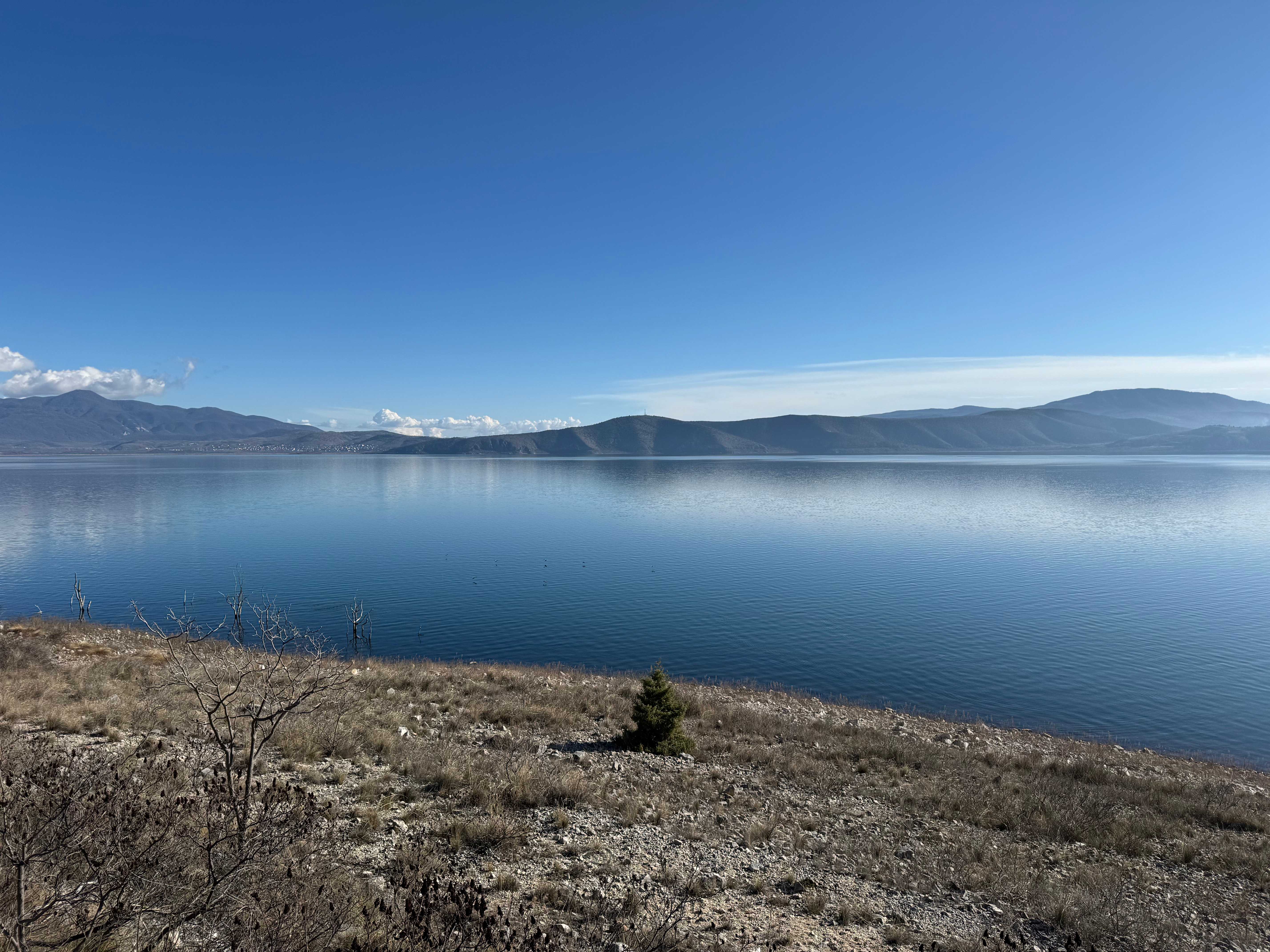
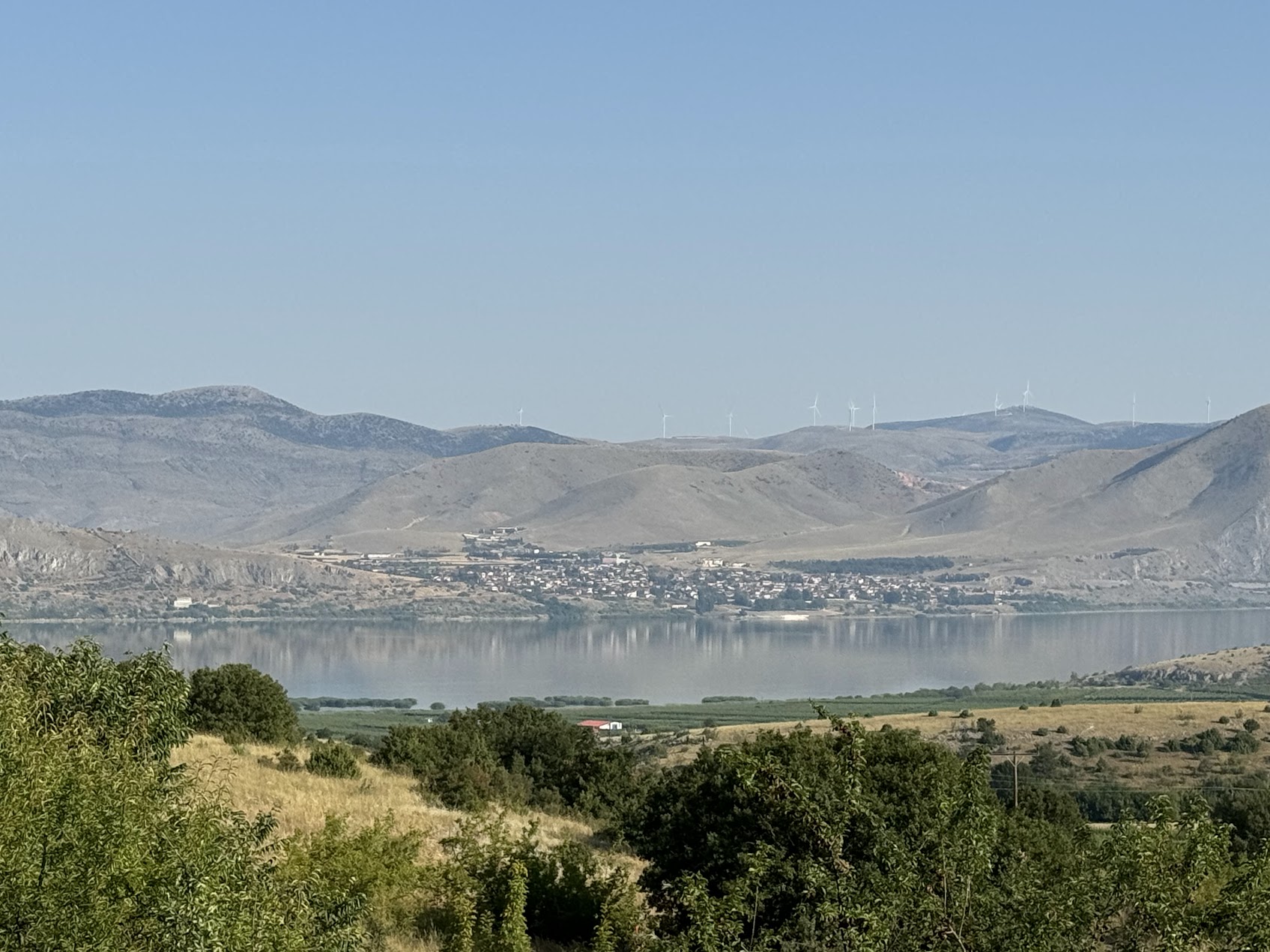
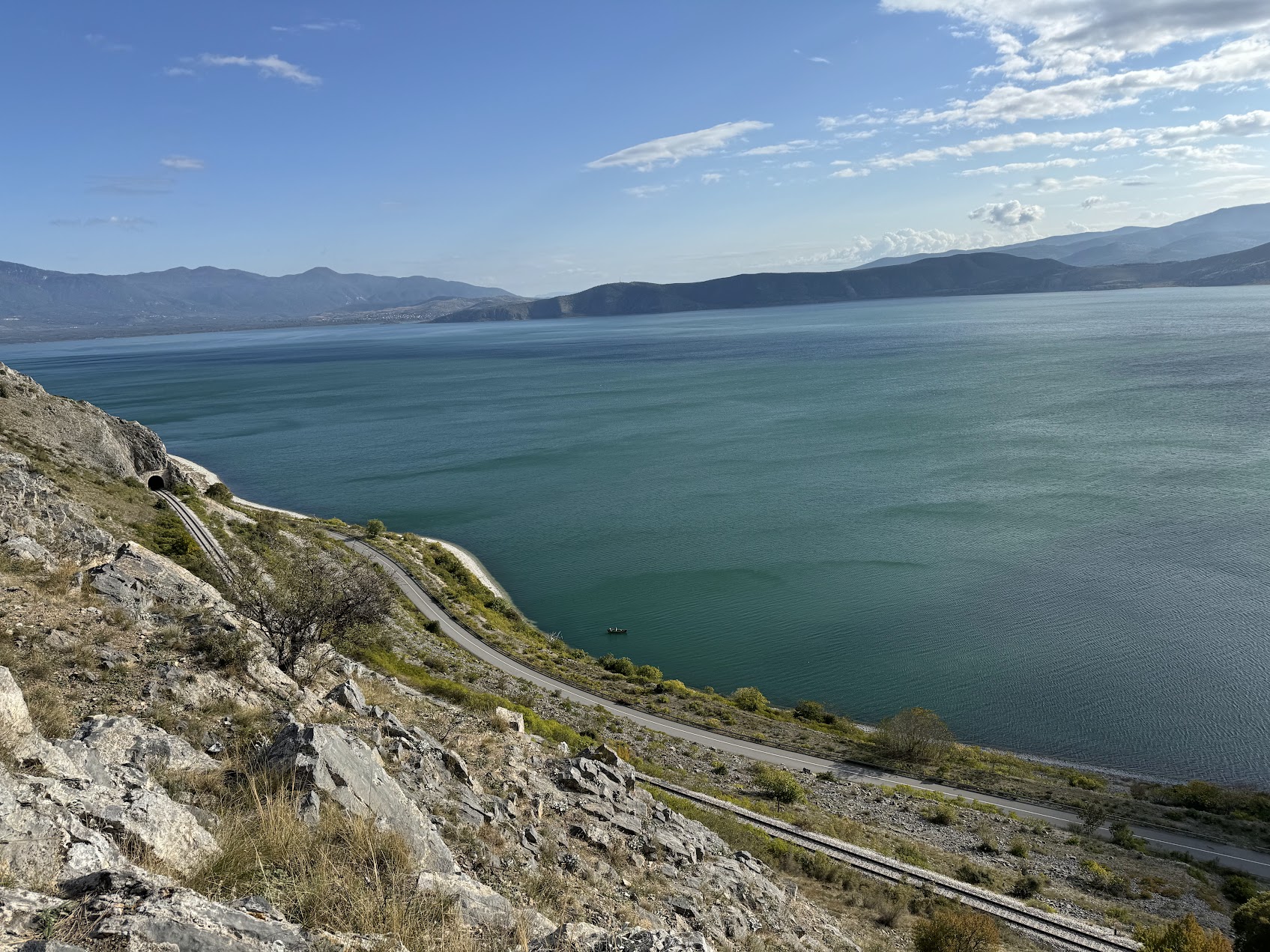
Vegoritis is one of the largest natural lakes in our country. During the 1960s, it covered an area of 68 square kilometers and was the deepest lake in the country, with a maximum depth of 70 meters. In 1955, with the opening of the Arnissa Tunnel, large quantities of water began to be diverted to the Public Power Corporation’s (PPC) hydroelectric plant in Agra, as well as for cooling the PPC’s power plants. Combined with the numerous private wells used for irrigation, the lake’s water level was reduced by half, and its depth decreased to 50 meters. Over the past two decades, however, the lake has been regaining some of its former size, as PPC has ceased drawing water from it. Vegoritis also faces significant pollution problems stemming from agriculture and sewage from settlements and is gradually changing from oligotrophic to mesotrophic-eutrophic.
The Natura 2000 site GR1340004 includes Lakes Petron and Vegoritis, located in Western Macedonia on the border between the Prefectures of Pella and Florina. The two lakes are part of an interconnected water system on the Amyntaio Plateau, along with two other lakes, Zazari and Cheimaditis. These four lakes are considered remains of the ancient Great Lake of Eordaia, which covered an area of 1,000 square kilometers and reached a depth of 250 meters.
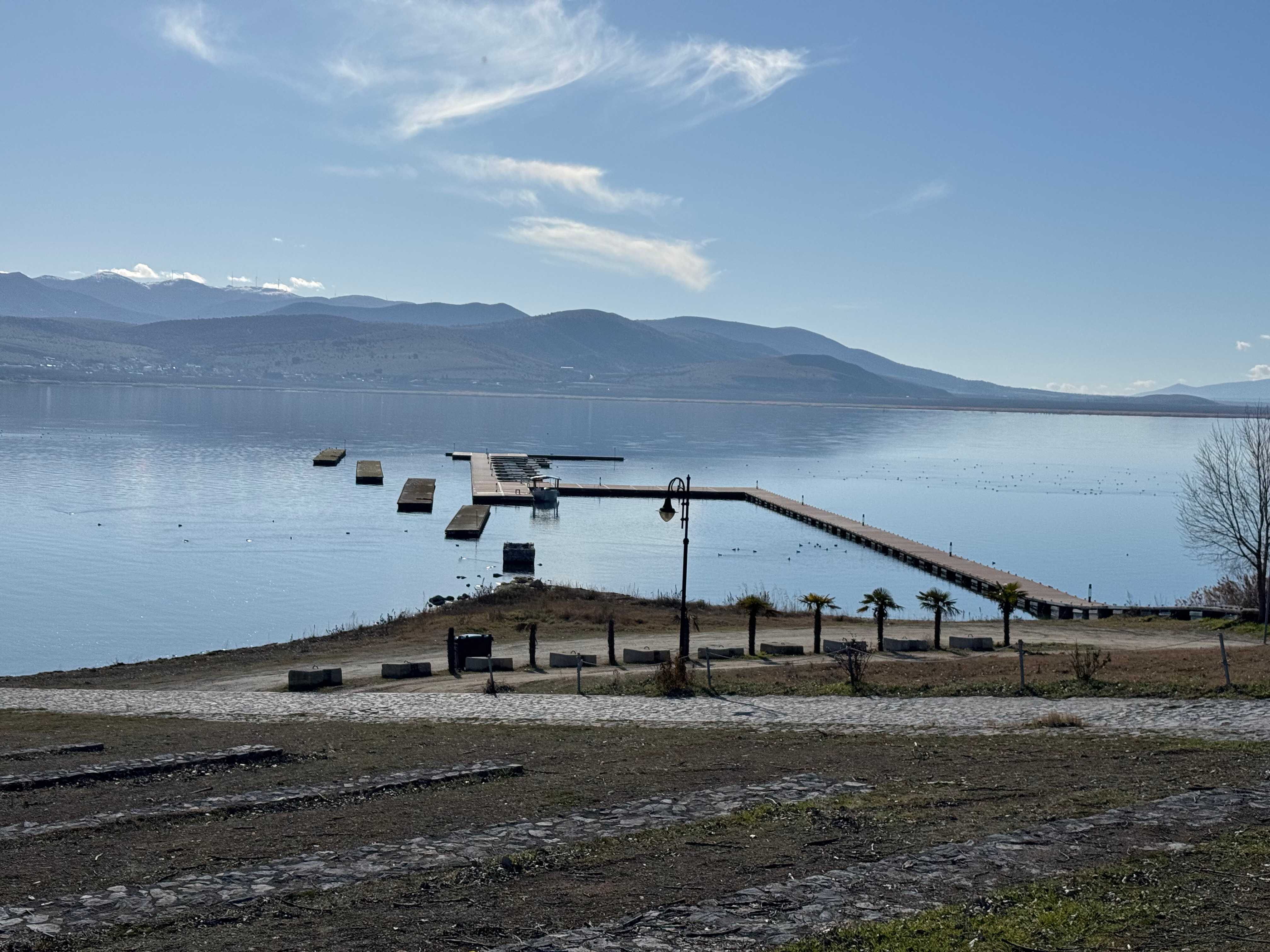
Together with the other lakes in the region, it formed an important productive area around which settlements developed from early antiquity onward. This is evidenced by chance, surface finds, although no systematic archaeological research has been conducted to date. Beyond its strictly productive significance, it was and continues to be a place of exceptional natural beauty that attracts a significant number of visitors, thereby acquiring a new, secondary economic significance.
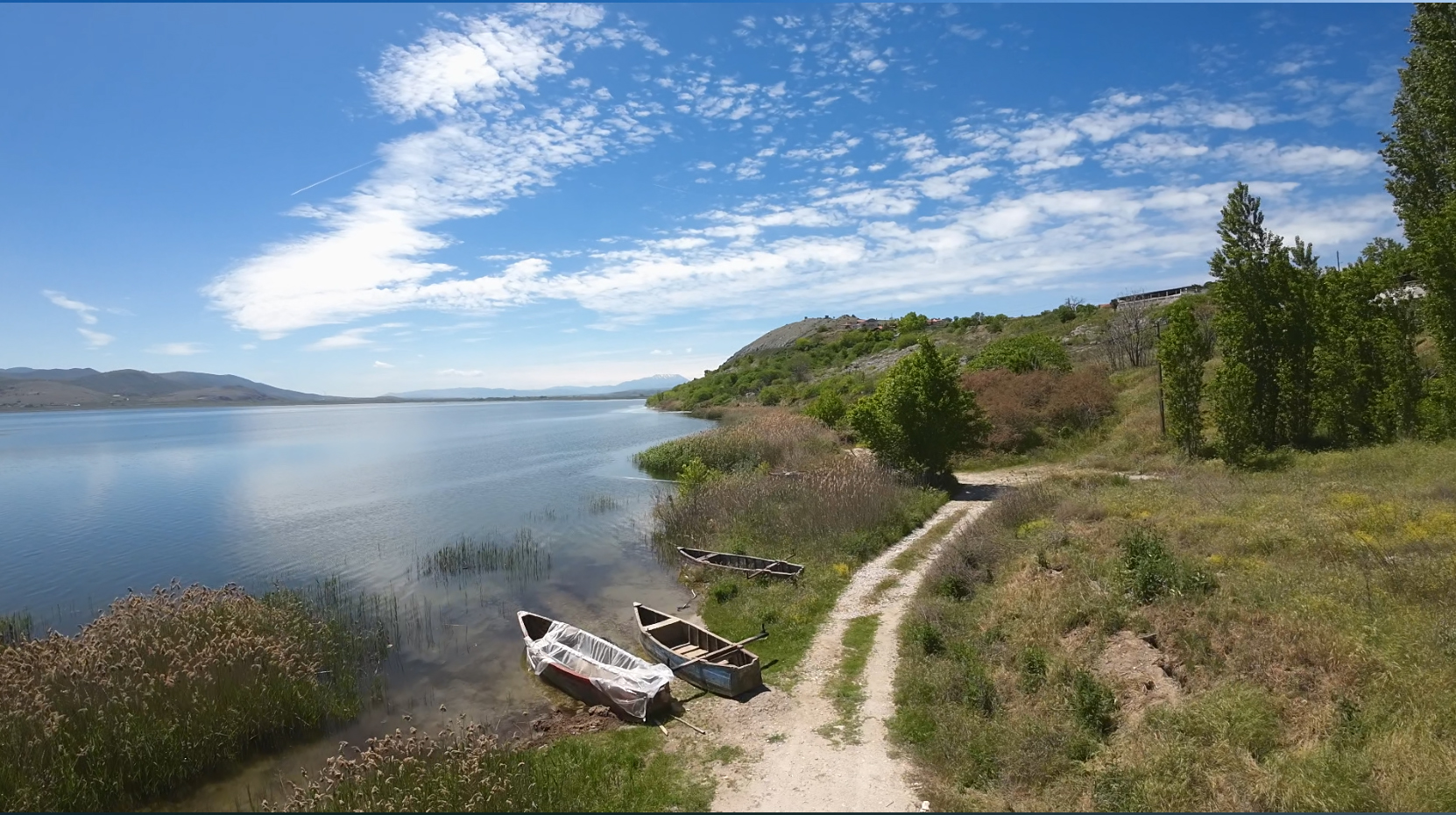
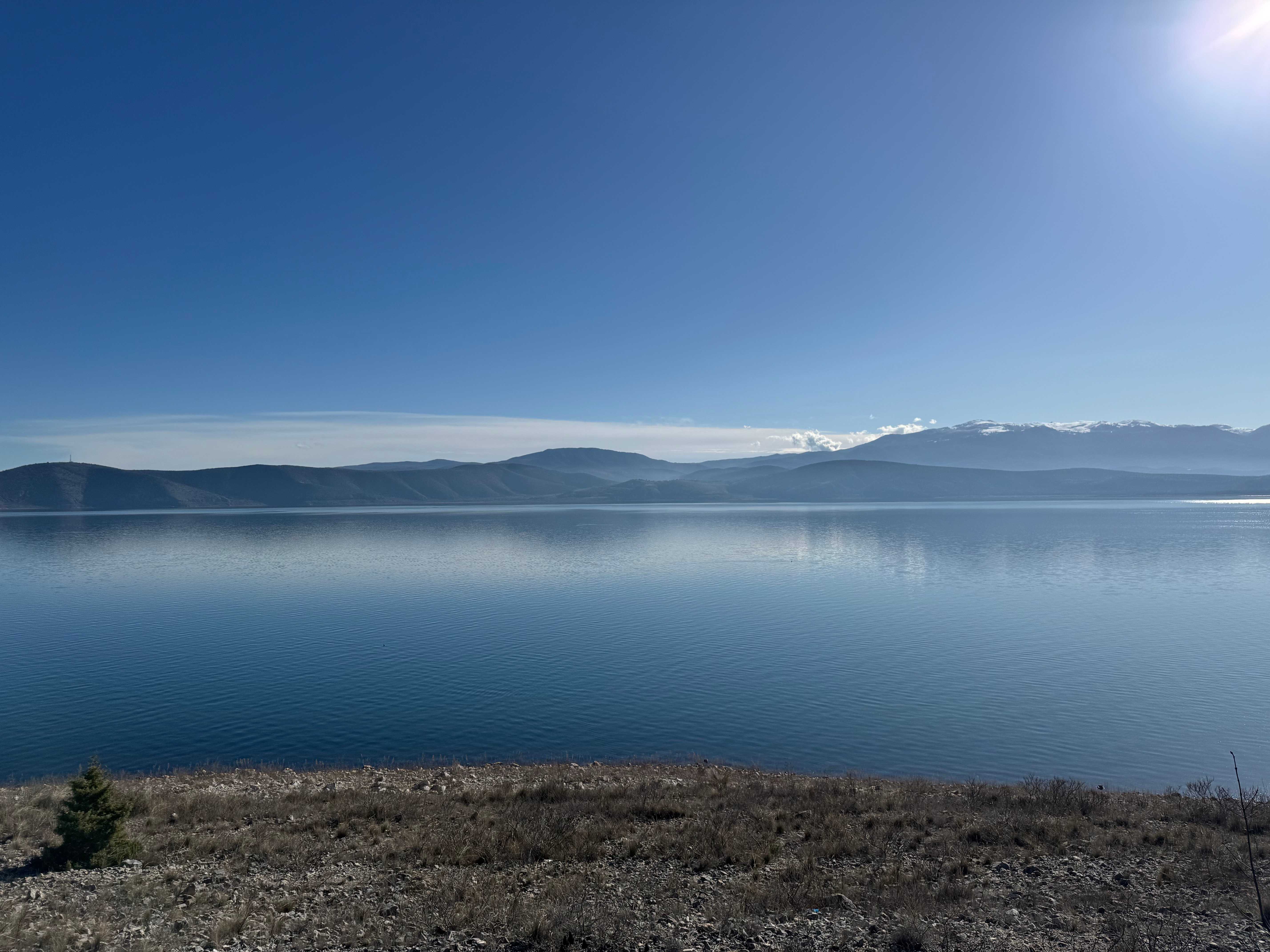
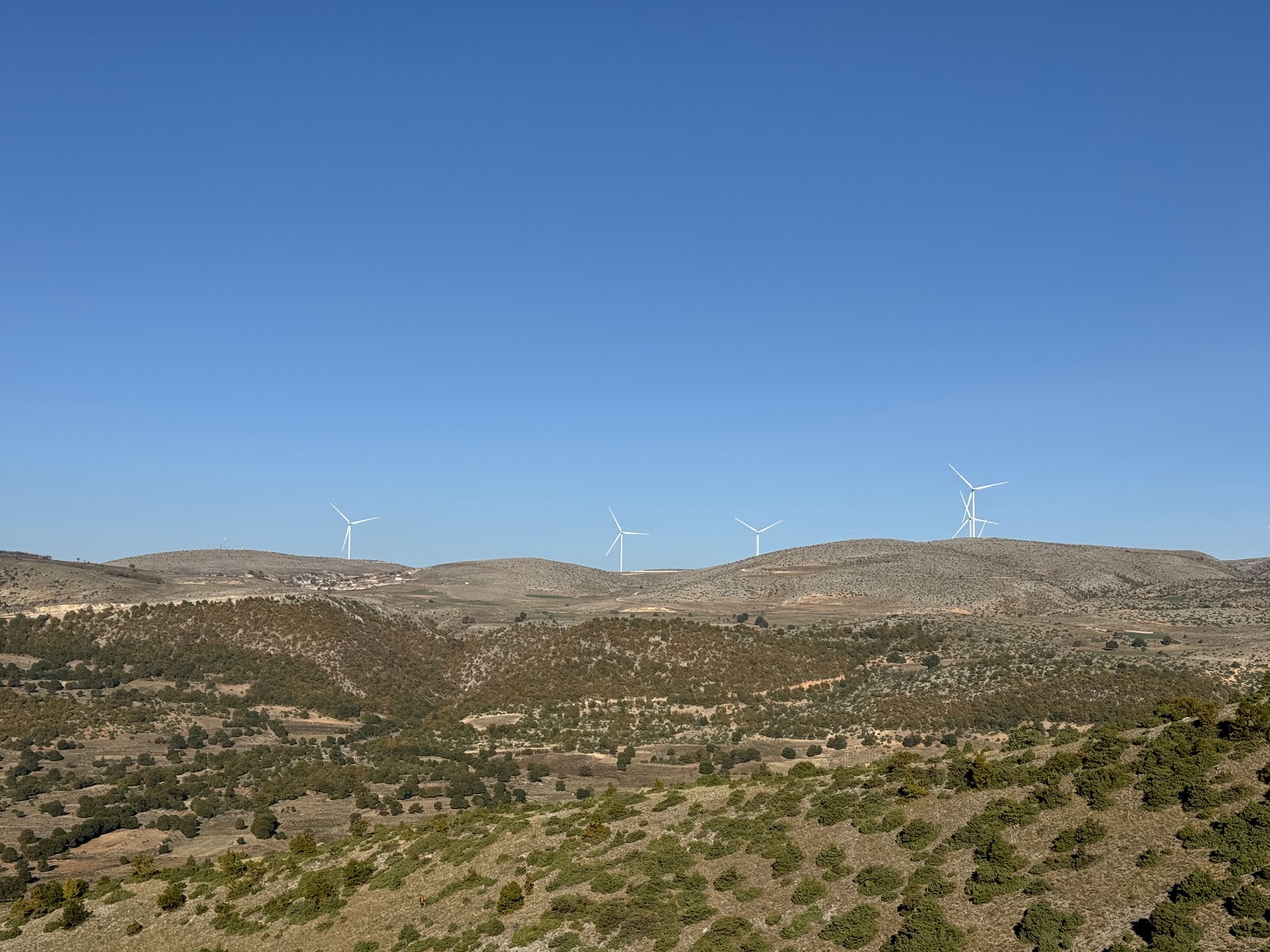
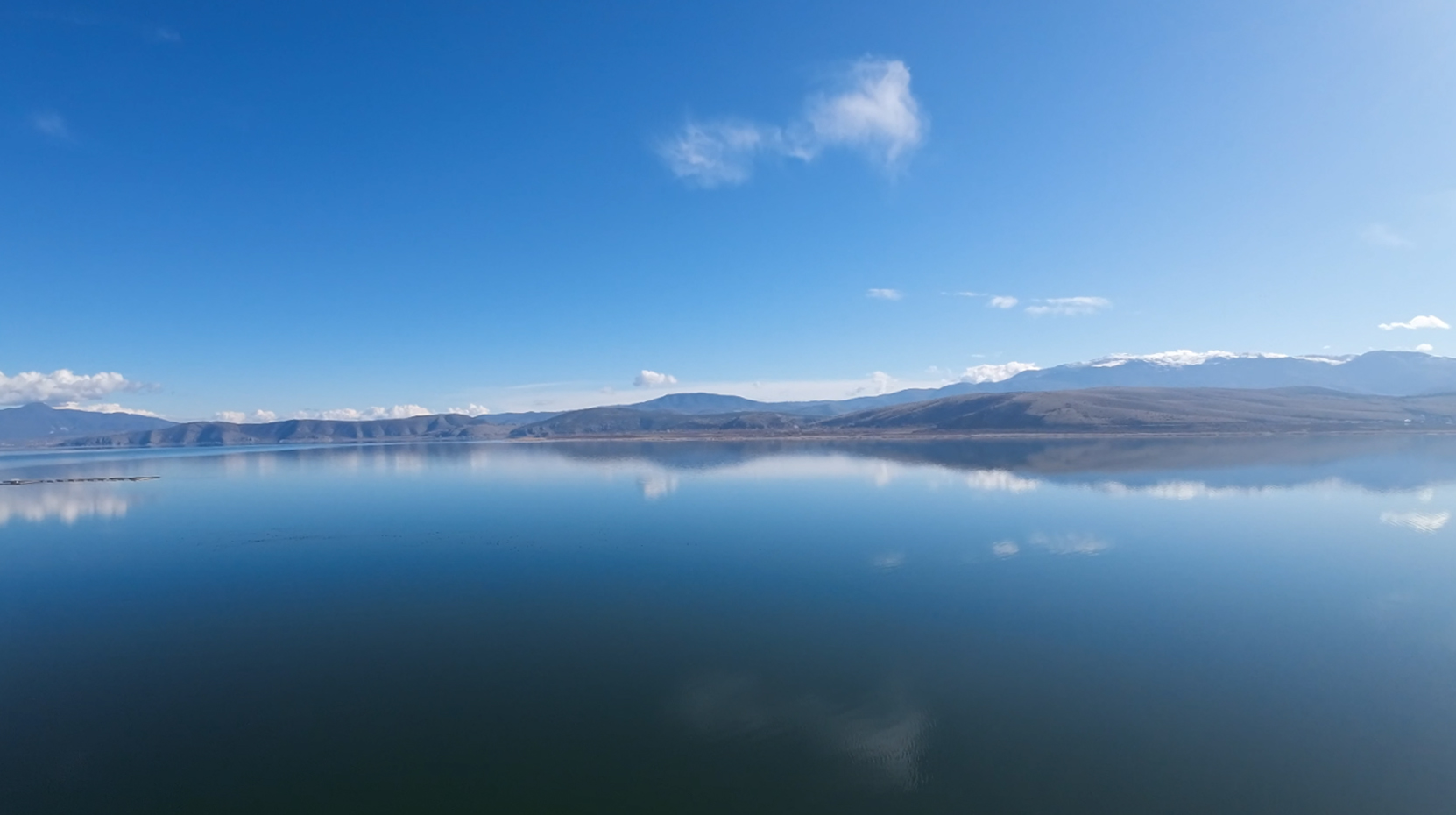
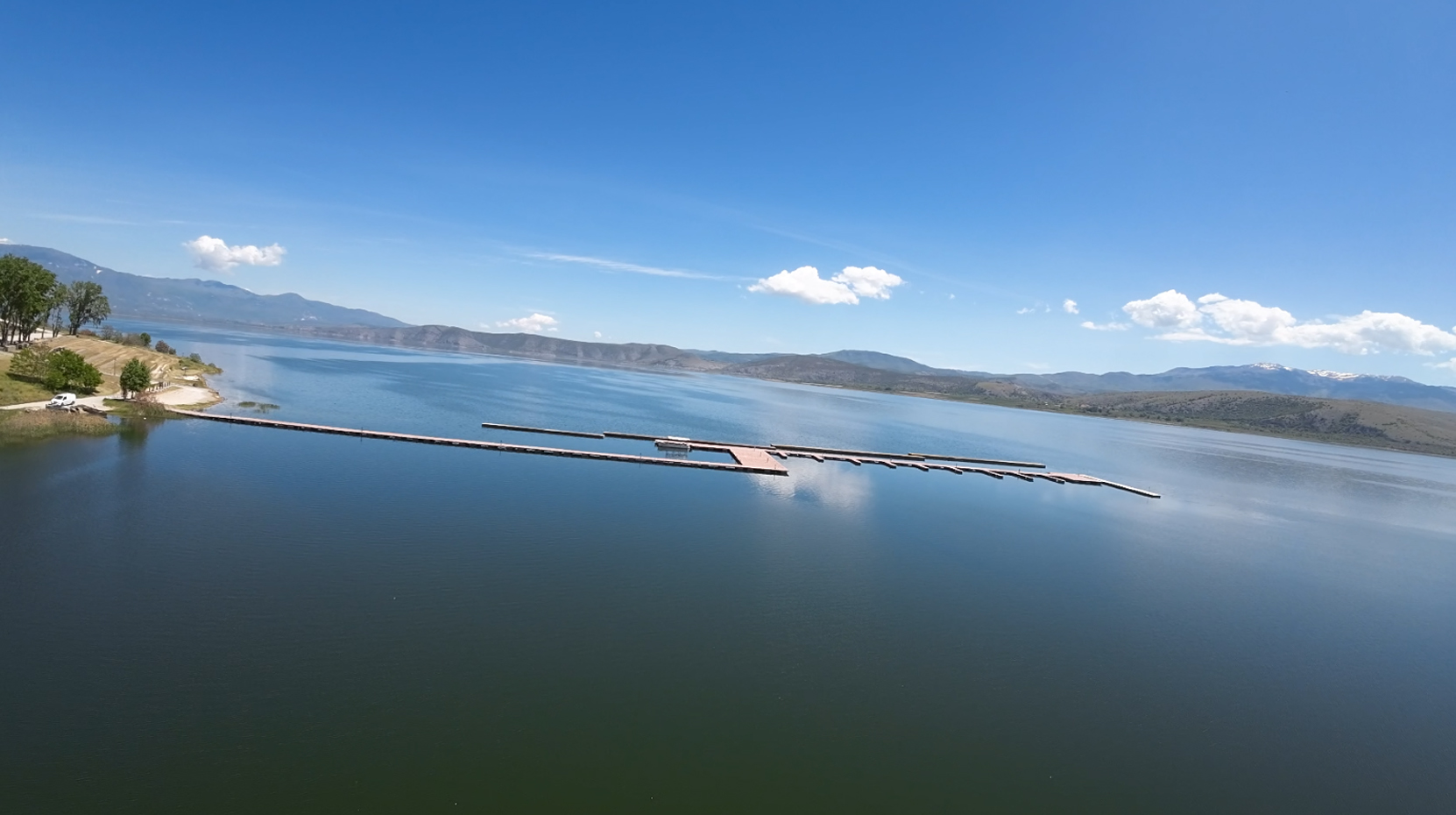
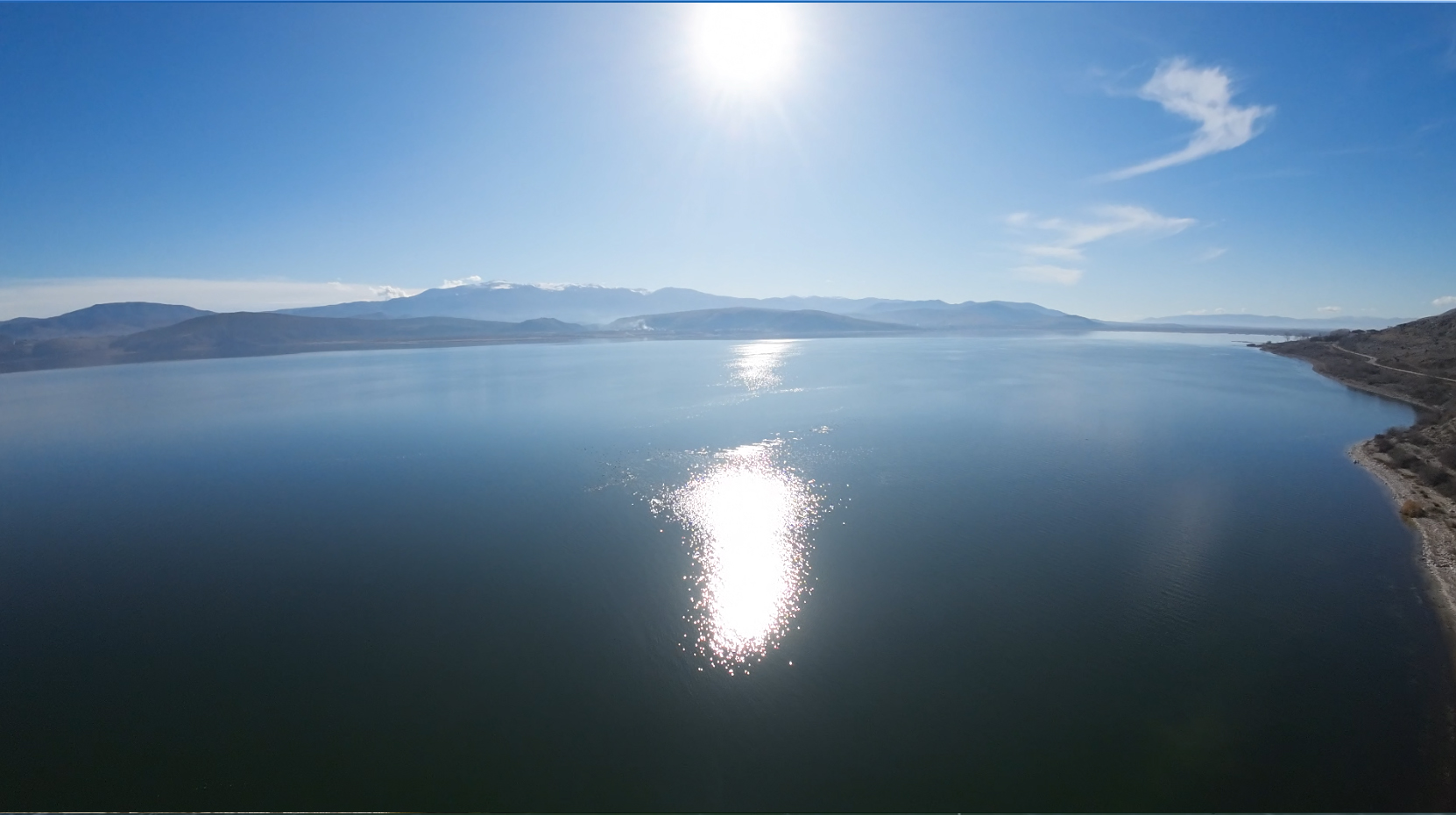
One of the largest natural lakes in our country, Lake Vegoritis, although it has undergone significant alterations due to human activities, remains one of the most important bird sanctuaries in Northern Greece. Vegoritis is also known as Lake Ostrovou, while its other three names are Lake Arnissa, Lake Kelli, and Lake Agios Panteleimon. However, its name most likely derives from a corruption of the ancient name Vokkeria, a city mentioned in ancient written sources and possibly identified with archaeological remains found in the present-day area of Farangi. The lake is located on the border of the Prefectures of Pella, Florina, and Kozani and is surrounded by Mount Voras to the north, Mount Vermio to the east, and Mount Verno to the west, while Lake Petron lies just 3 km to its east.
The hills surrounding the lake are covered with forests of Macedonian oak and holm oak. Also found there are cedars, ash trees, water-crowfoot, water-milfoil, and golden-stemmed water-milfoil, while willows and alders appear near the streams around the lake. Of particular interest is the aquatic vegetation, which includes important species such as Vallisneria spiralis, Najas marina, Ceratophyllum demersum, Myriophyllum spicatum, Polygonum amphibium, Carex acuta, Typha angustifolia, Schoenoplextus pectinatus, Zannichelia palustris, Lemna trisulca, Potamogeton pectinatus, P. perfoliatus, Chara hispida, Utricularia vulgaris, and others. In various spots along the southern and southeastern shores of the lake, dense stands of Phragmites australis grow, while in the southwest, Lake Vegoritis flows into wet meadows—ecosystems of great importance to the lake’s birds and fish. On the bare limestone hills, one can find species such as the wild garlic Allium guttatum sardoum, the wild carnation Dianthus deltoides, Sedum cepaea, Silene fabarioides, Centaurea grisebachii, Crocus cancellatus, and the orchid Ophrys mammosa.
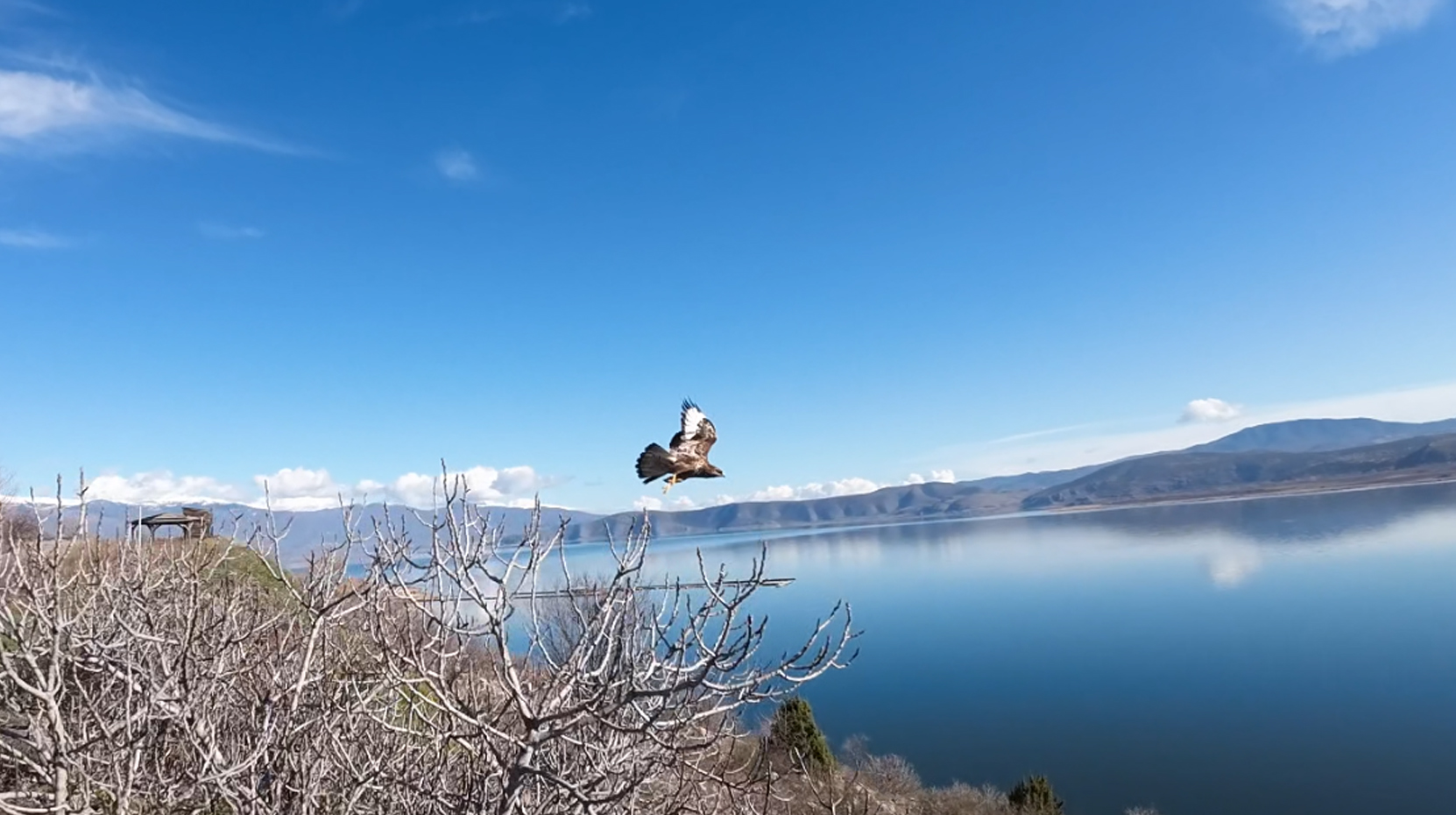
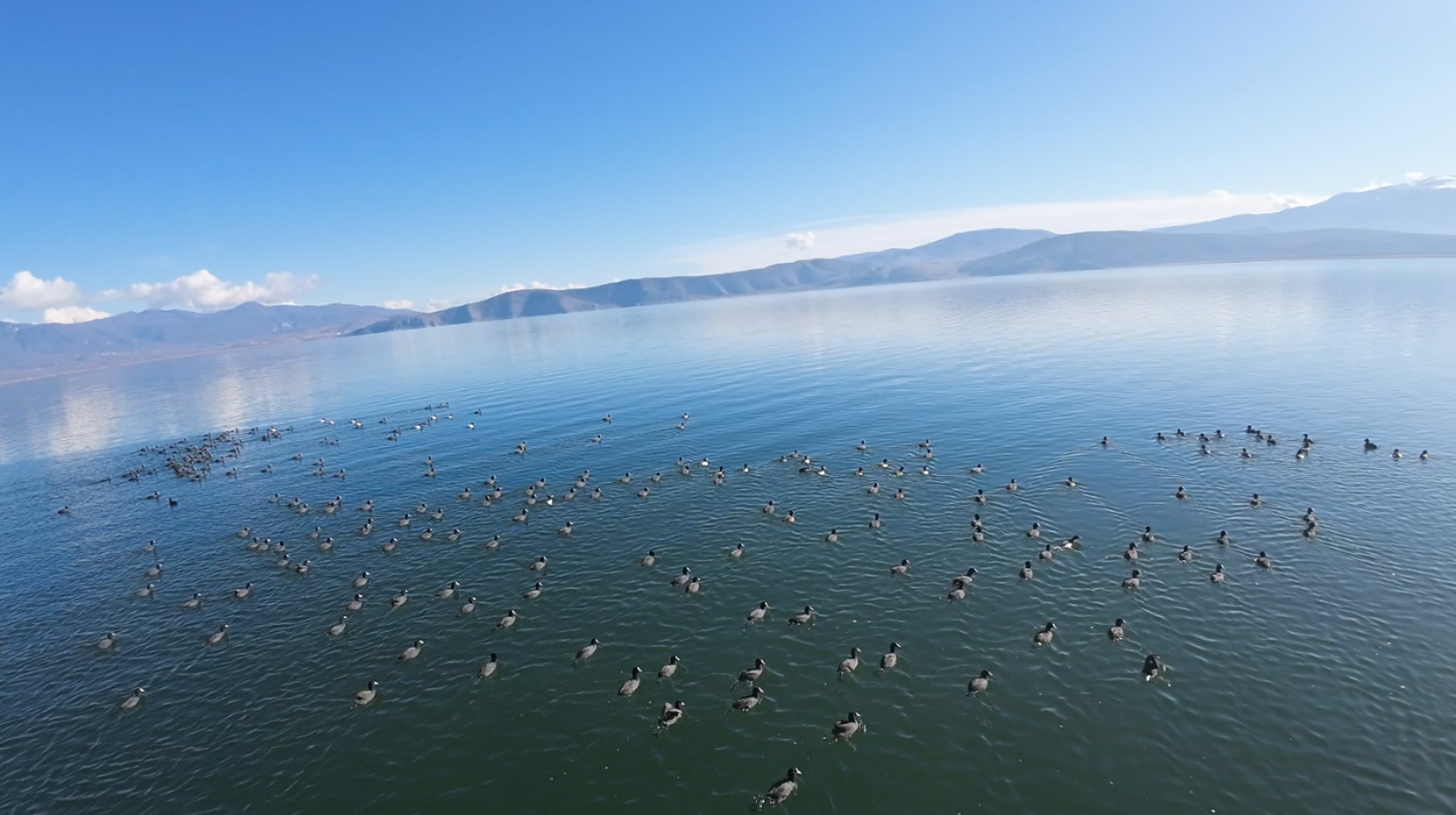
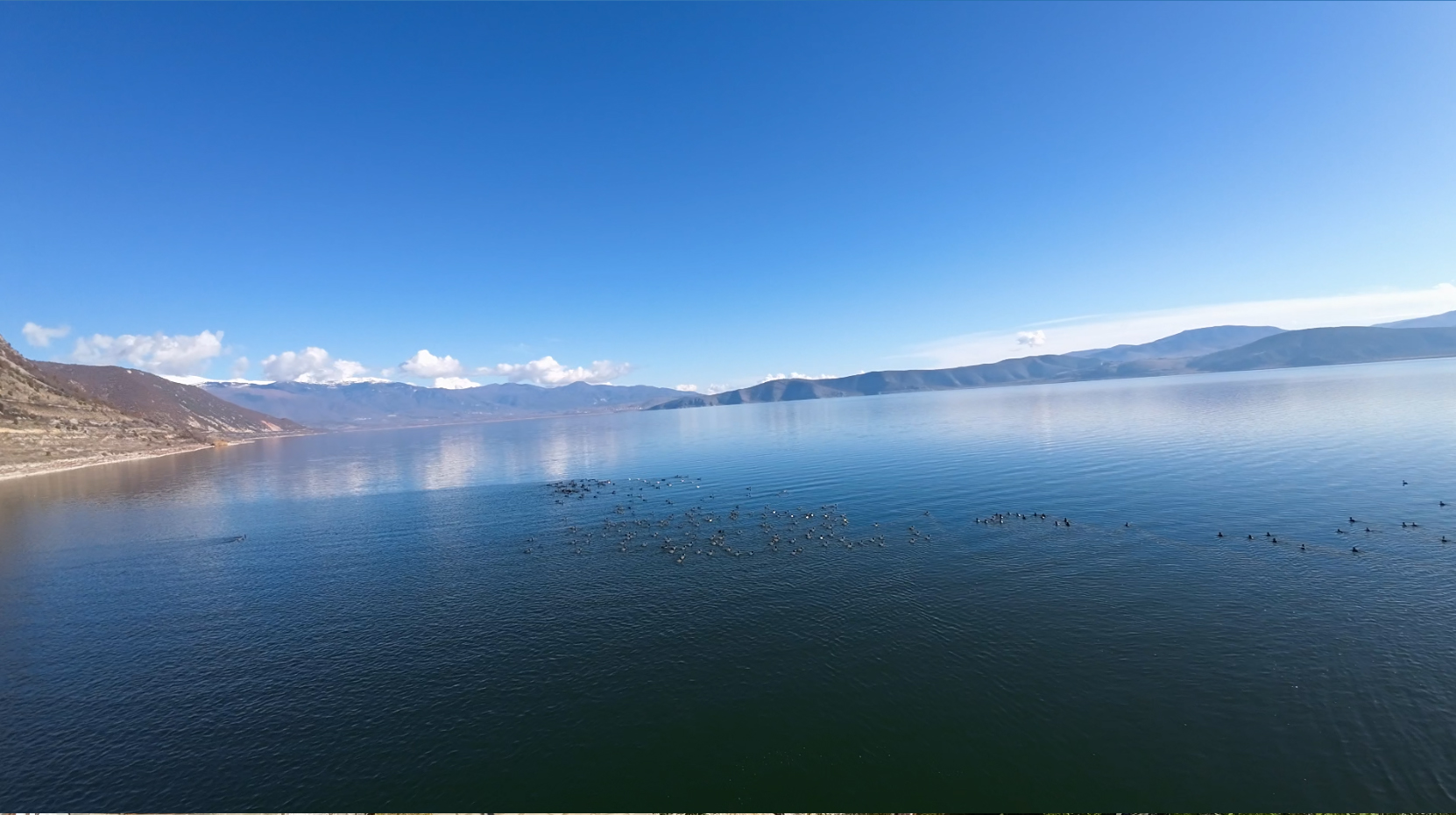
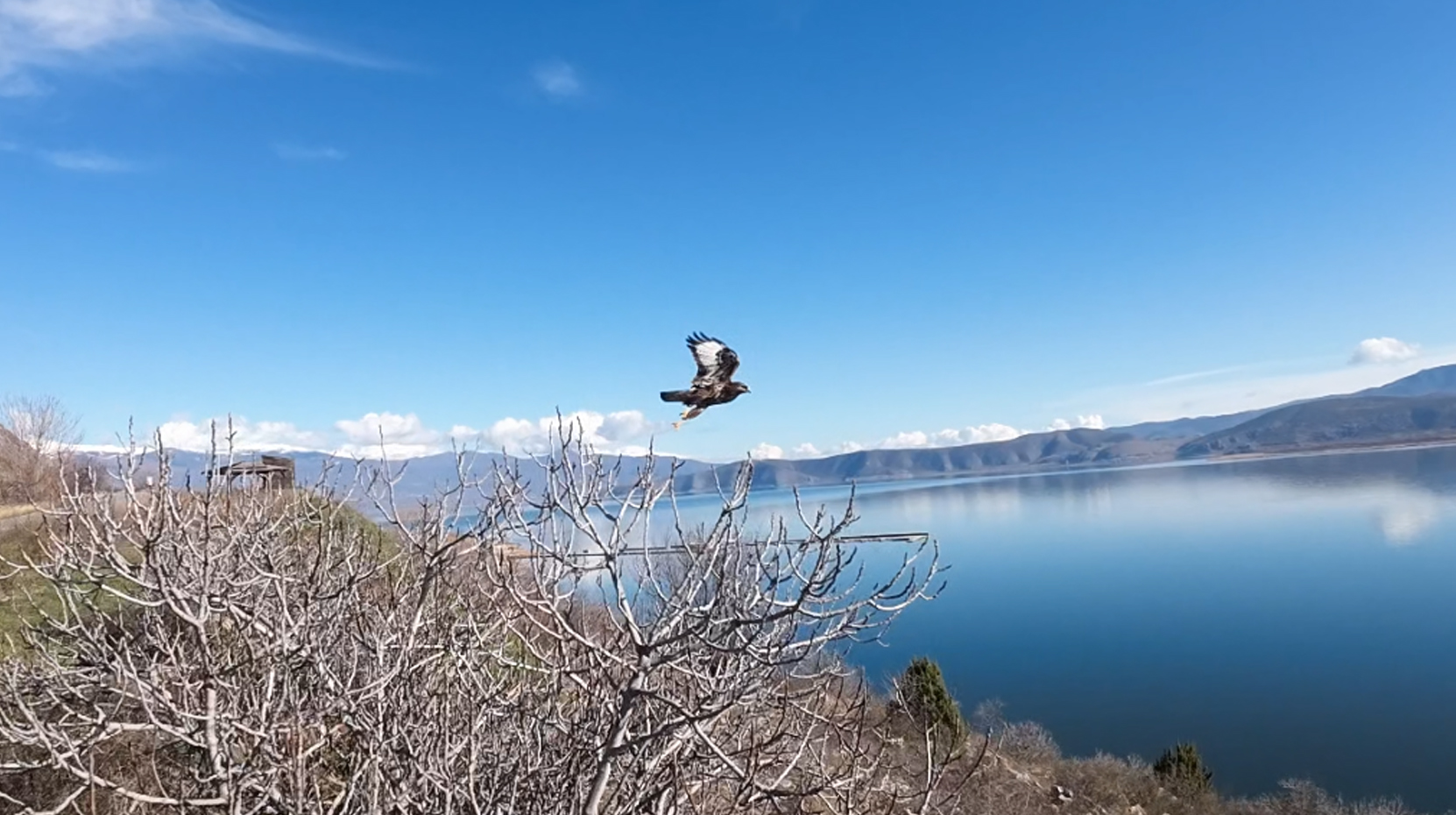
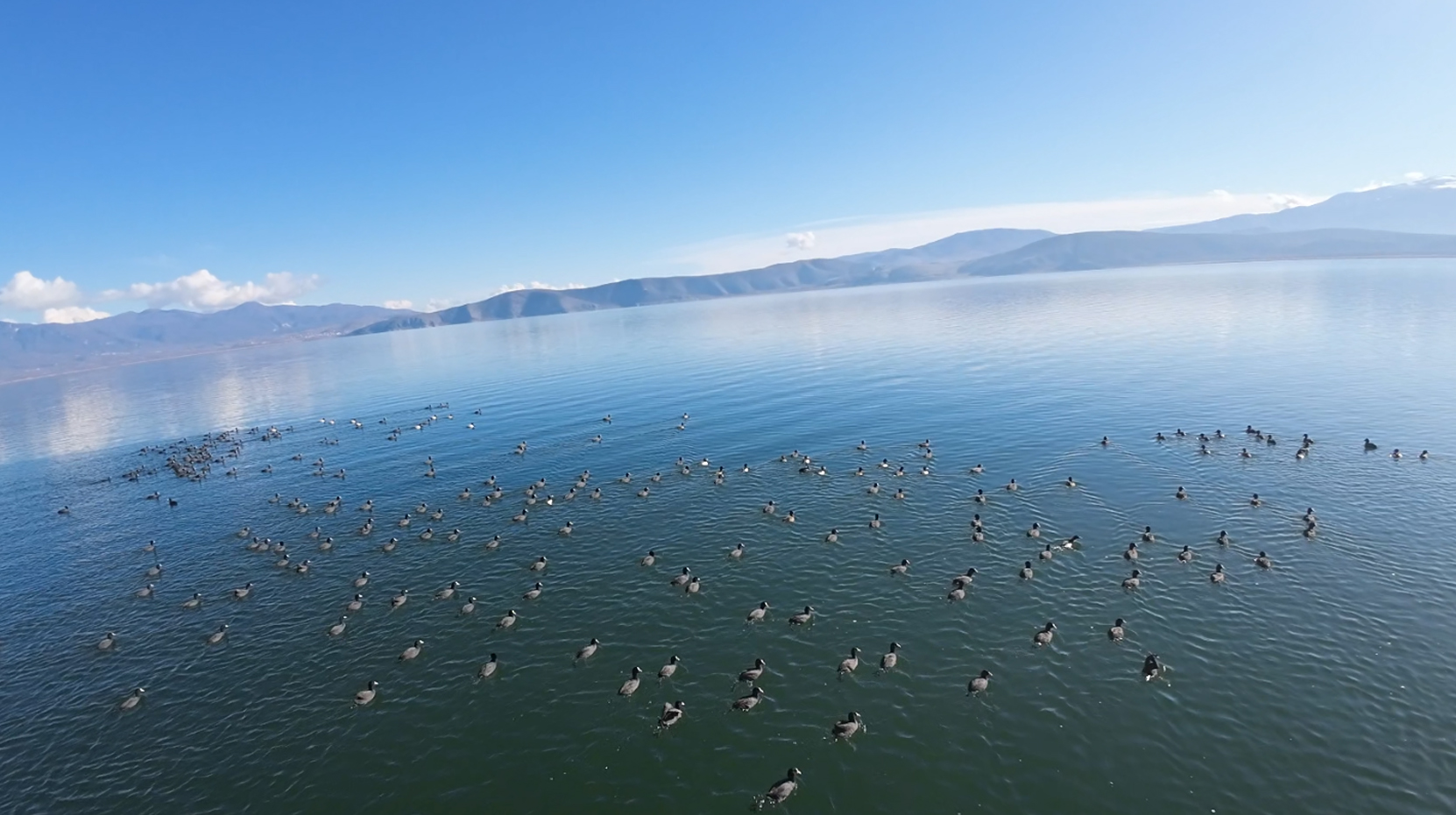
Vegoritida is an important habitat for many bird species and, together with Lake Petron, forms an almost unified ecosystem. A total of 162 bird species have been recorded in the area, 87 of which nest there. It is noteworthy that the endangered golden eagle nests on the low cliffs surrounding the lake. The lake is home to several rare species, such as Dalmatian pelicans, pink-backed pelicans, black-winged stilts, and marsh harriers. Herons (great white egrets, little egrets, night herons, and gray herons) breed in the reed beds and trees, while very large numbers of little grebes can be found here. Among the birds of prey found here are golden eagles, sea eagles, short-toed eagles, sparrowhawks, marsh harriers, Montagu’s harriers, winter harriers, kestrels, hobby, pygmy falcons, and others. Among geese and other ducks, one can find bar-headed geese, greylag geese, white-fronted geese, tufted ducks, gadwalls, wigeons, shovelers, teals, ferentinias, black-headed ducks, and green-headed ducks. Other species that round out the avifauna include: white storks, coots, swans, black-headed gulls, kingfishers, purple herons, little egrets, shoveler, ruff, little grebe, sickle-billed grebe, snipe, redshank, sandpiper, herring gull, black-headed gull, common tern, cuckoo, common sandpiper, and double-crested cormorant. It should also be noted that the size of Lake Vegoritis allows it to support thousands of birds, especially when the other lakes in the area freeze over.
The amphibians of the lake and the surrounding area include toads, Balkan frogs, tree frogs, agile frogs, Greek frogs, and yellow-bellied toads. Among the reptiles, one can find pond turtles, river turtles, green lizards, wall lizards, slow worms, lake snakes, water snakes, and vipers. Several otters live in the lake, while the rare European hares are found in the surrounding fields. The fauna is rounded out by the occasional presence of wolves and bears, as well as other mammals such as wild boars, badgers, weasels, foxes, martens, and hedgehogs. Of particular note is the presence of many rare Lepidoptera, such as Agrodiaetus admetus, Agrodiaetus ripartii, Leptidea duponcheli, Freyeria trochylus, Strymonidia pruni, and Pieris ergane. In the lake, among other mollusks, two rare, endemic gastropods have been recorded: Marstoniopsis graeca and Graecoanatolica vegorriticola.
Twenty species of fish have been recorded in Lake Vegoritis, including the common carp (Cyprinus caprio), the European catfish (Silurus glanis), the Balkan barbel (Barbus balcanicus), the butterfly carp (Carassius gibelio), the eel (Anguilla anguilla), the northern pike (Esox lucius), the Macedonian roach (Pachychilon macedonicum), the southern roach (Rhodeus meridionalis), the roach (Rutilus rutilus), the red-eyed roach (Scardinius erythrophthalmus), and the tench (Tinca tinca). The lavaret (Coregonus lavaretus) has been introduced into the lake. In recent years, the European perch (Perca fluviatilis) has been introduced and has thrived in large populations, but unfortunately, so has the sunfish (Lepomis gibbosus), a voracious predator that feeds primarily on the spawn of other fish. Of particular note is the presence in the lake’s deeper waters of the freshwater crayfish (Astacus fluviatilis).
In recent years, Lake Vegoritis has shown signs of a relative recovery following decades of mismanagement. The Public Power Corporation’s industrial plants, lignite mines, fertilizer factories, and agricultural activities had dramatically altered the quality and quantity of its waters. Now, the main threats to Lake Vegoritis are periodic drops in its water level, soil and groundwater contamination from agricultural crops and urban wastewater, poaching, illegal fishing, and the expansion of farmland.
Photos