Watermills of Petres
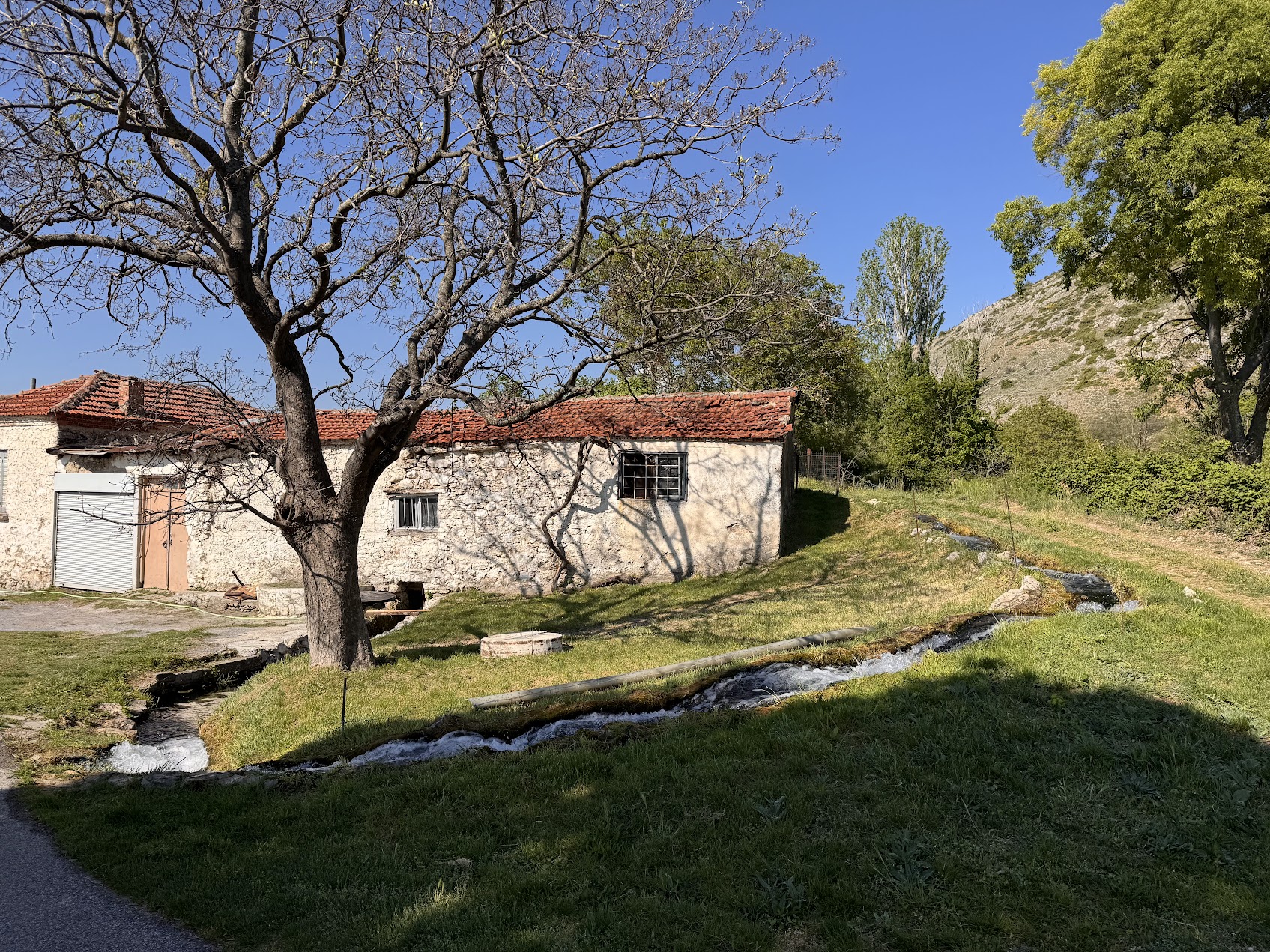
A characteristic activity of pre-industrial societies was the use of running water to power watermills. Through them, people essentially harnessed the power of water to generate energy, which they used in various production processes, primarily the grinding of grains (wheat, corn, rye, etc.) and the production of oils from olives, flax, and others.
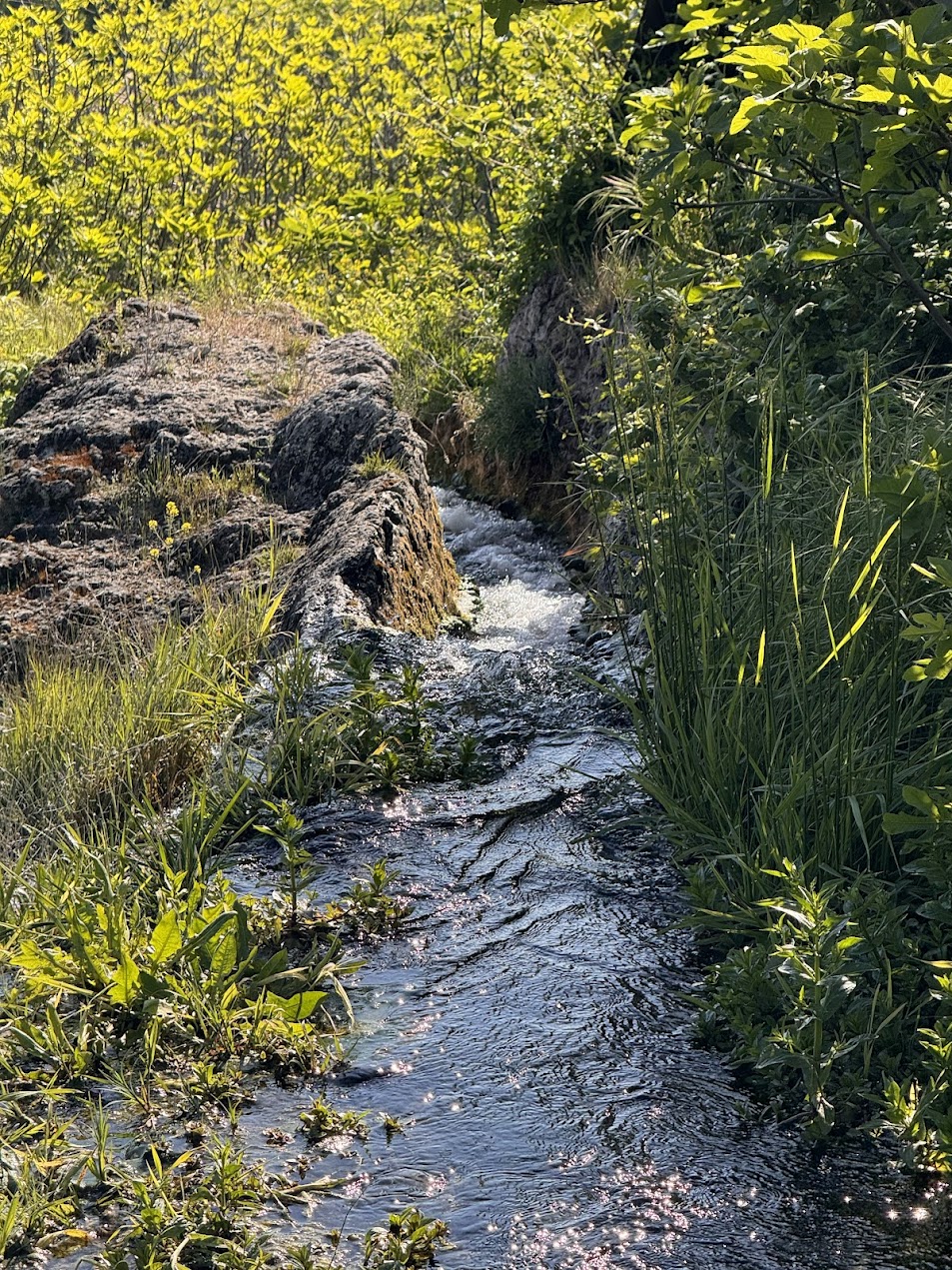
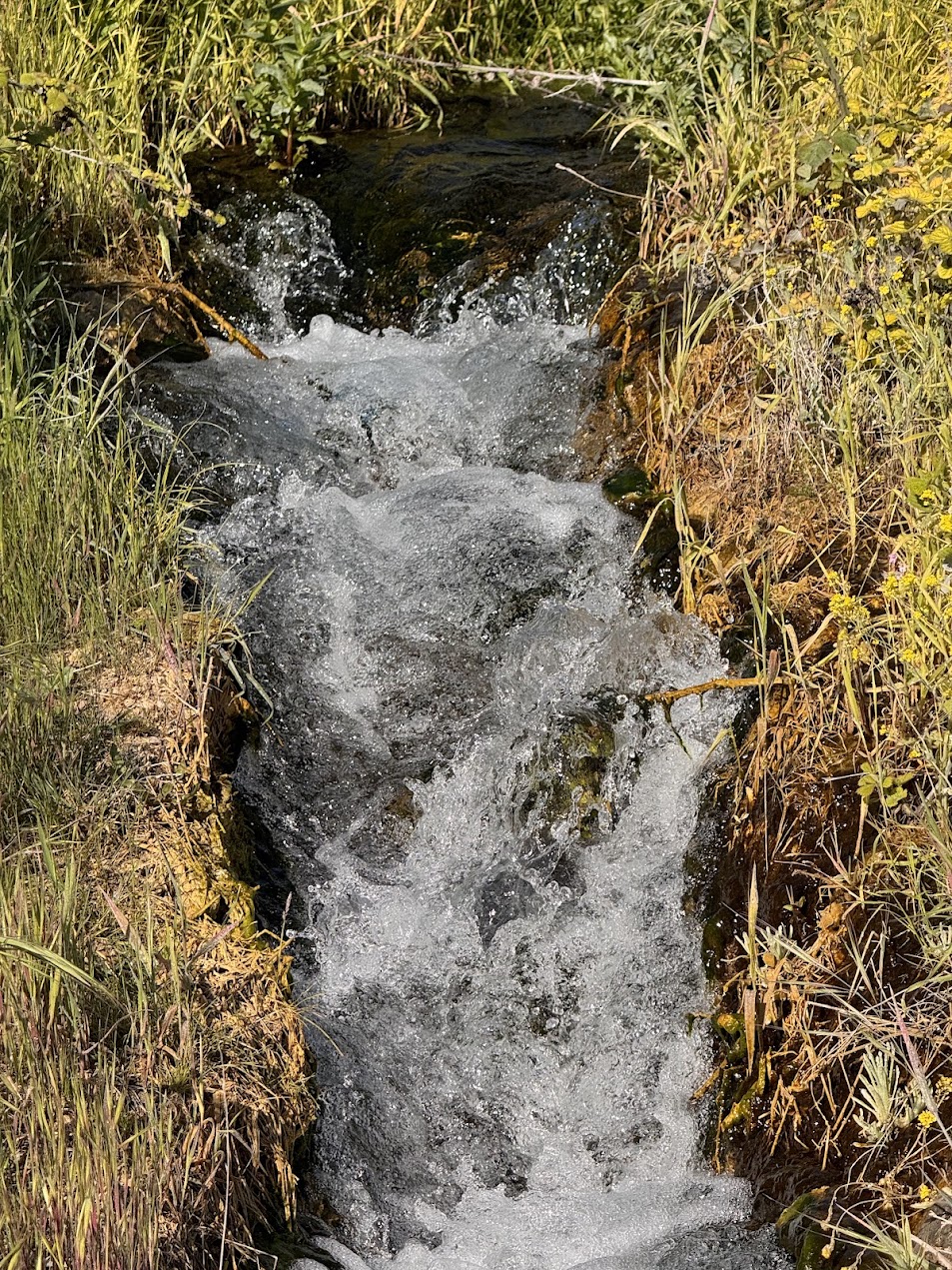
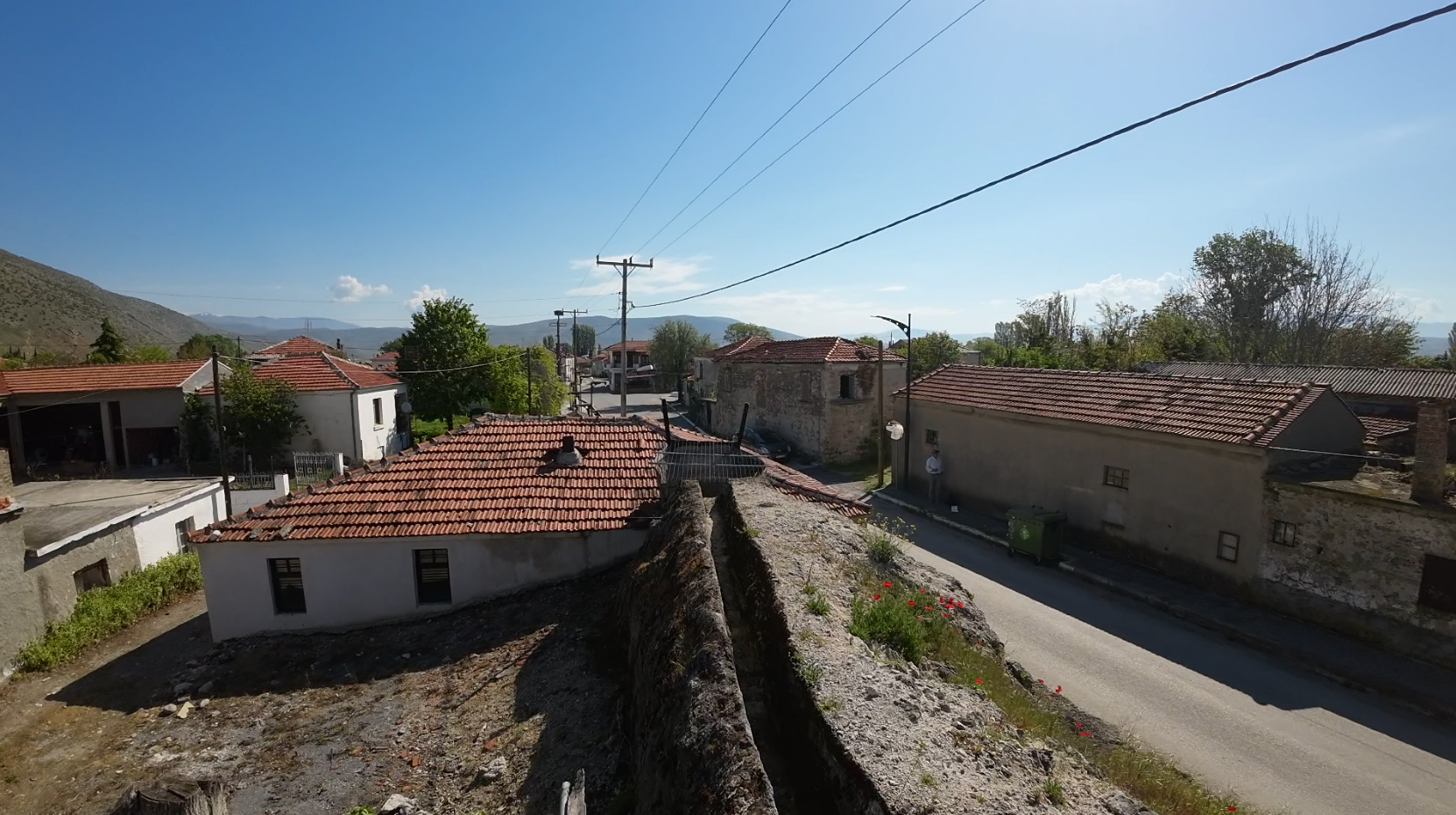
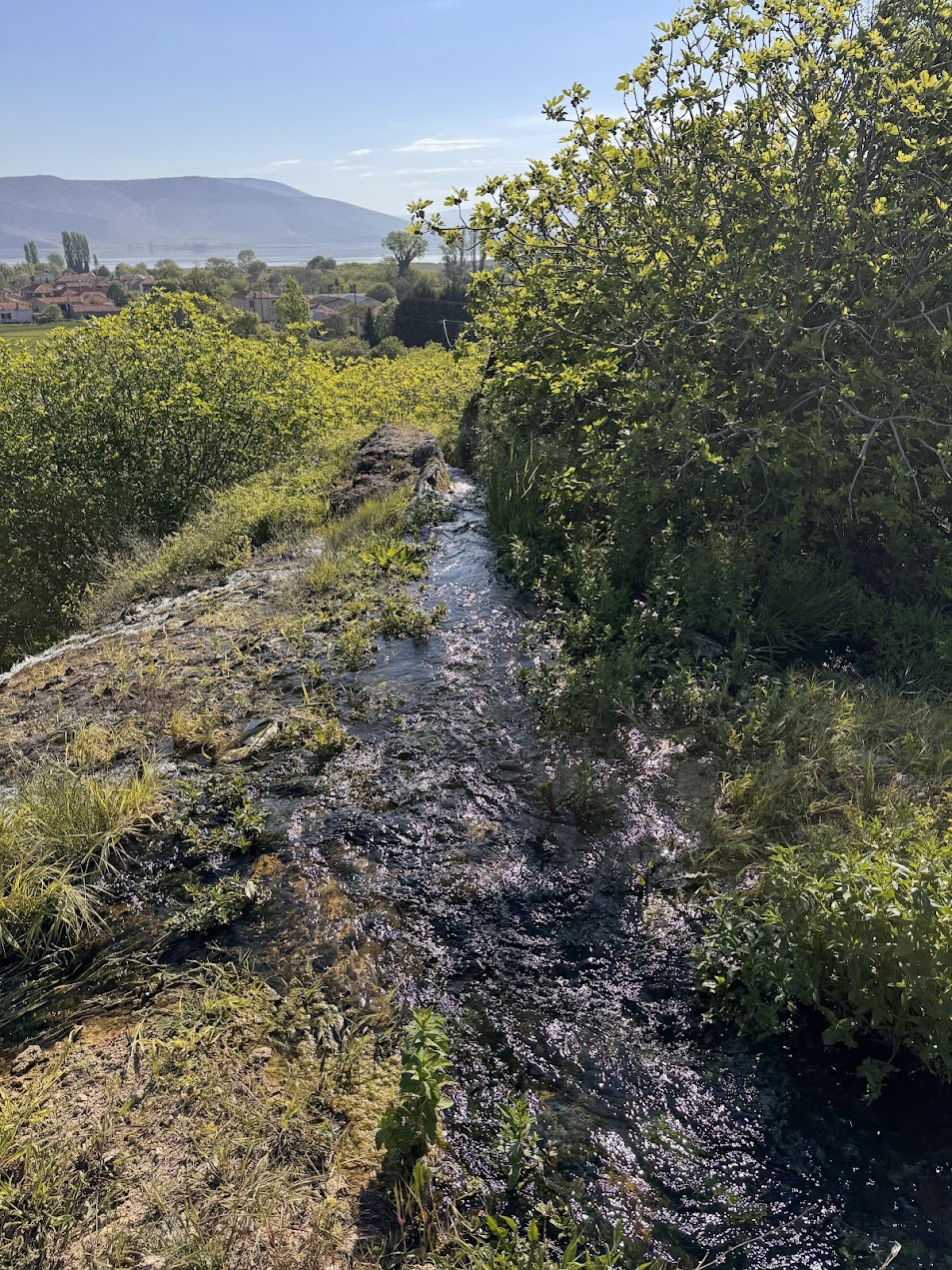
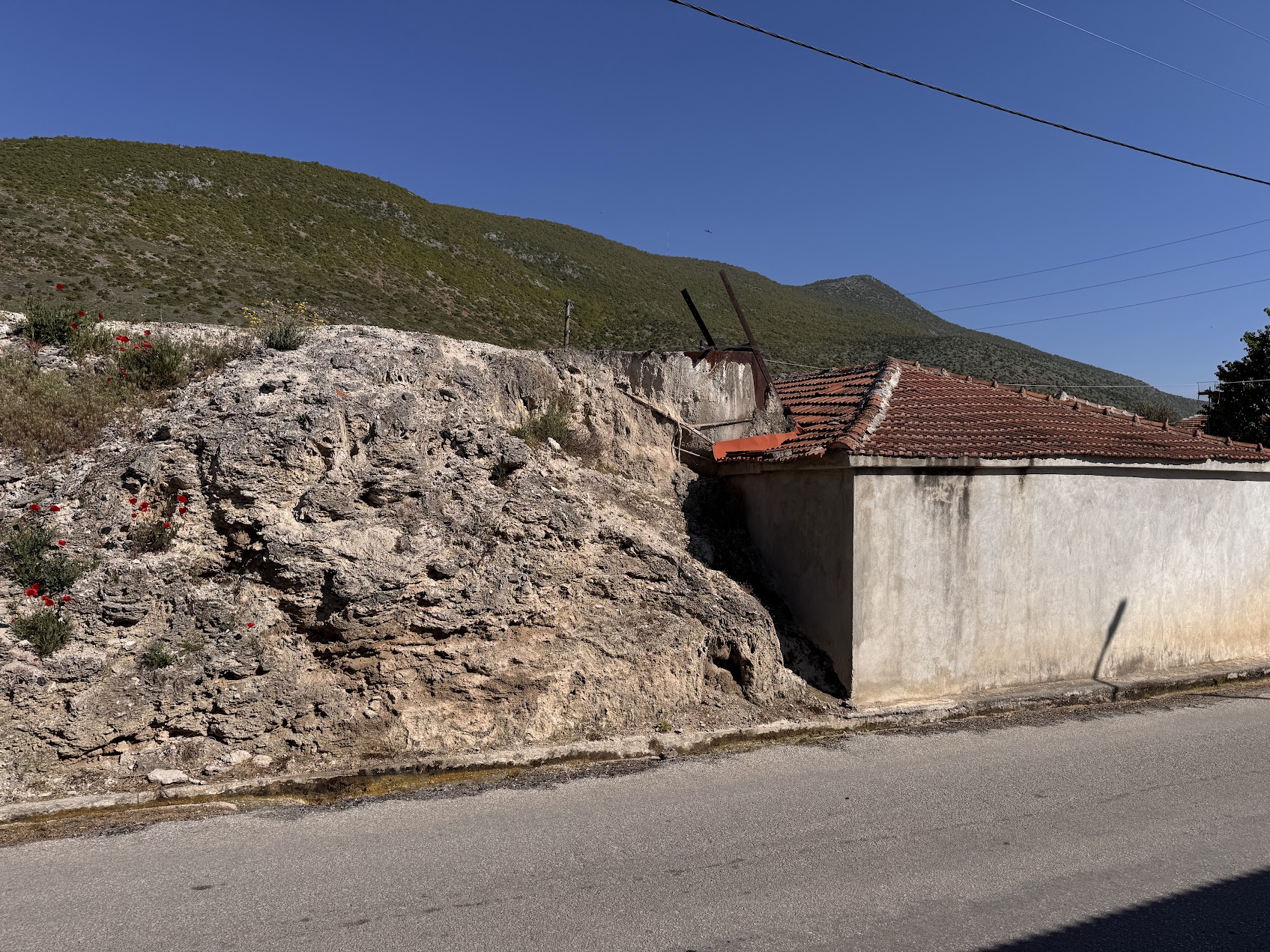
On the hill overlooking the picturesque village of Petres to the west, there is a spring that collects water from various smaller water sources, resulting in a stream that flows year-round. Some of the springs have acidic water, as evidenced by the impressive old limestone channel carved out by flowing water that has passed through there for thousands of years. Today, the water flows through a new channel next to the old one, reminding us of nature’s creative power.
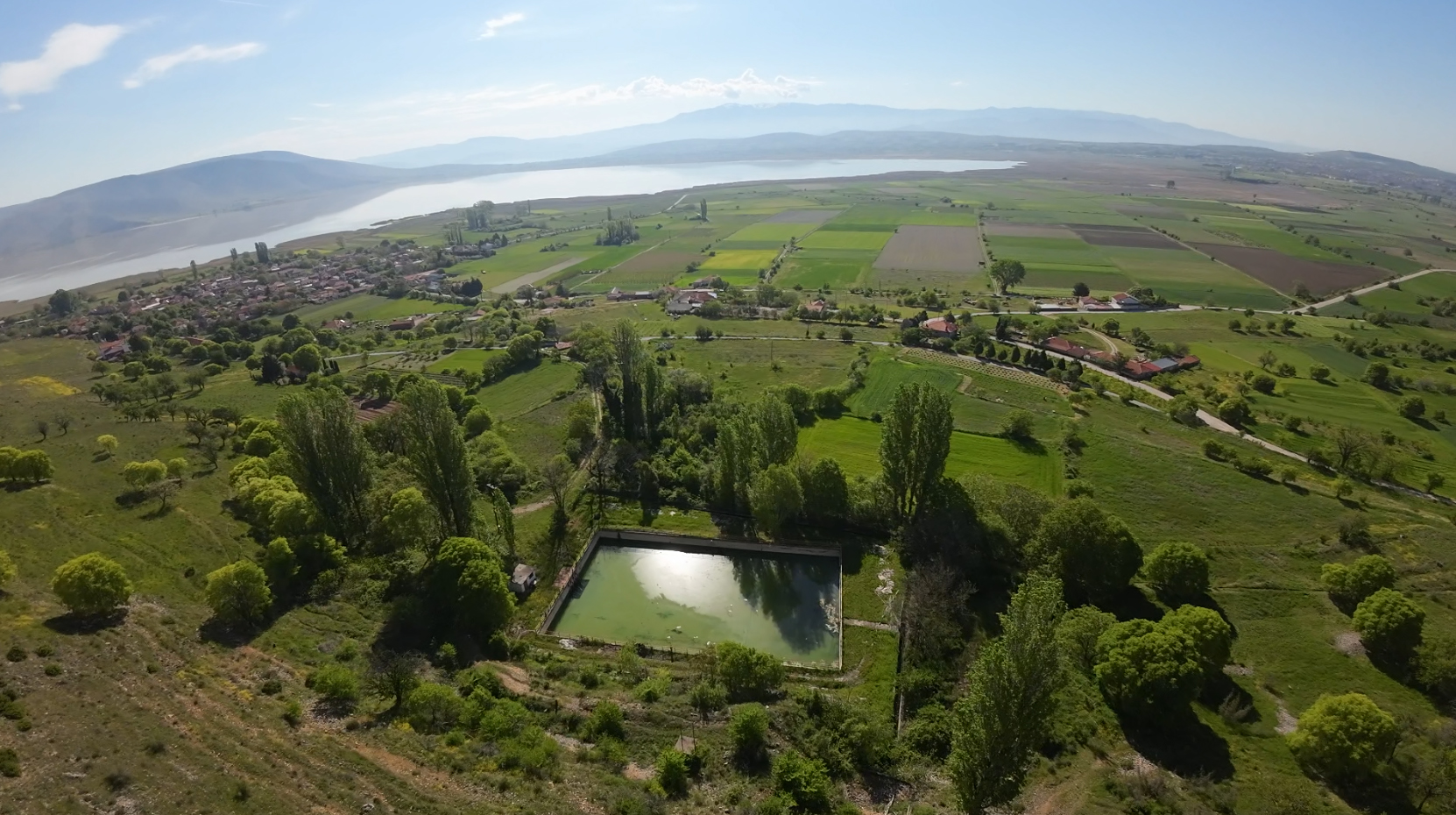
The water begins its journey at the springs located at an elevation of 624 m and travels a distance of approximately 1,300 meters, passing through the area of the watermills and crossing the village until it reaches Lake Petron. The lake is located at an elevation of 574 m, which helps us understand that over the short distance of 1,300 meters, the stream has an elevation difference of 50 m.
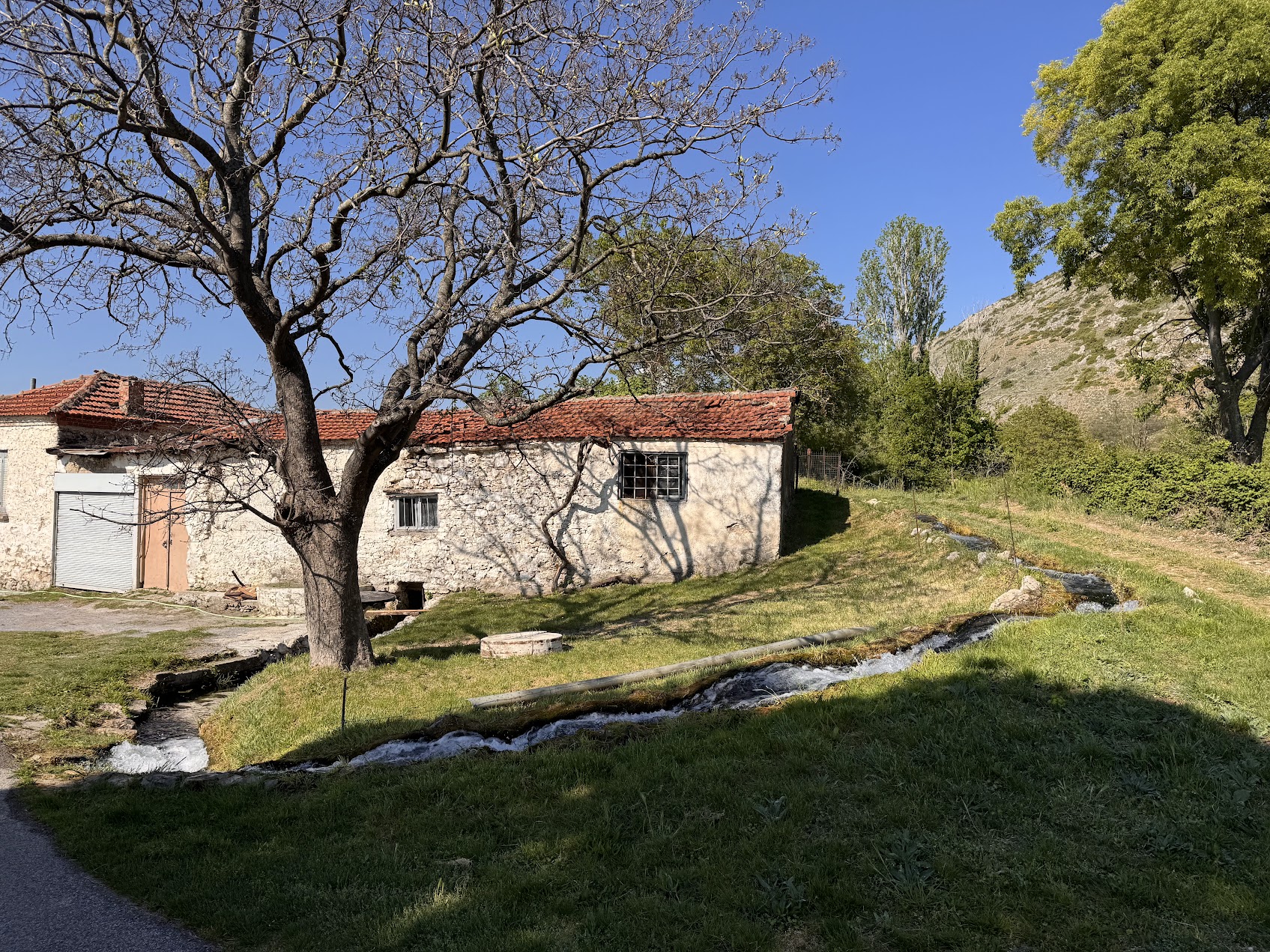
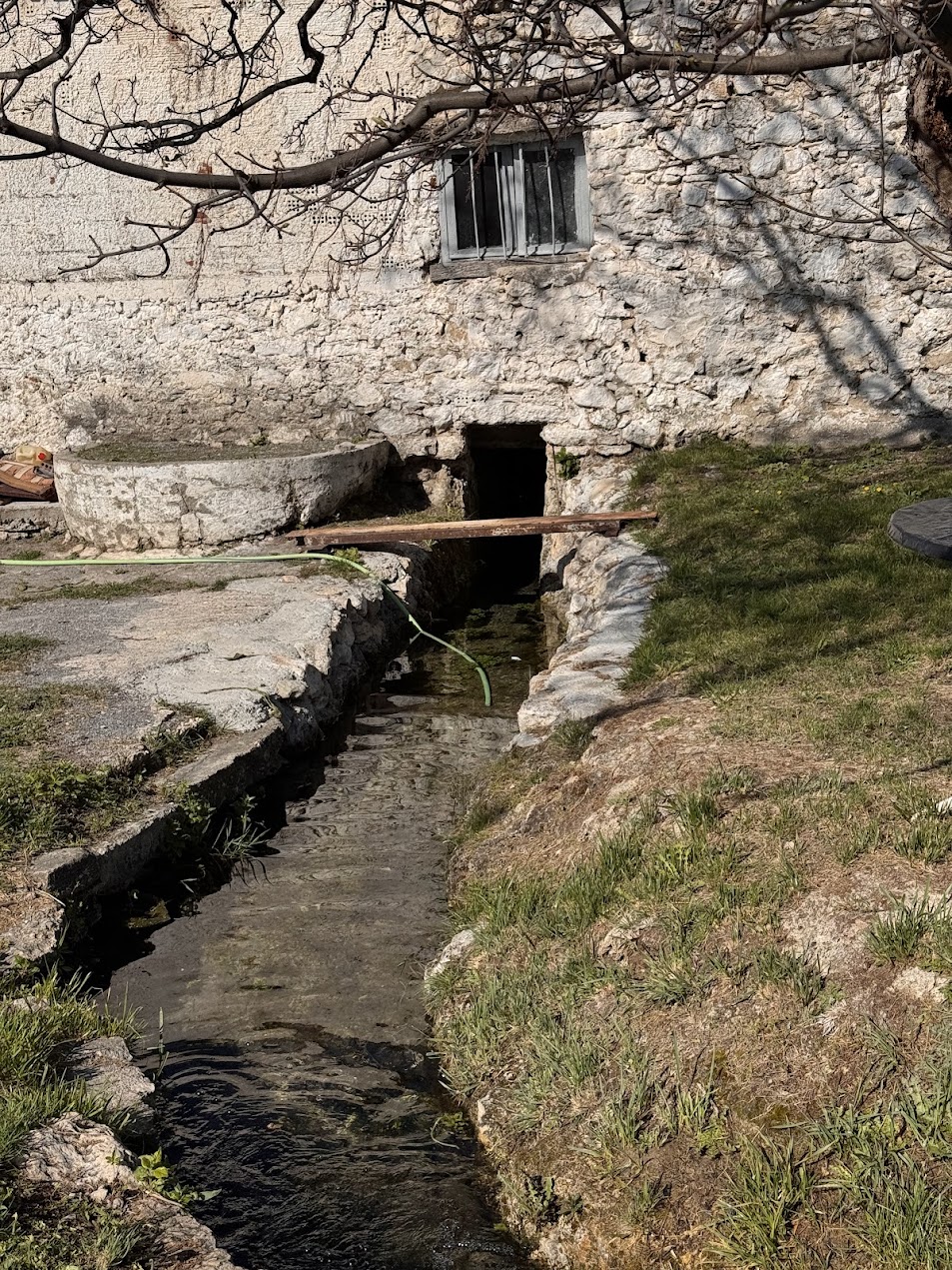
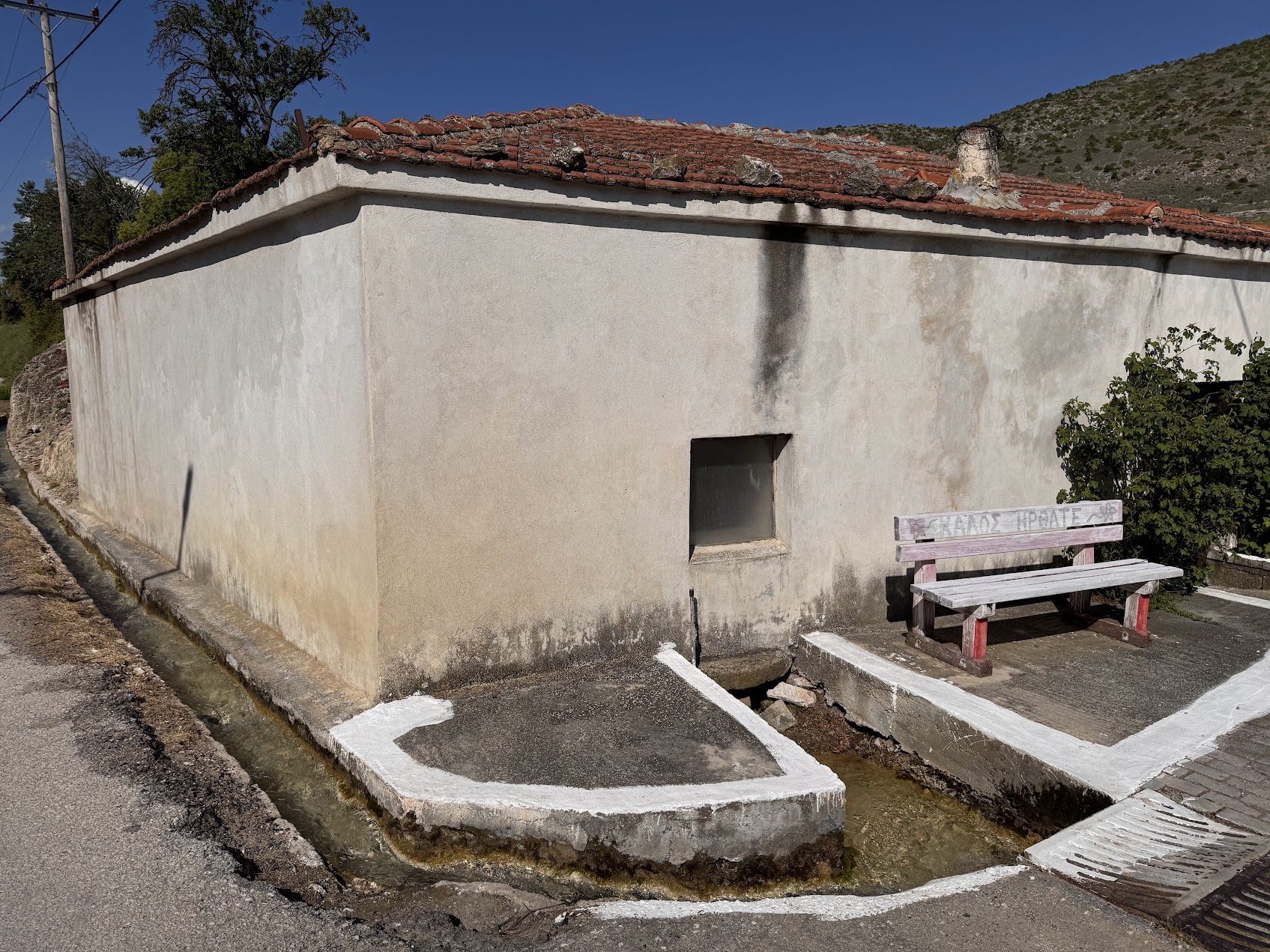
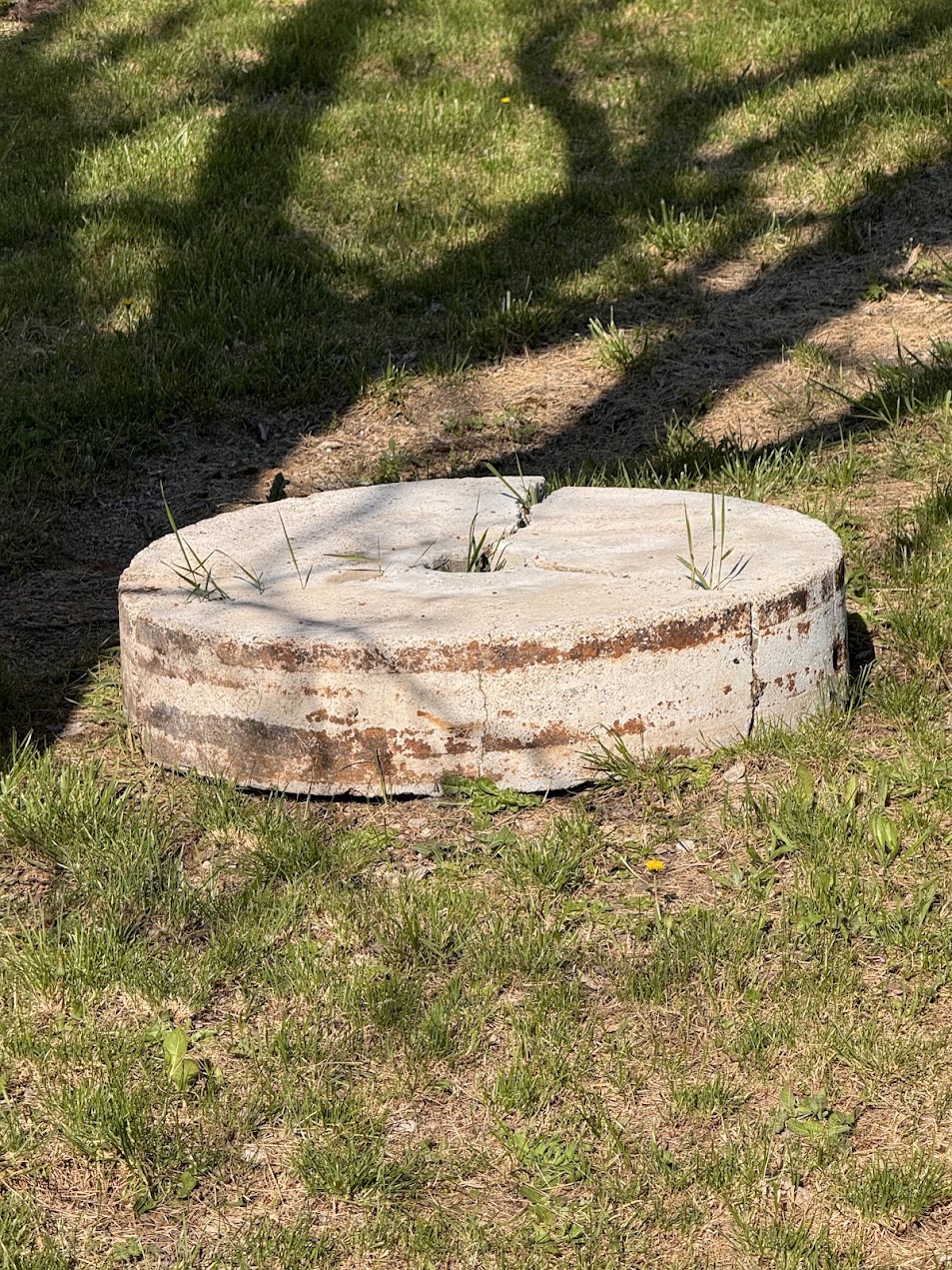
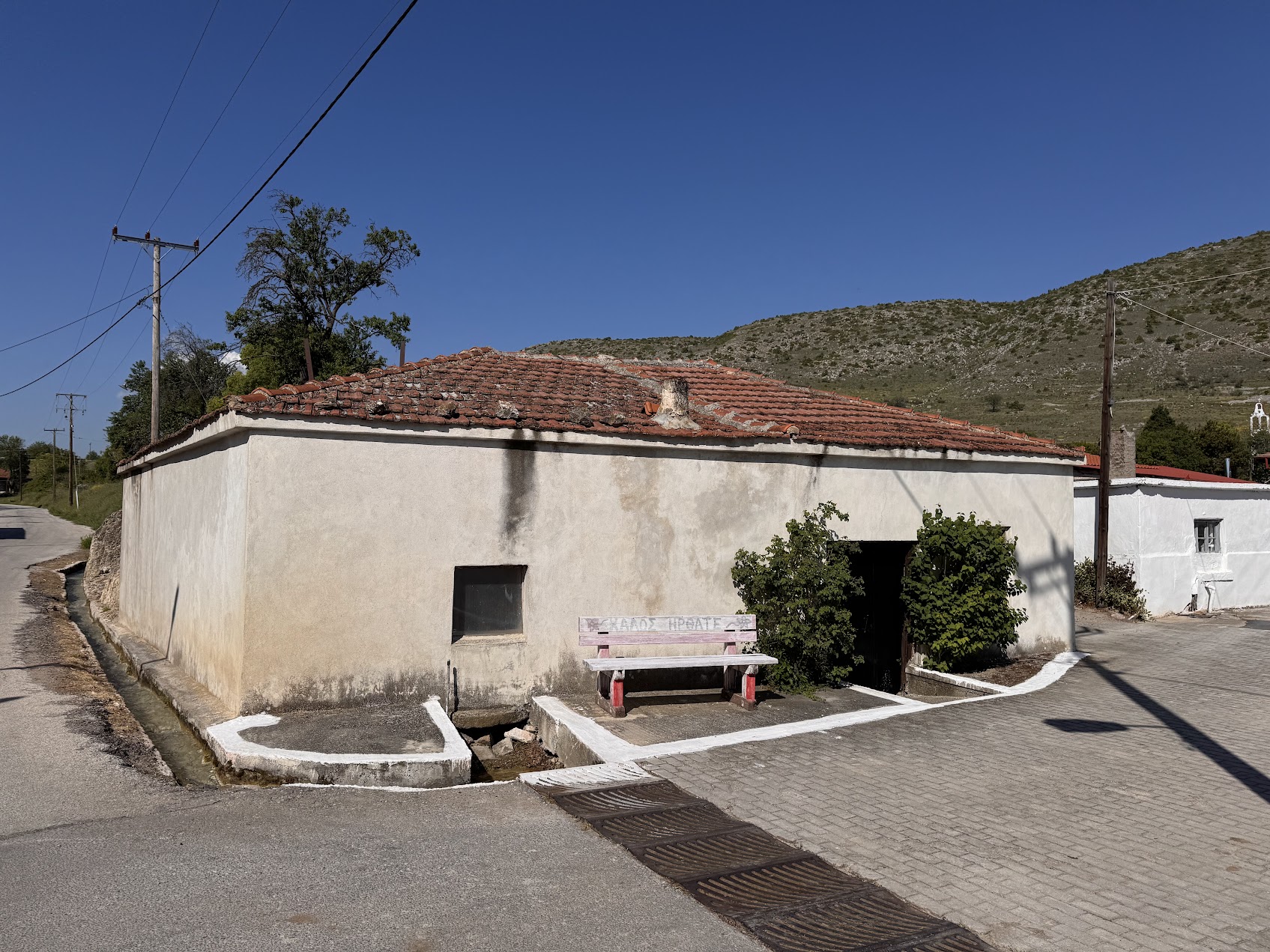
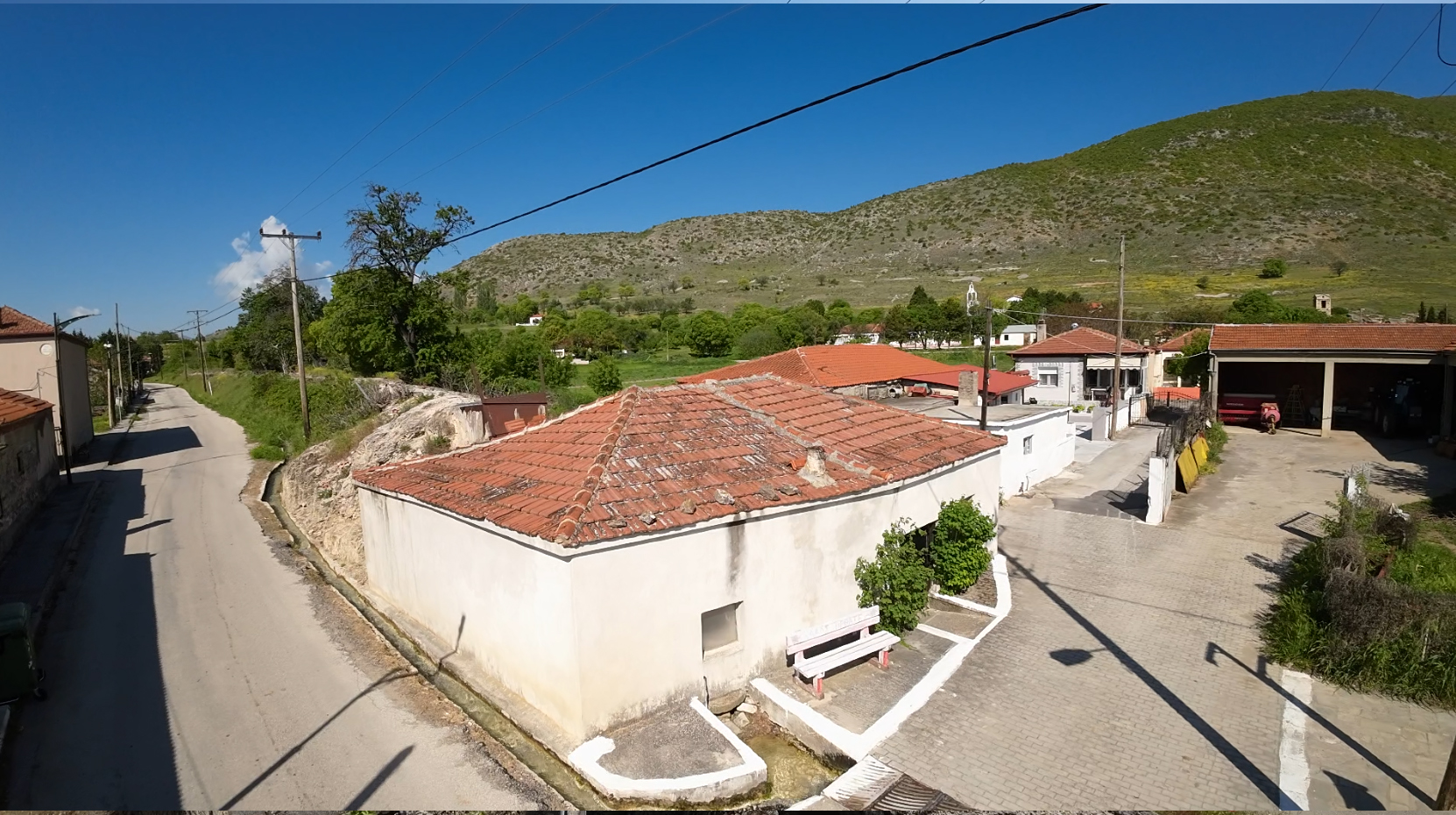
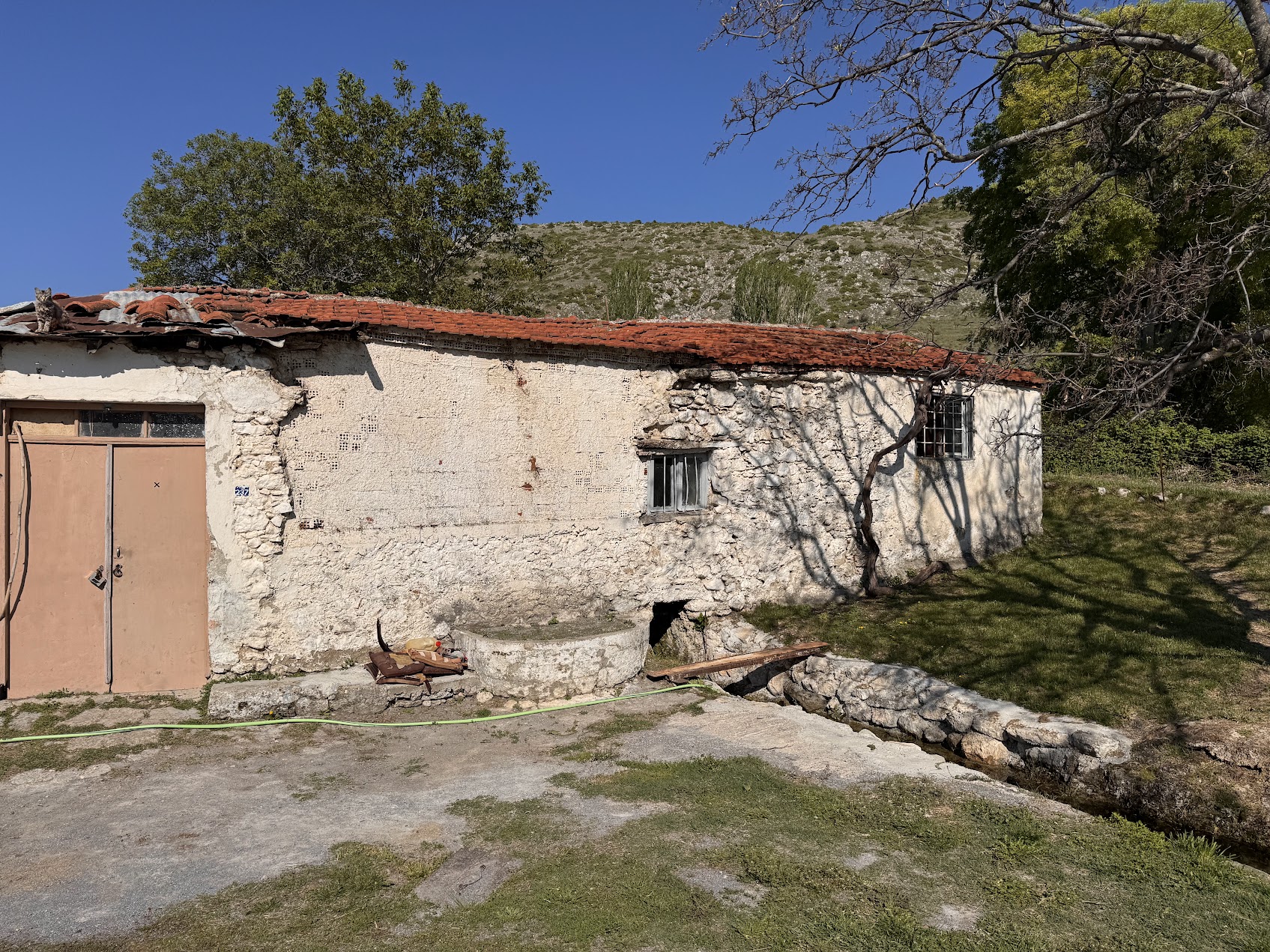
This elevation difference gives the water impulse, which the people did not let go to waste! They built watermills alongside the stream in the area between the spring and the village of Petron. Six watermills were built along this short stretch, of which functional elements—the water channels and the old millstones—remain today in two of them. Tradition holds that there was at least one more watermill, bringing the total number to seven.
The watermills were used by the villagers to grind the grains they produced, while there was also one—known as the “bataní”—where they washed their woven fabrics and woollen bedcloths.
Photos