Saint Nicholas of Petres
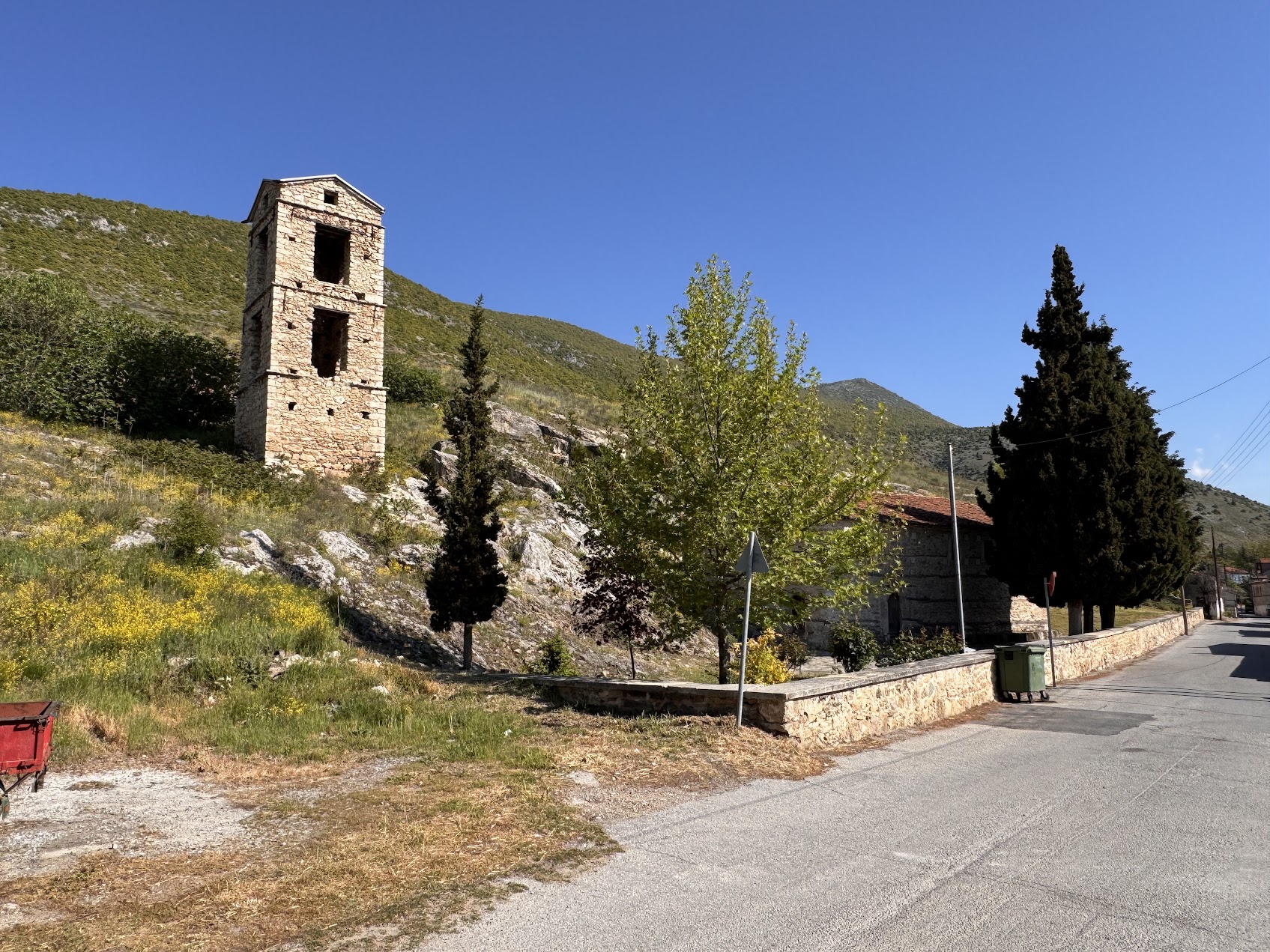
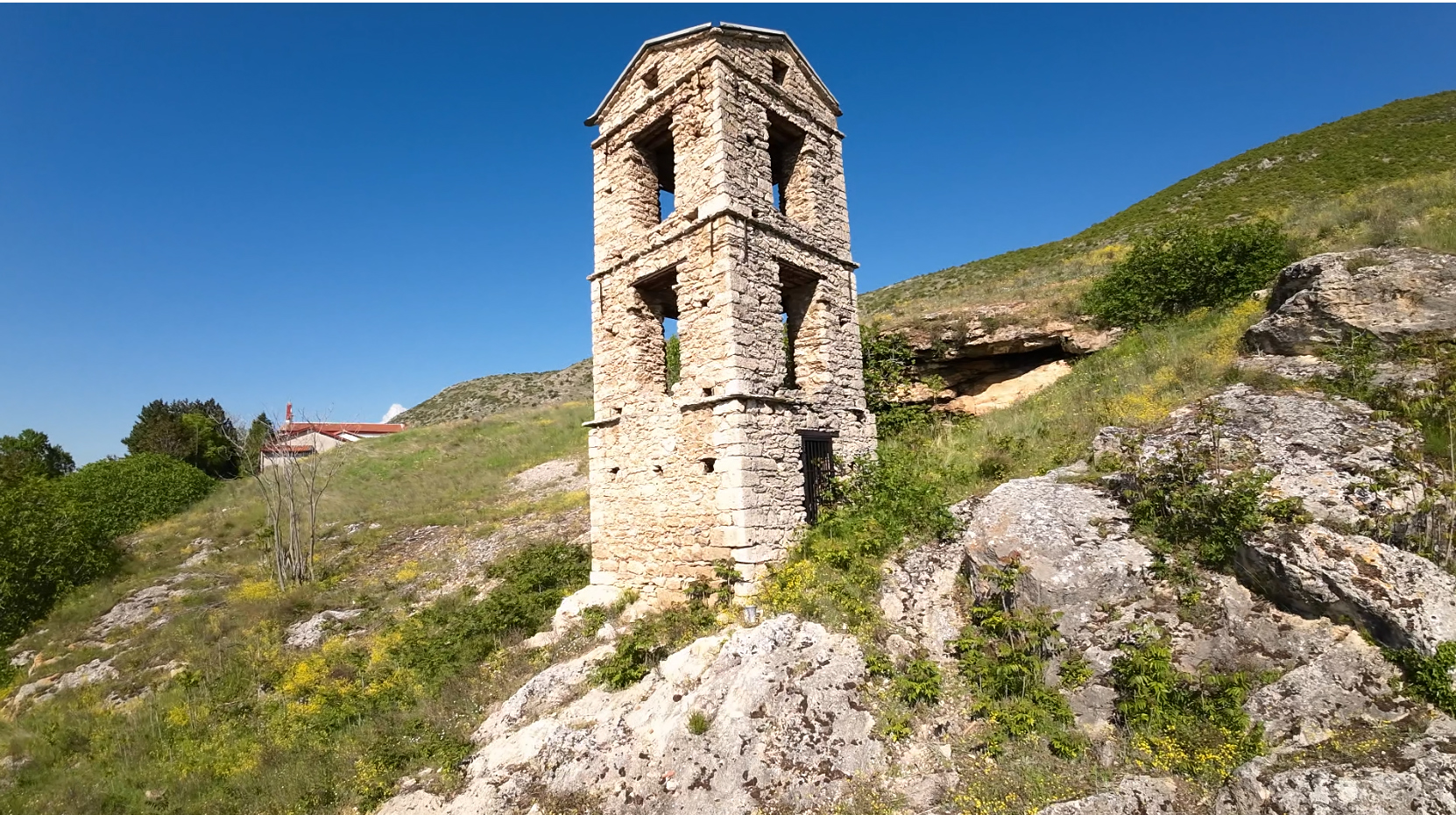
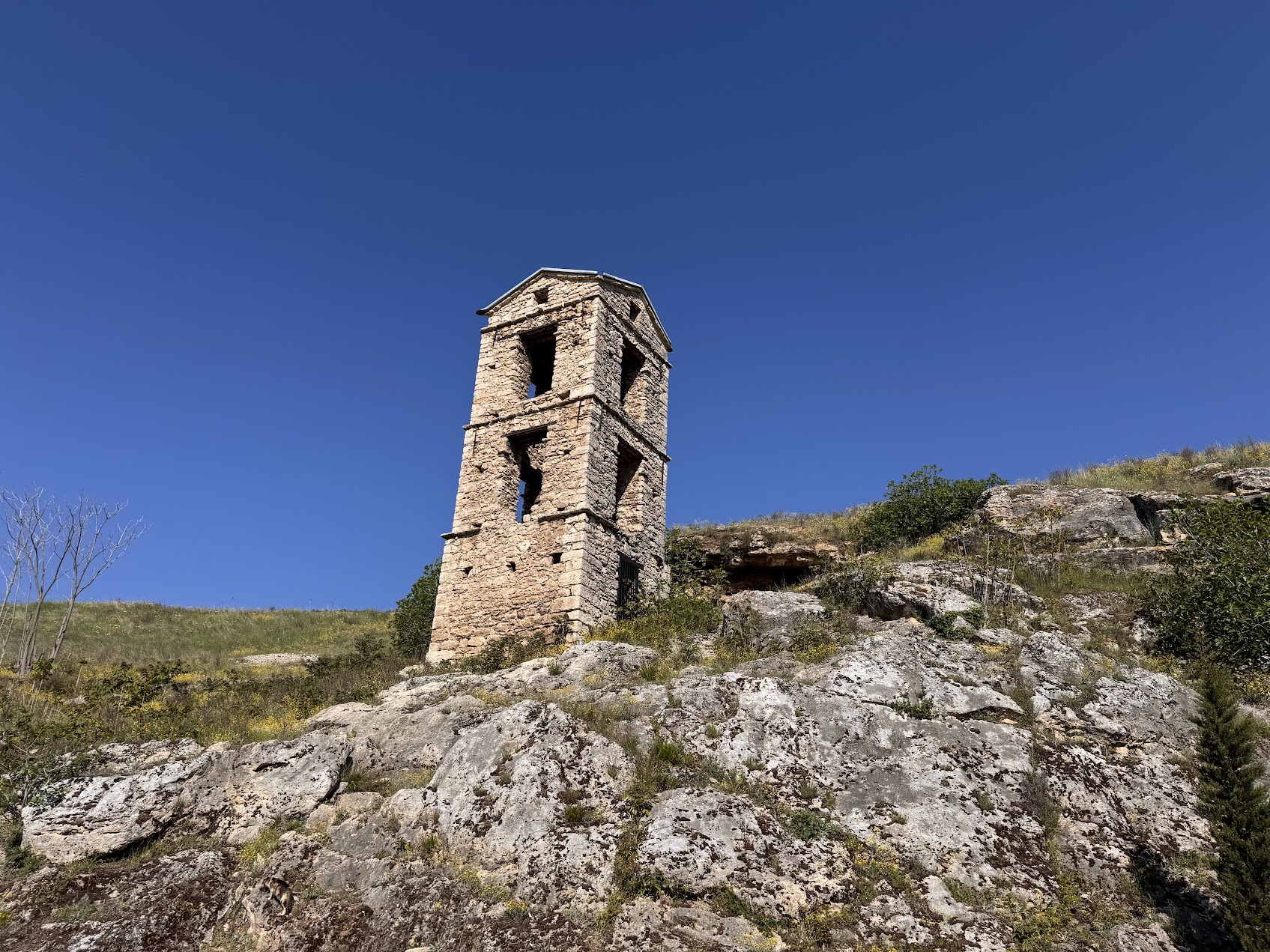
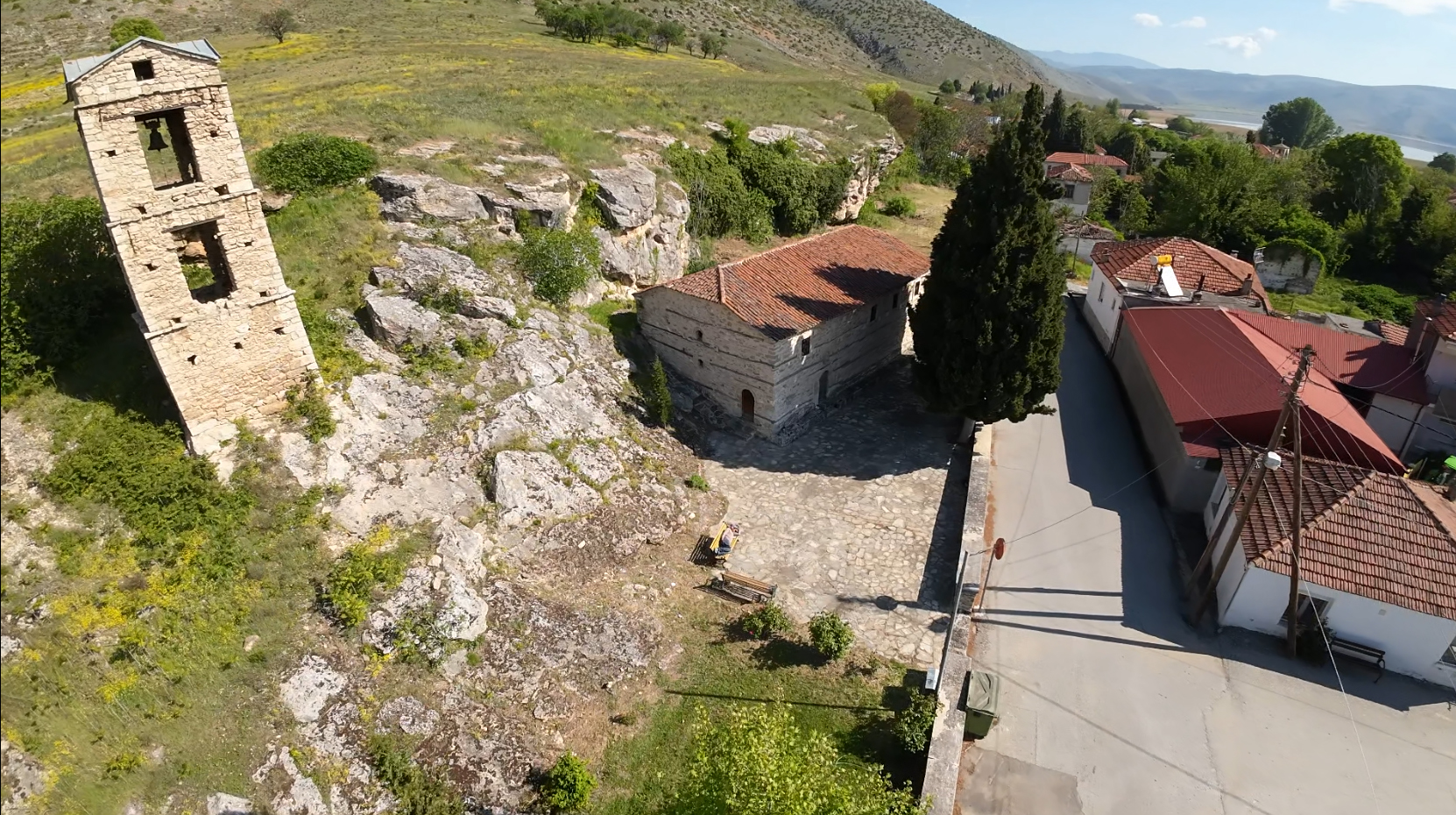
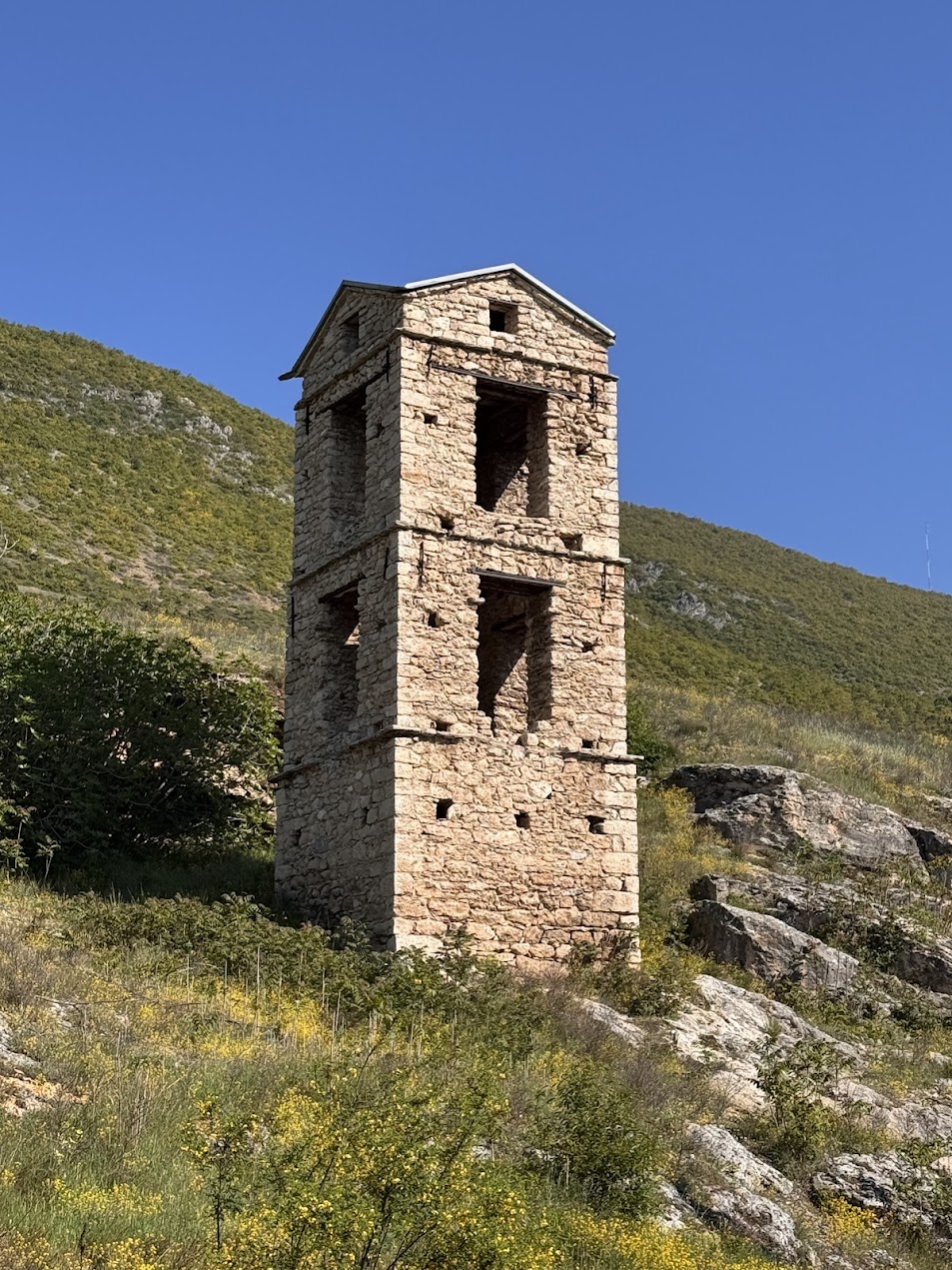
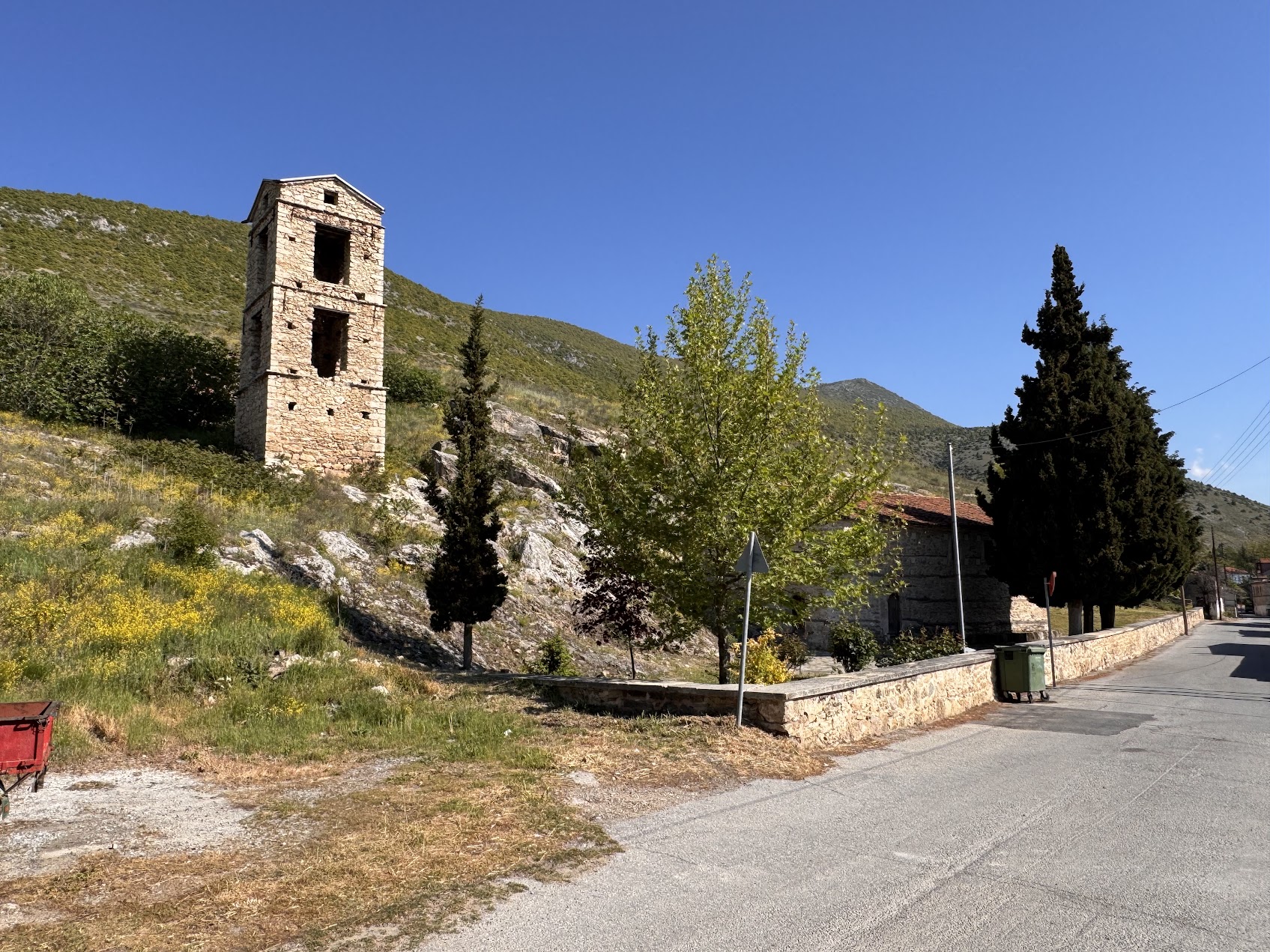
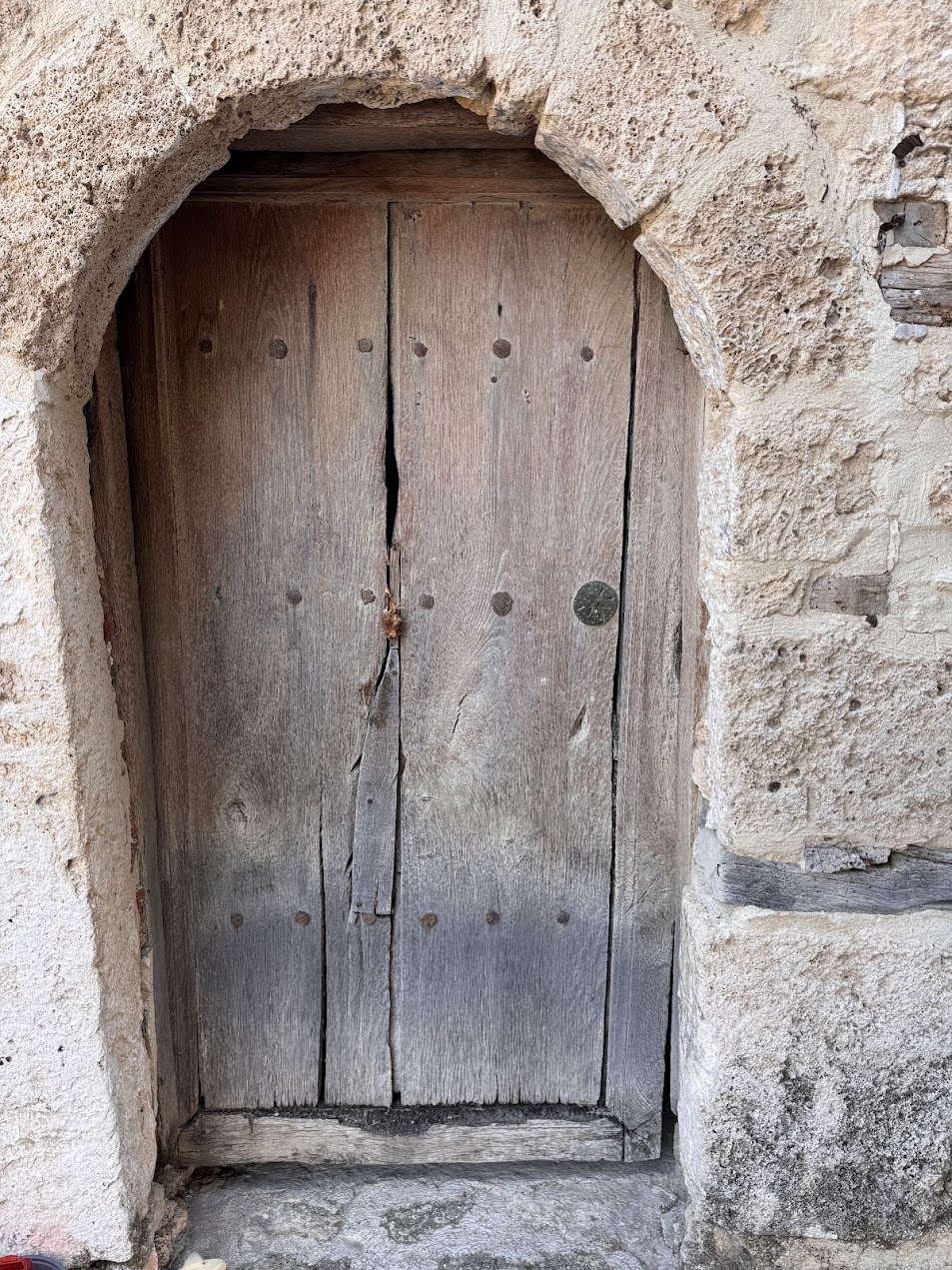
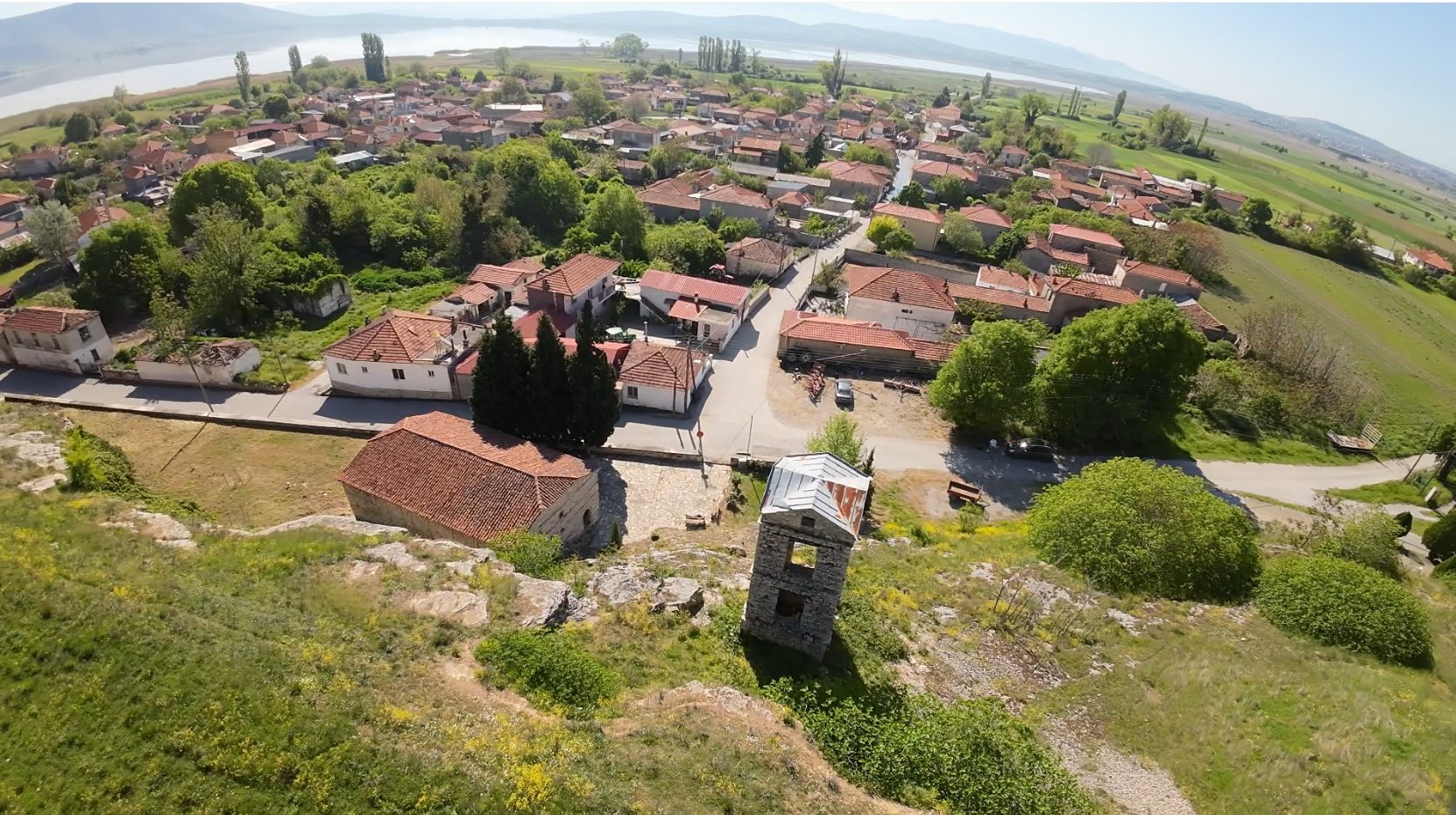
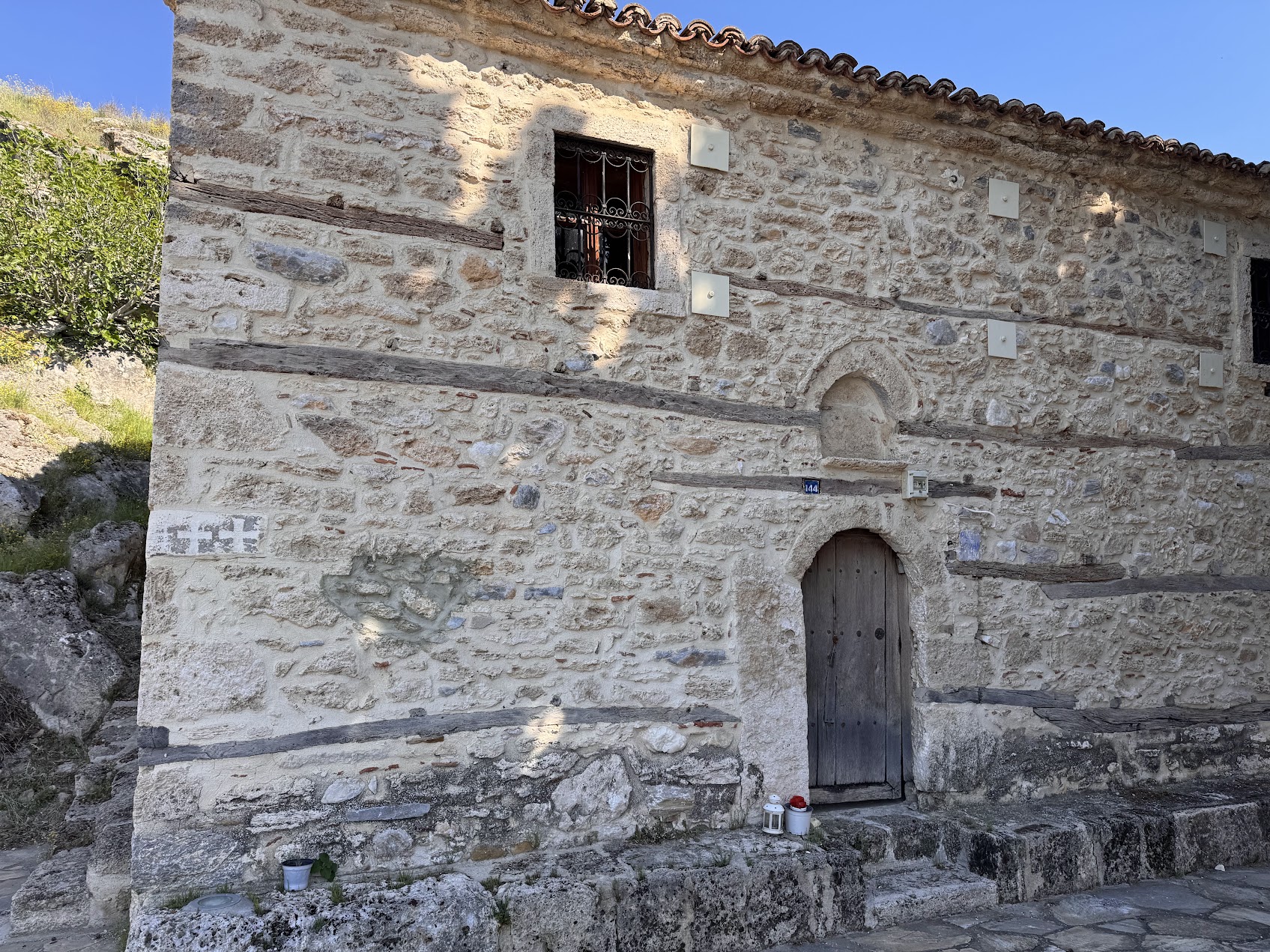
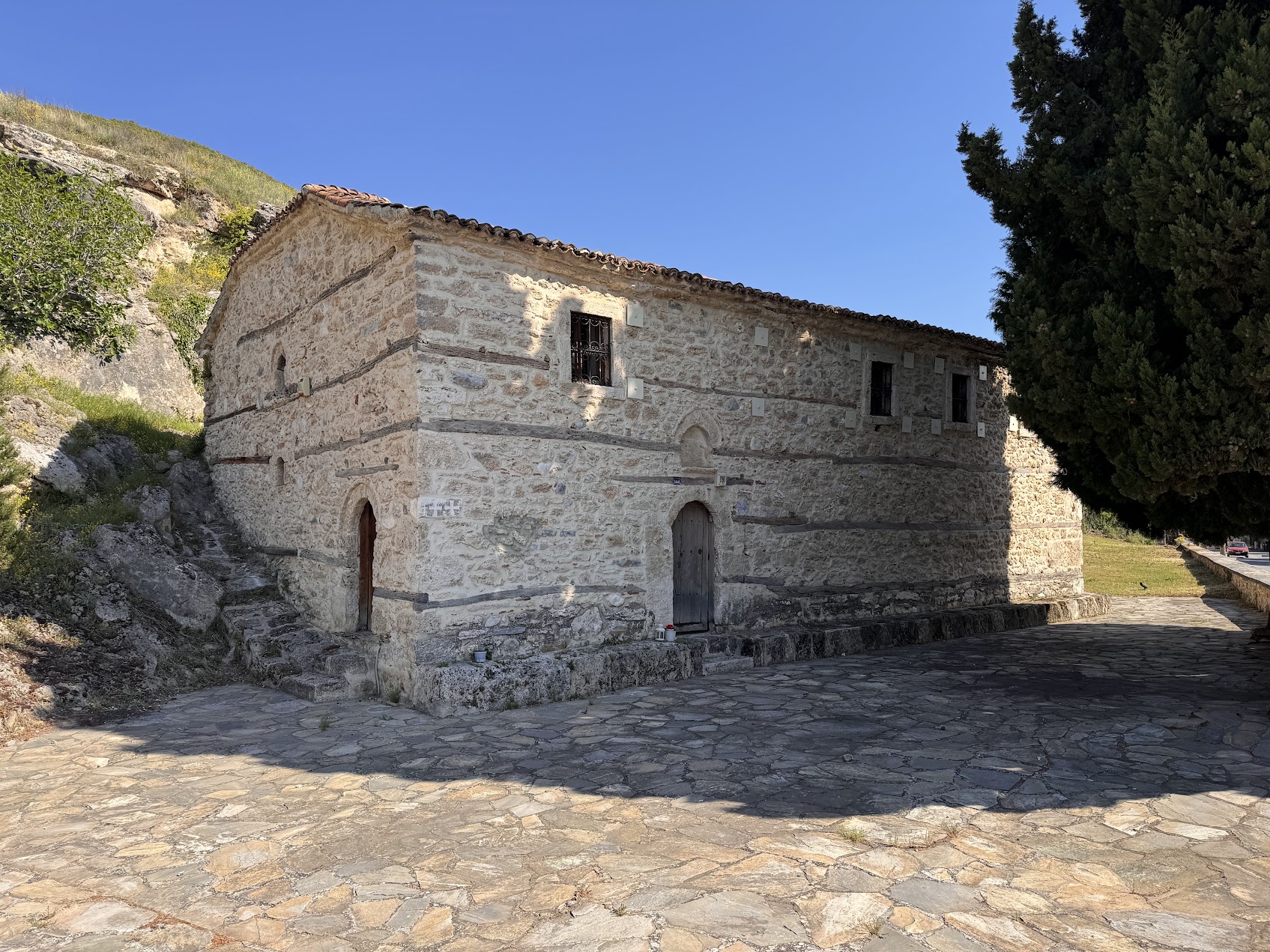
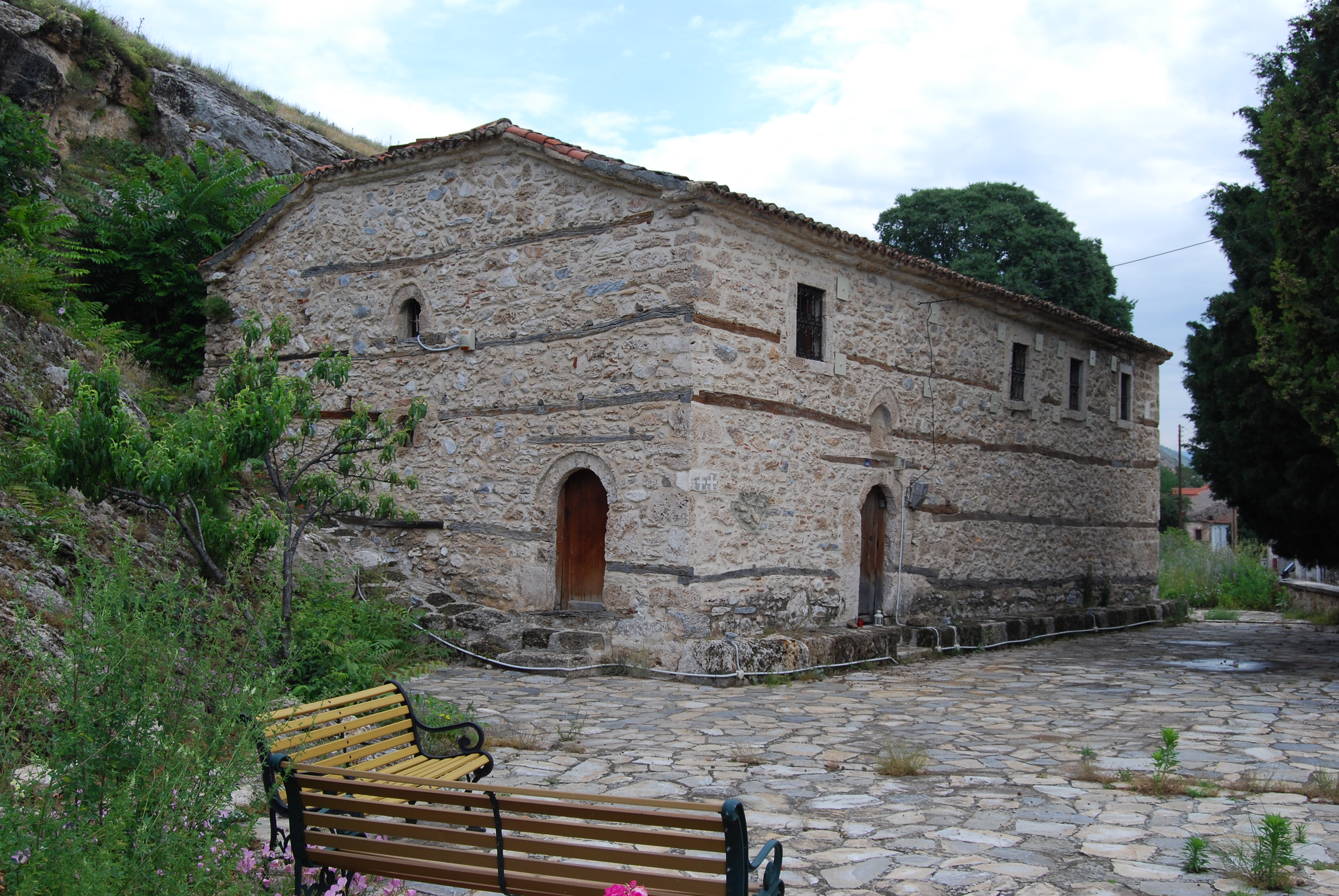
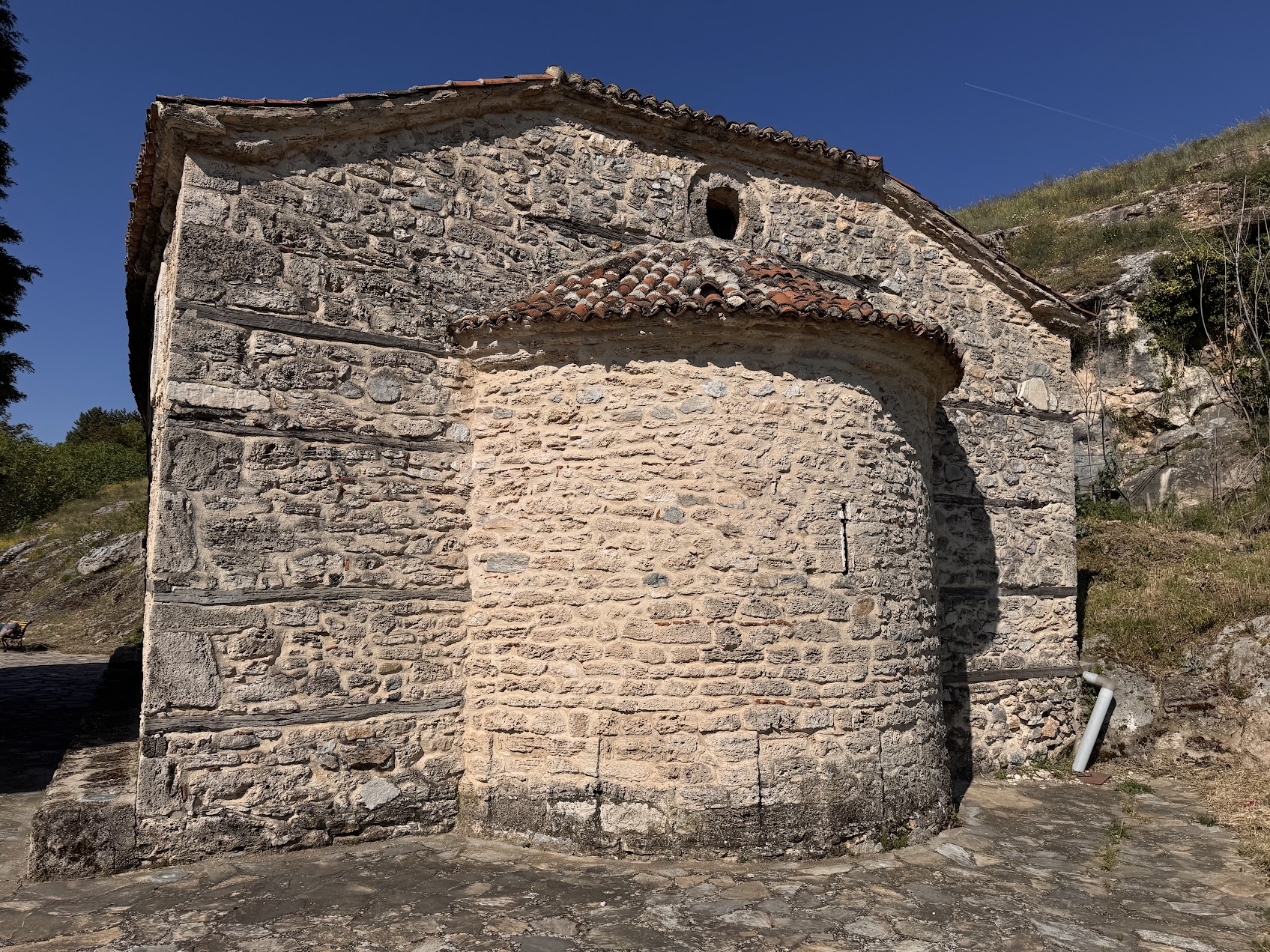
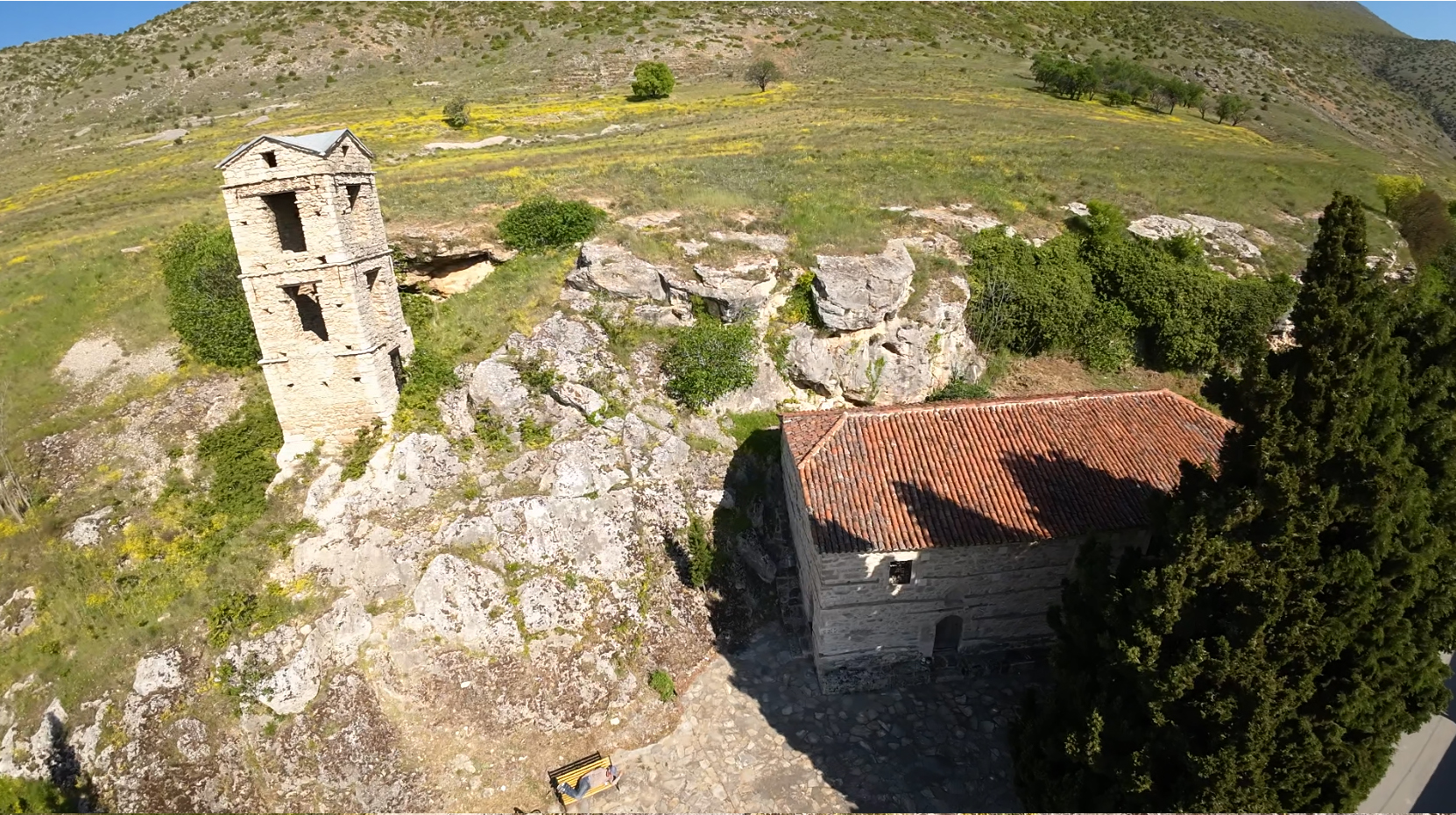
The church of Saint Nicholas is located at the northern edge of the modern village of Petres and at the foot of the steep cliff known as Kouria. Built in the early 18th century, it is a three-aisled, wooden-roofed basilica with a gabled roof, a narthex, and a women’s gallery; nearby to the west stands a 19th-century tower-like bell tower. Above the window on the south side of the church, the year 1836 is carved, which is likely to refer to some renovation. The church is constructed of both hewn and rough stones, while at various points it features embedded funerary relief stelae and architectural elements from the Hellenistic city of Petres and from the Roman-era settlement, which was located in the area of the present-day village of Petres.
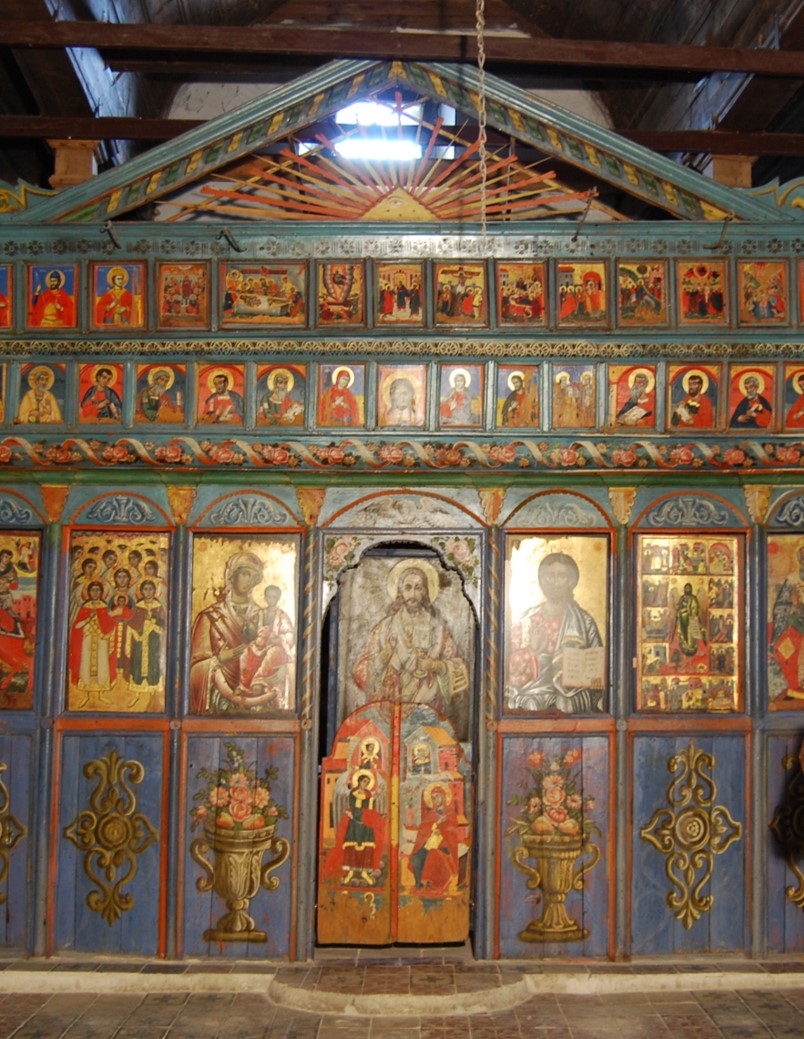
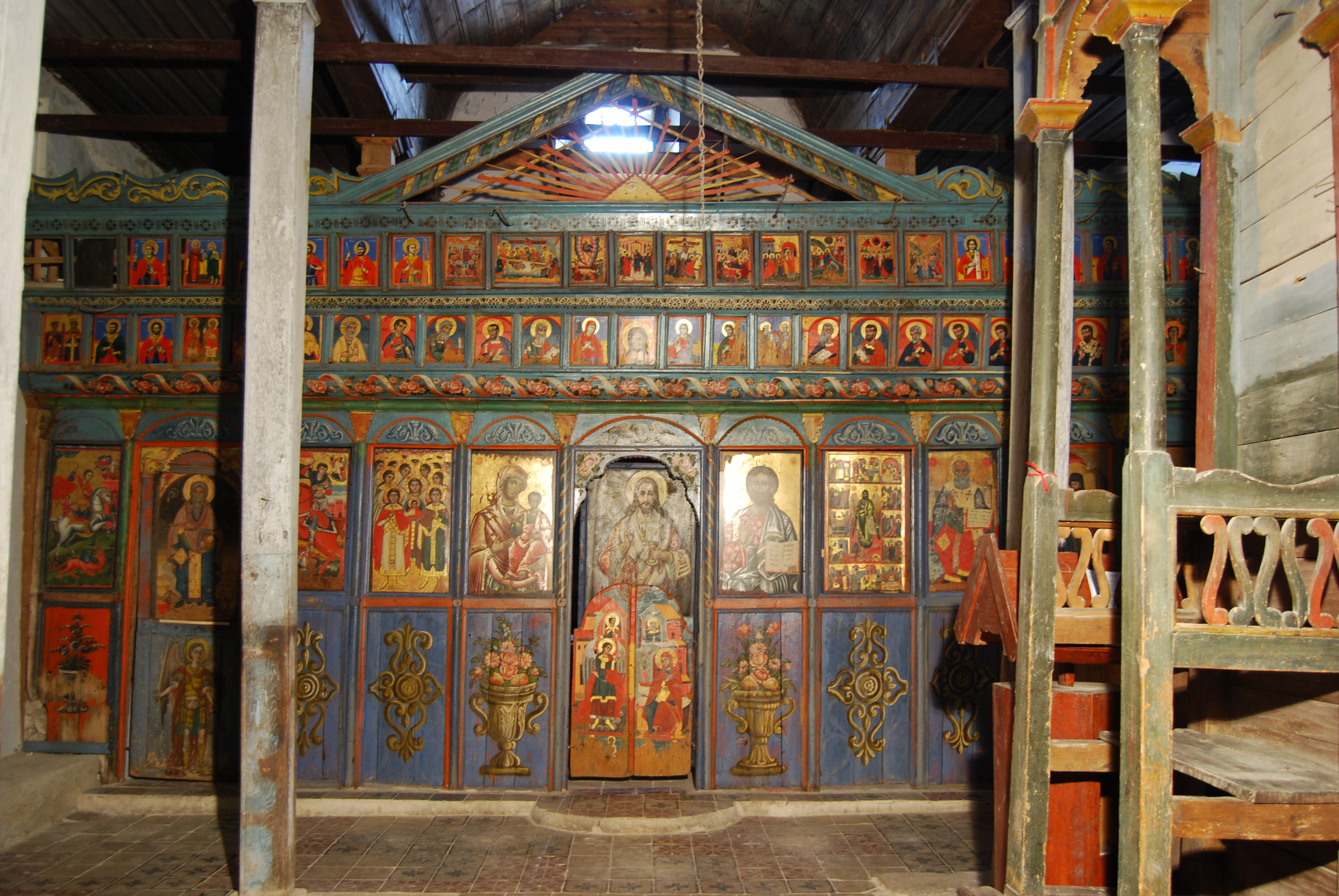
The interior dimensions of the church are 12.7 x 7.60 m, with an oversized apse and a raised semicylindrical dome in the central aisle. A door on the west side and one on the south lead into the church, where the pulpit, the bishop’s throne, and the painted, wood-carved iconostasis are preserved. On the floor of the sanctuary, a section of the church’s original paving remains, consisting of fired square clay tiles.
In its original form, the church was fully covered with frescoes, traces of which survive today in the apse of the sanctuary, in the Prothesis, and on the south wall. More specifically, the sanctuary depicts the Platytéra, the Divine Liturgy, and, in the lower section, various hierarchs, while on the south wall there is a surviving depiction of the Ascension of the Prophet Elijah, beneath whose chariot the Prophet Elisha is depicted.
Also of interest are the surviving icons on the church’s wood-carved iconostasis. In a section that has been incorporated into a later shrine, the Virgin Mary holding the Infant Jesus is depicted, flanked symmetrically by adoring angels, with figures of various saints at the bottom (Saint Anthony, Saint Barbara, Saint Paraskevi, and Saints Demetrius and Nicholas the Younger), along with an inscription dating the depiction to 1776. The despotic icons were painted in 1801, while the door of the iconostasis’ Prothesis depicts Saints Anthony and Dionysius, icons dating from 1806. Also noteworthy are the portable icons of Saint Spyridon, depicting scenes from his life and miracles, and that of Saint Panteleimon.
The rich interior decoration, featuring frescoes and devotional icons, as well as the iconostasis, are considered representative of ecclesiastical art of the 18th and 19th centuries, with characteristic works by folk icon painters of Western Macedonia. Furthermore, around 1840, a team of icon painters from Chionades was working on the frescoes of churches in the wider Florina region.
Photos