Lake Petron
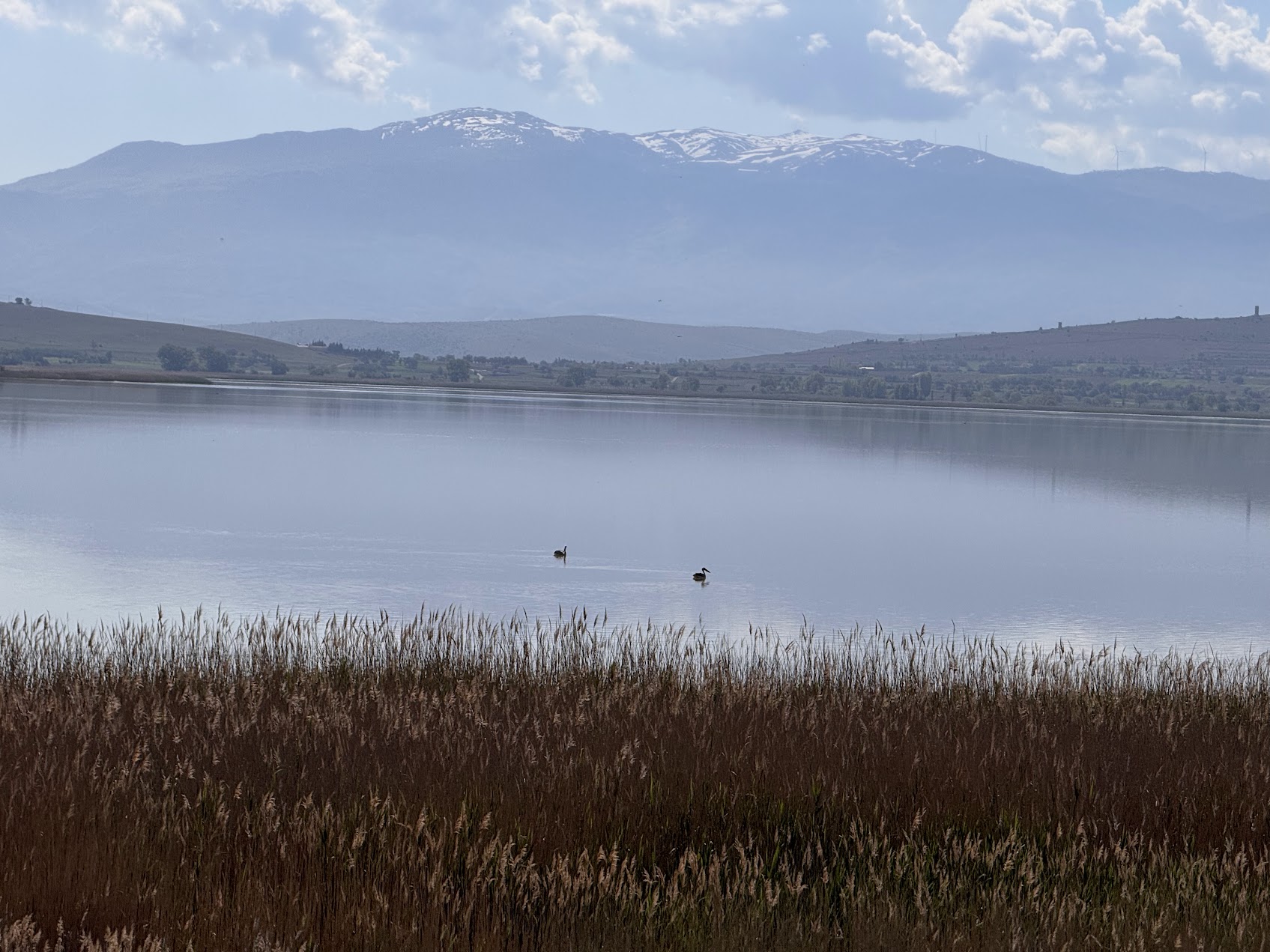
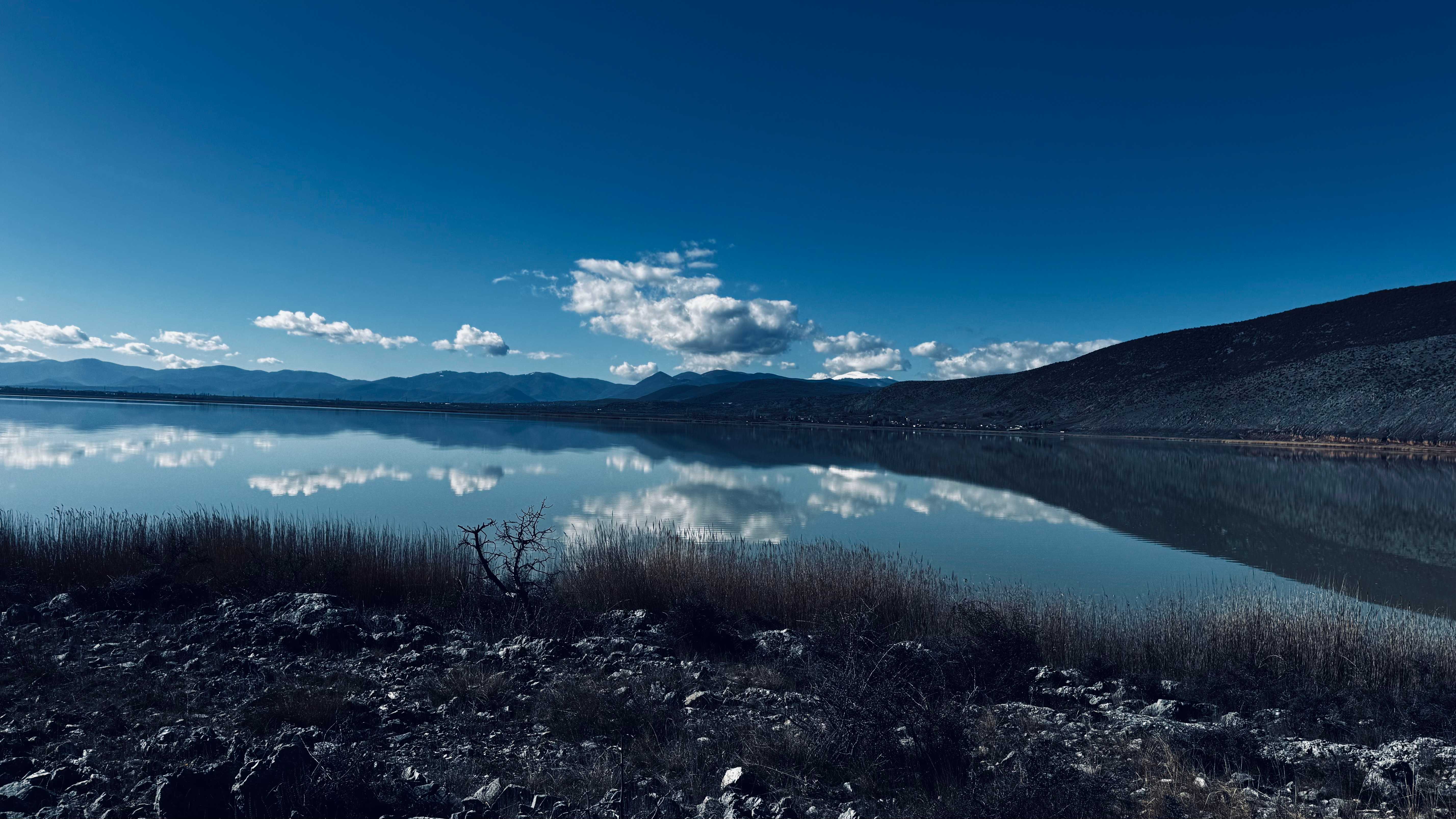
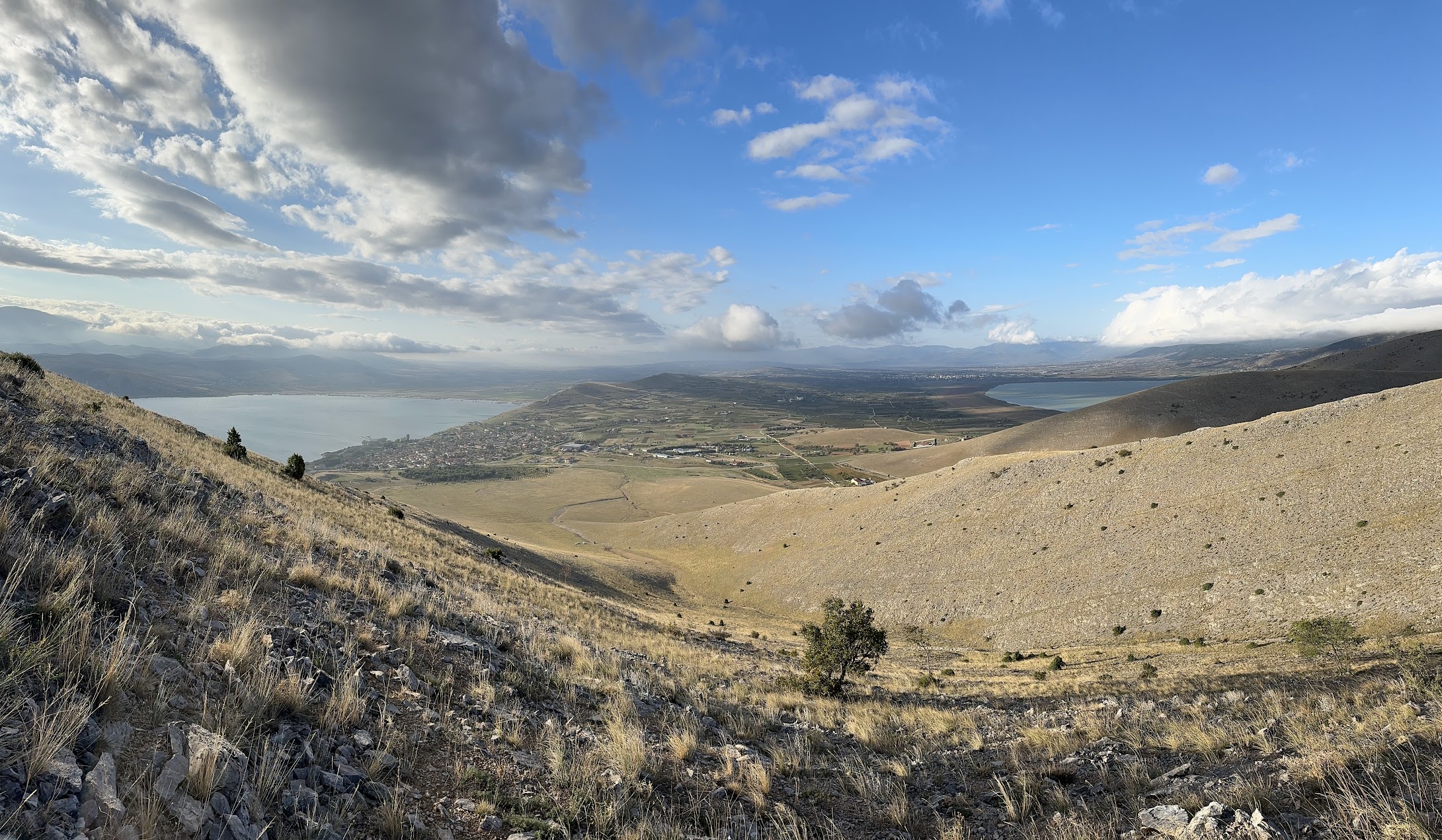
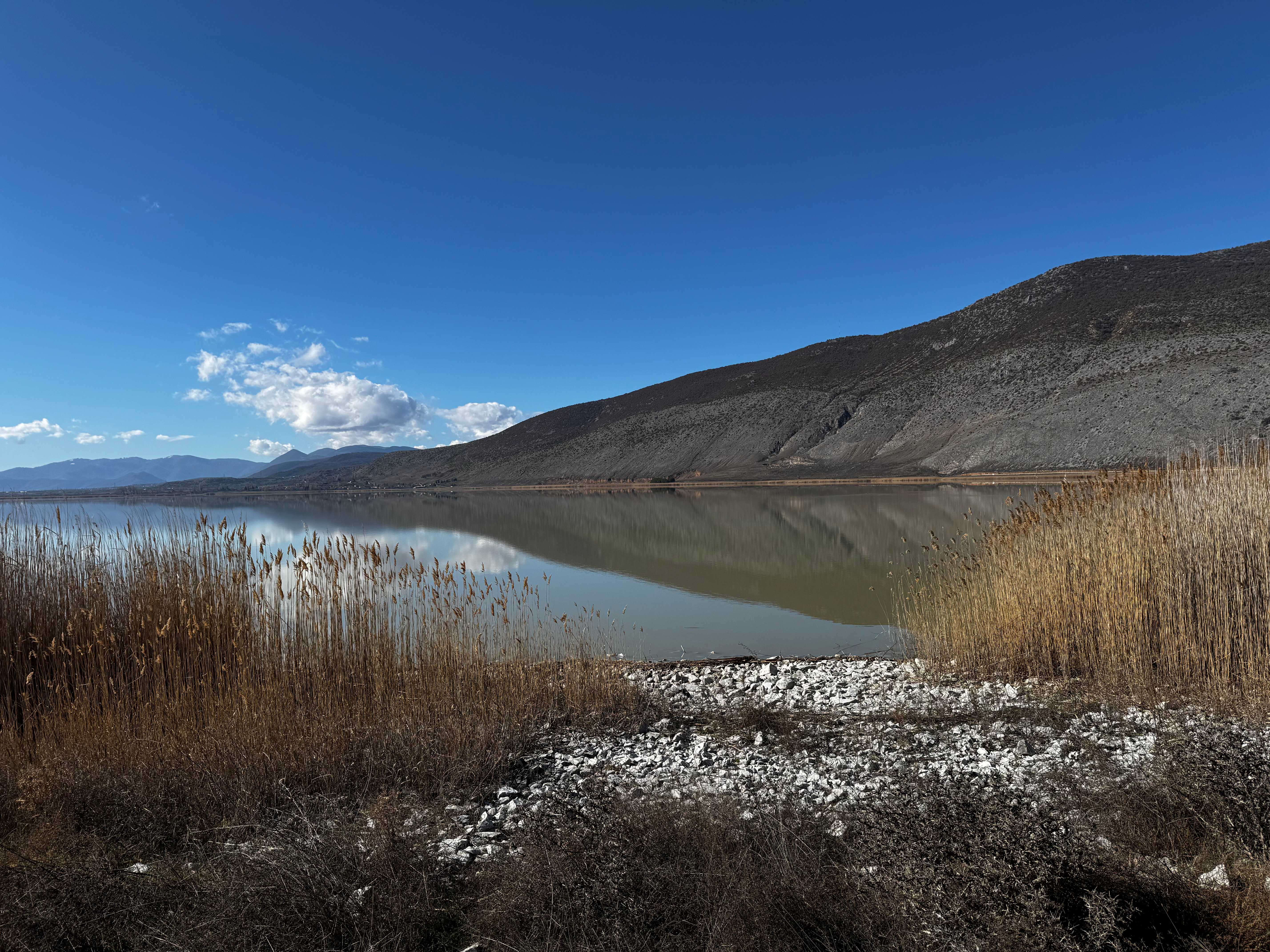
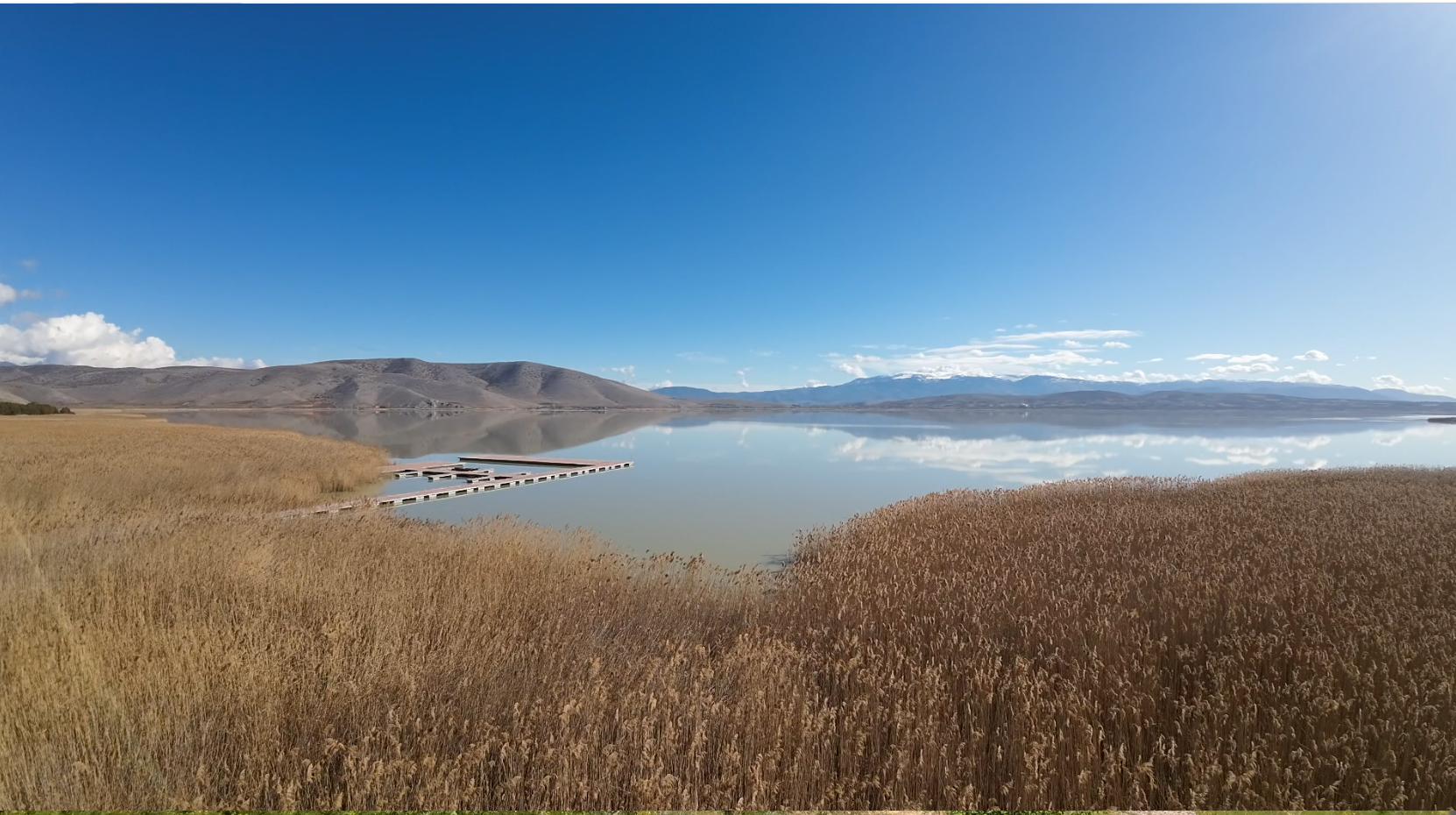
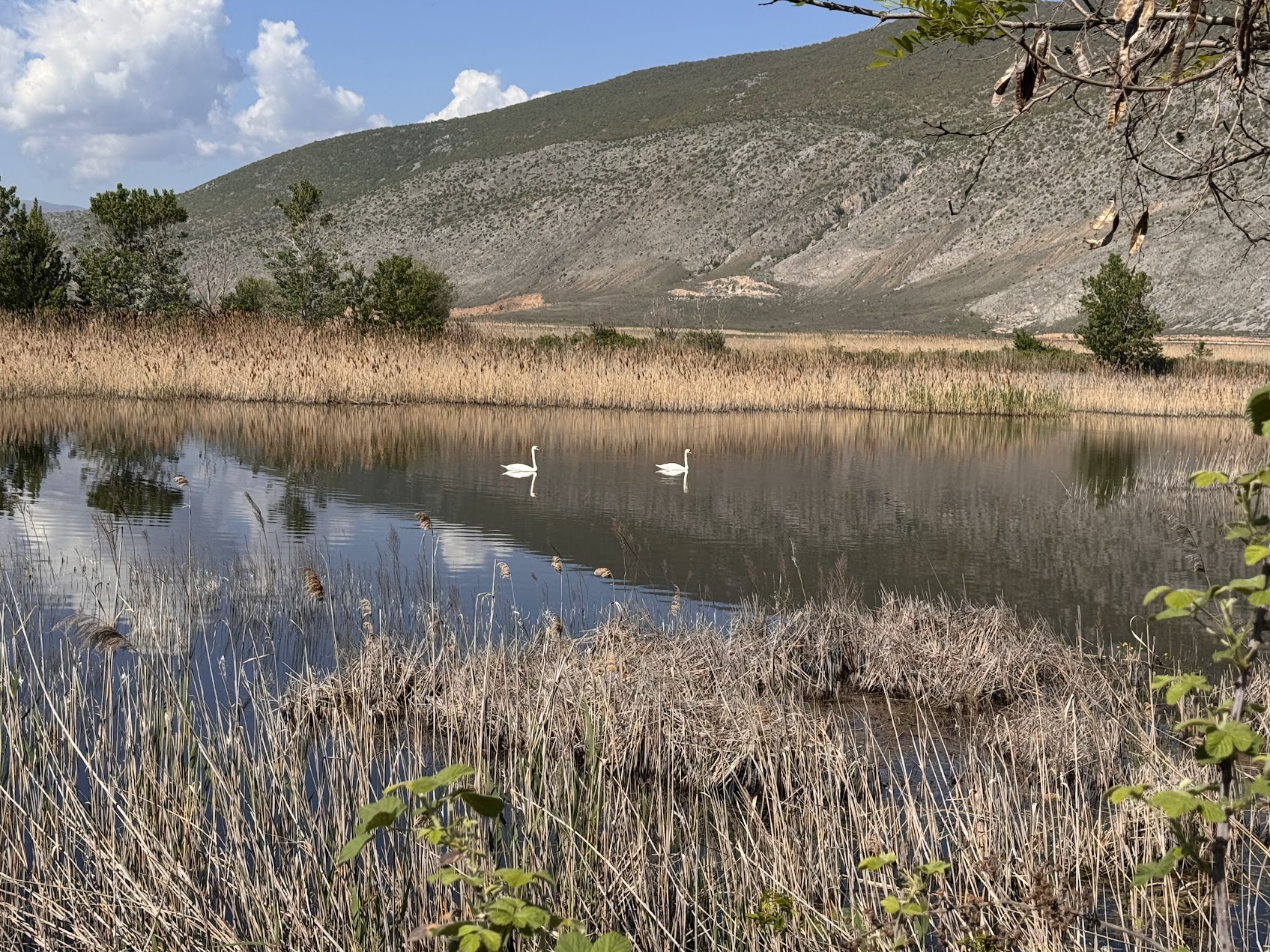
Lake Petron is a beautiful lake in the Municipality of Amyntaio, located at the foot of Mount Voras (Kaimaktsalan). Together with Lakes Vegoritida, Cheimaditida, and Zazari, they form the lakes of the Eordaia hydrological basin. The four lakes are considered the remains of the ancient Great Lake of Eordaia, which covered an area of 1,000 square kilometers and reached a depth of 250 meters. They are connected by artificial canals built in the late 1960s. Thus, Lake Petron is supplied by Lake Cheimaditida and, in turn, supplies Lake Vegoritida. Of course, in recent years, excessive water withdrawal for irrigation—whether directly from the lake or via wells—has caused the lake’s water level to drop, resulting in the pipeline network connecting the lakes becoming inactive.
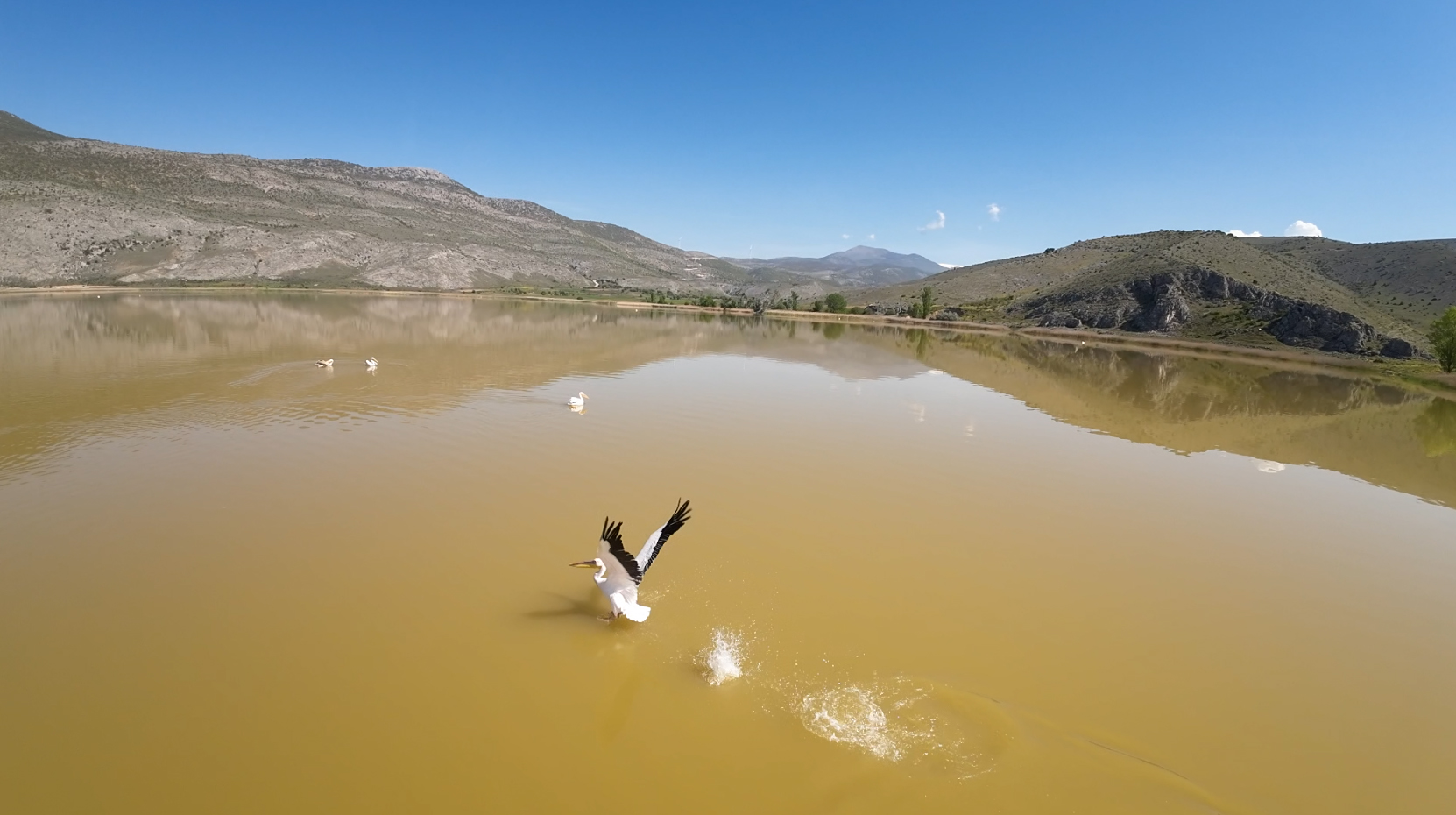
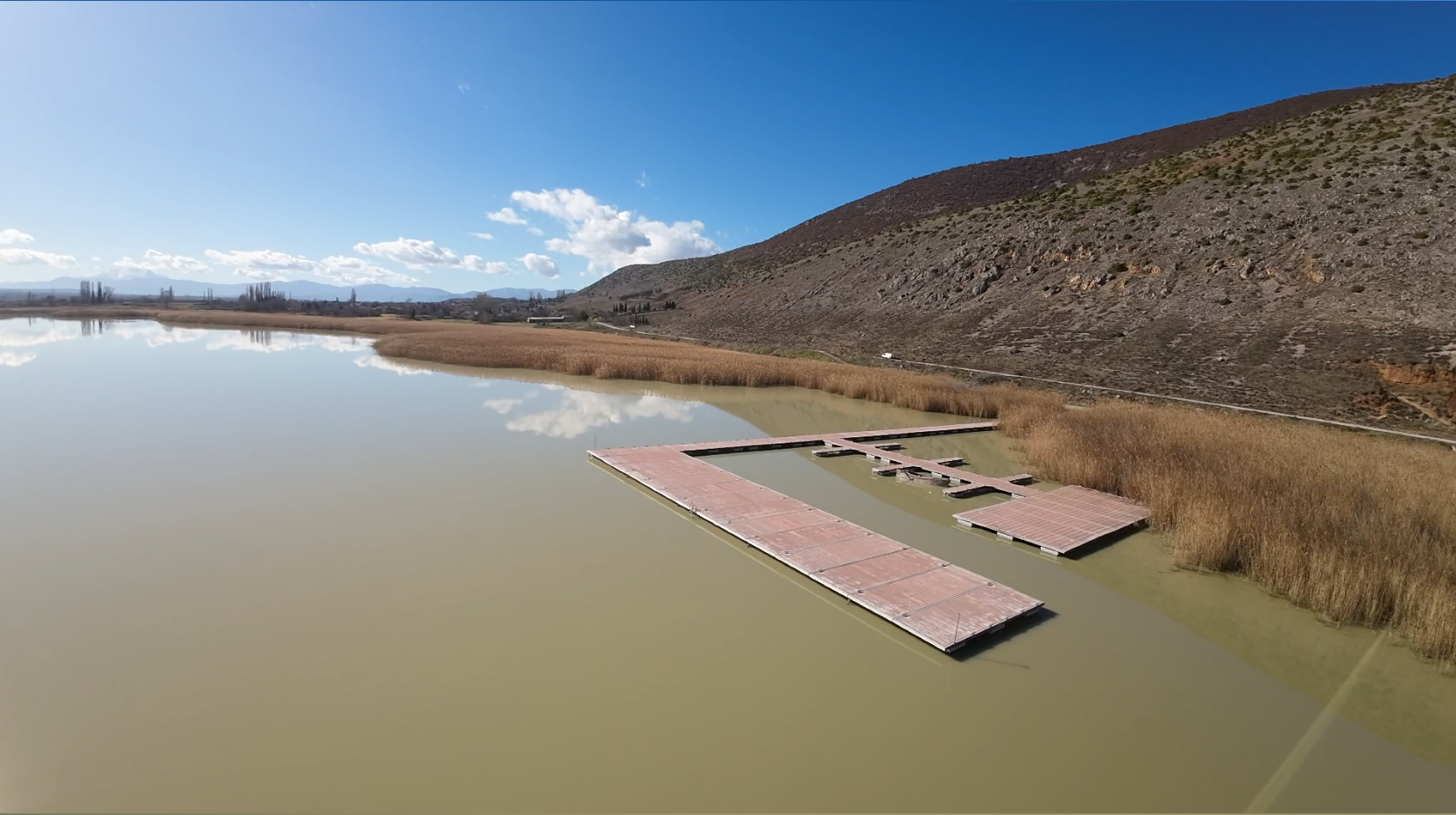
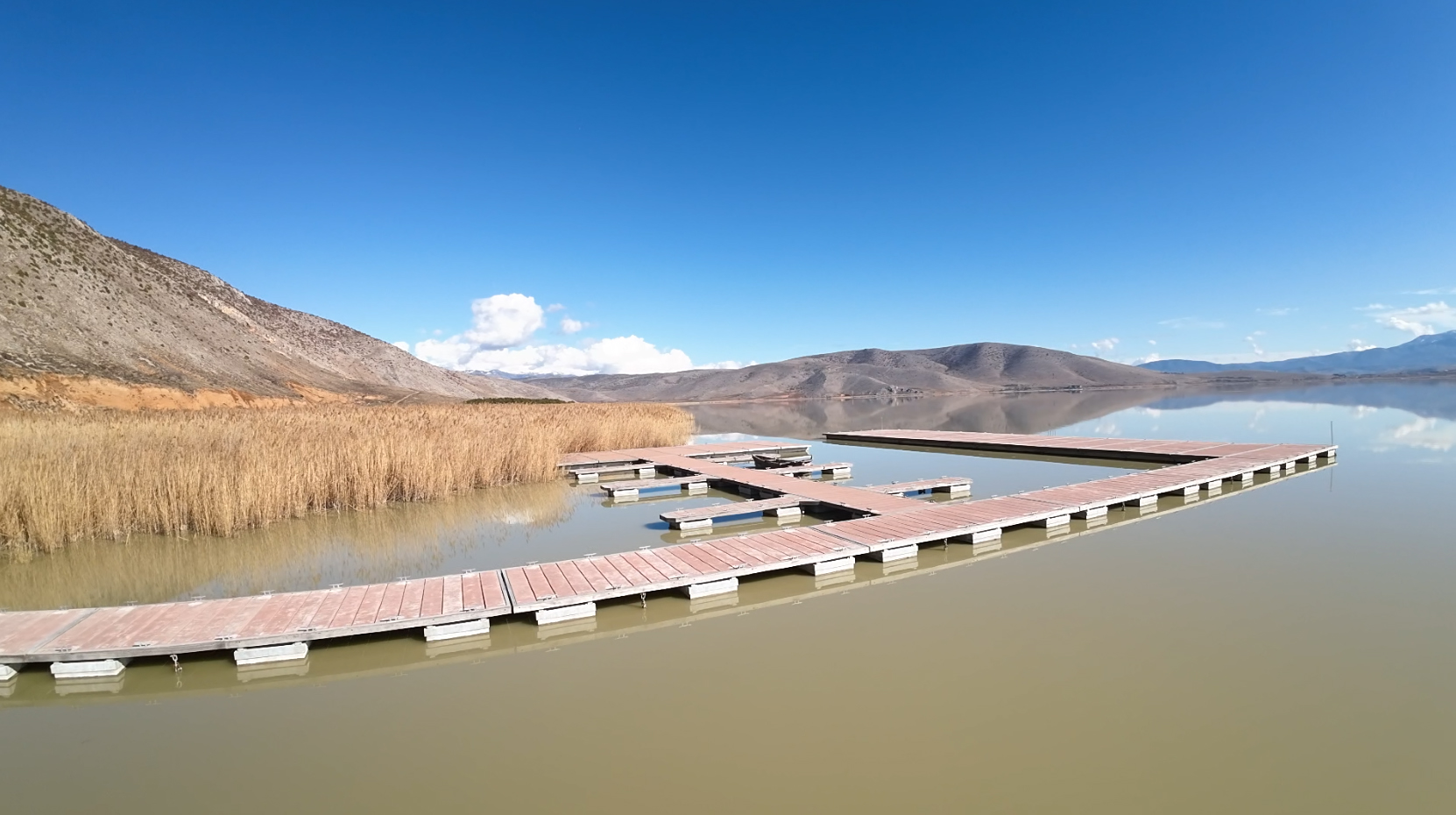
Lake Petron is located less than 5 km west of Lake Vegoritis and just 2 km north of the city of Amyntaio. Its depth ranges from 1 to 5 m, its water level is at approximately 571 m, and its surface area is approximately 12.6 km².
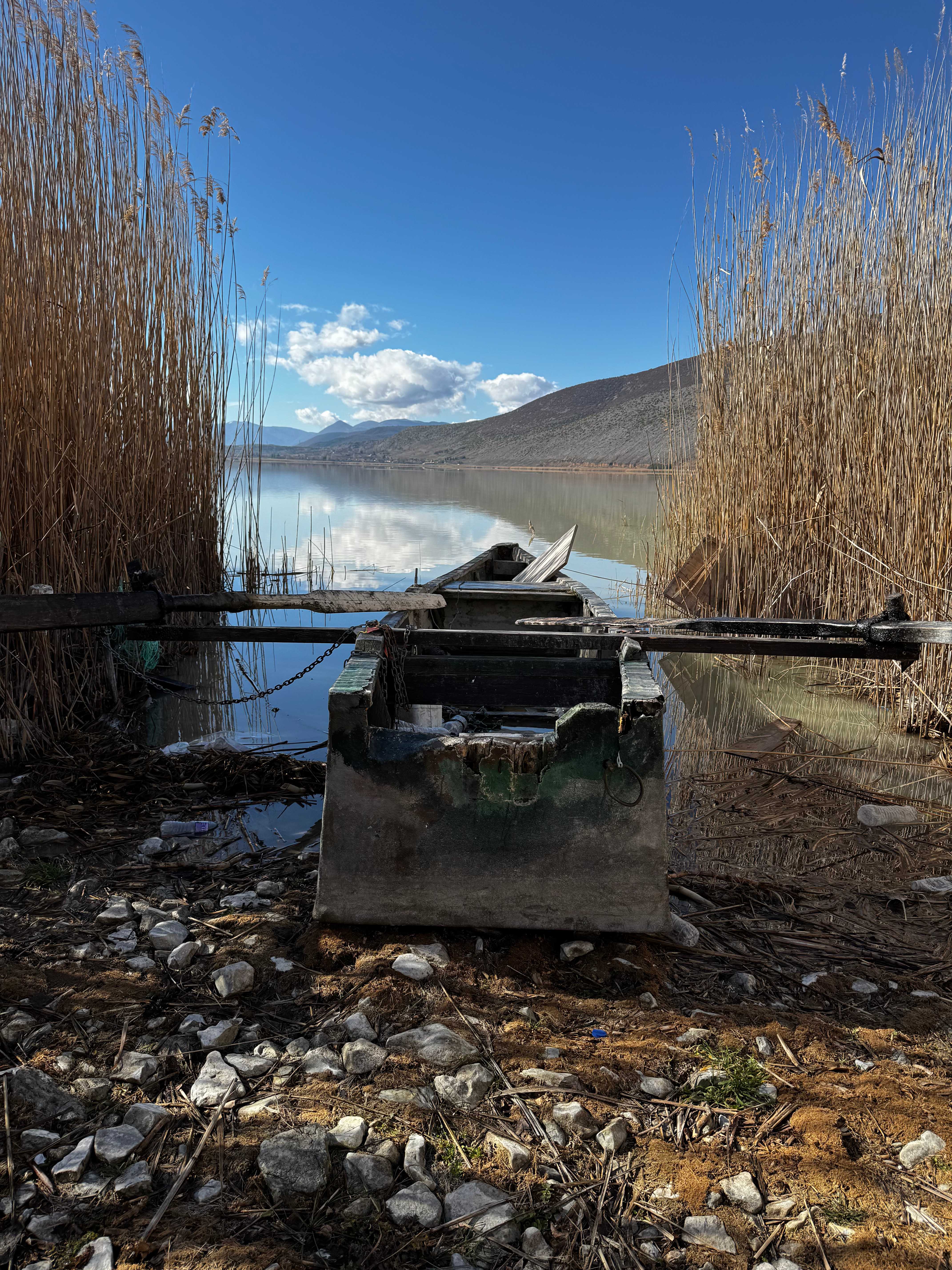
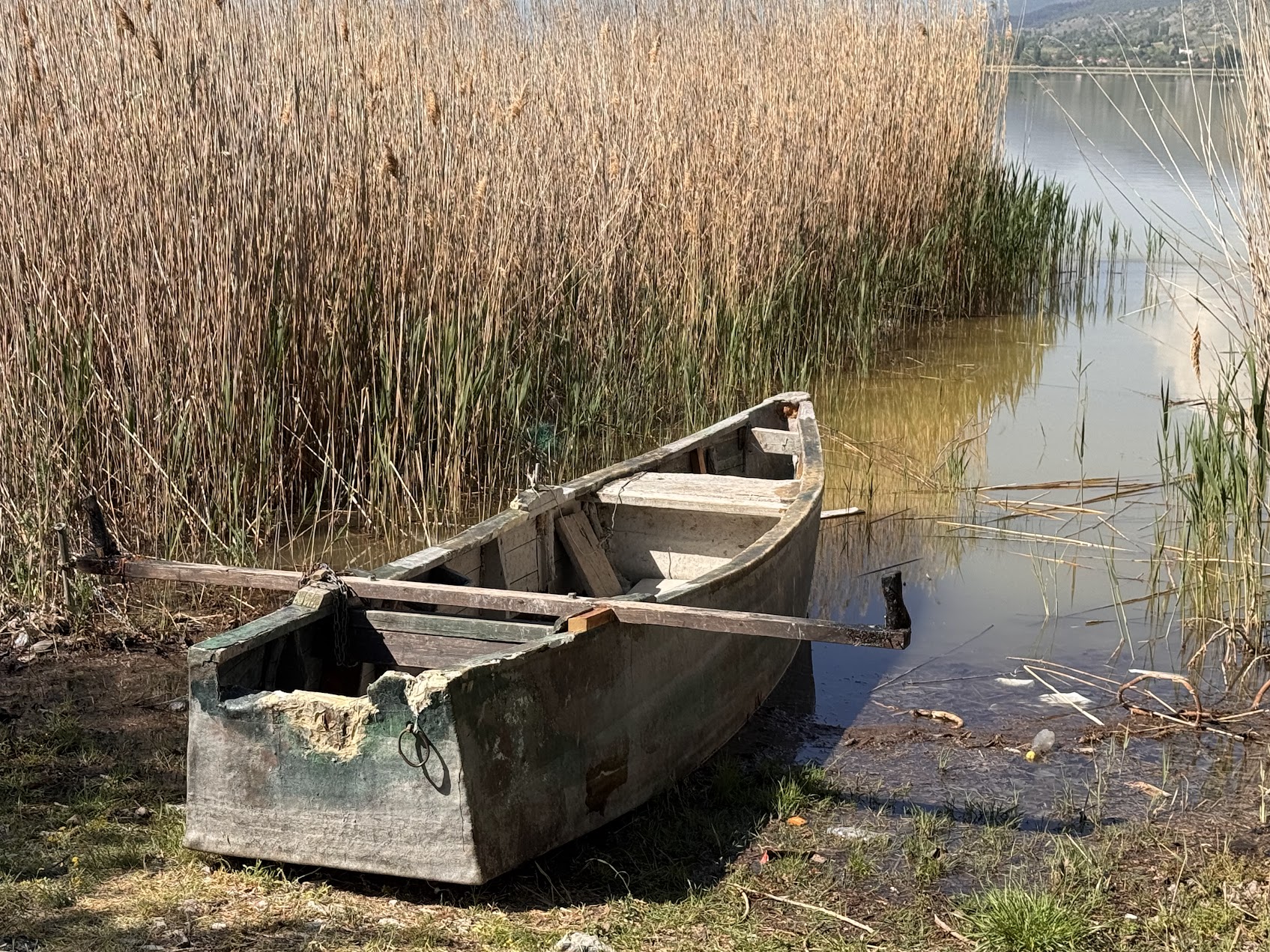
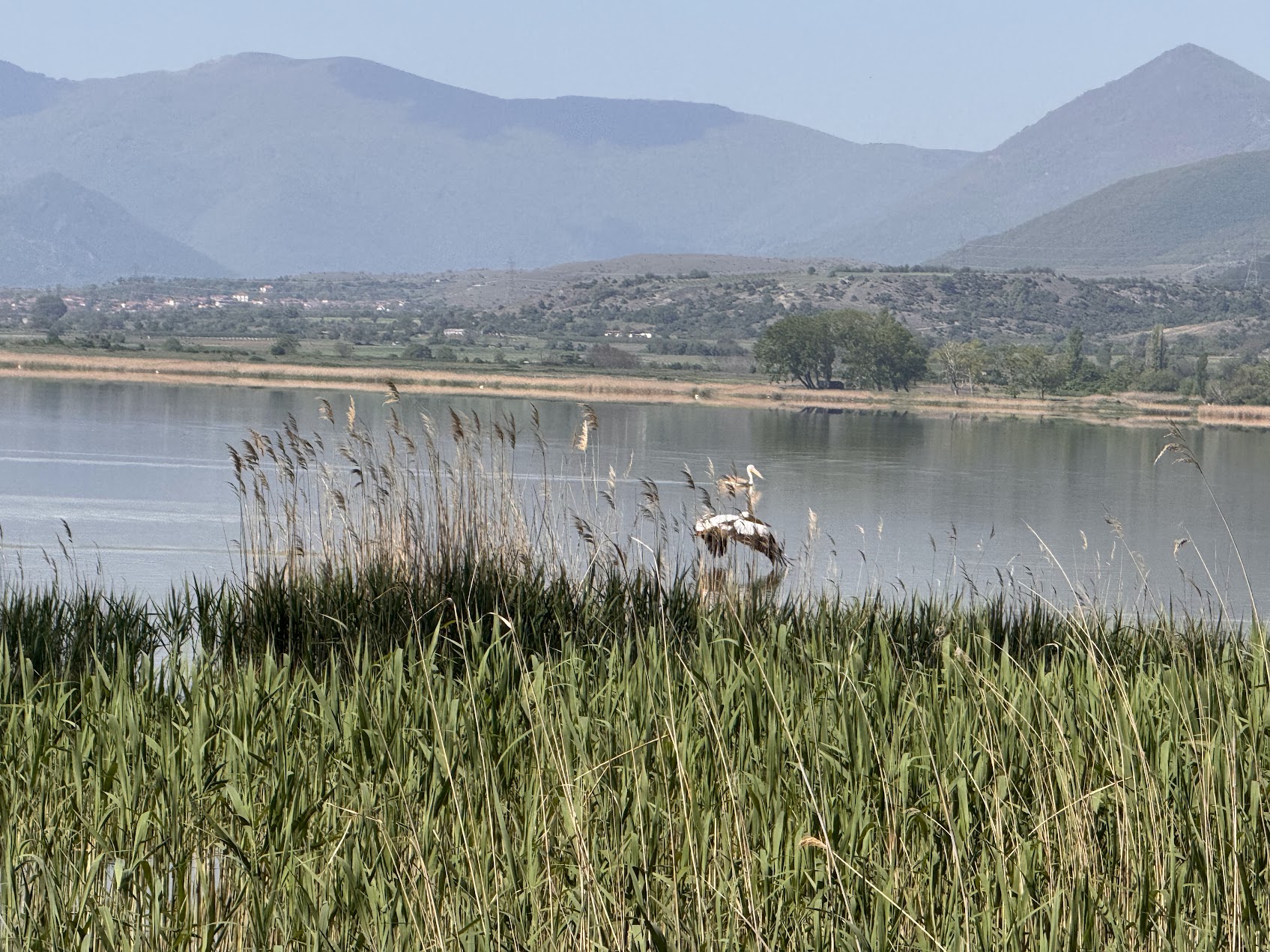
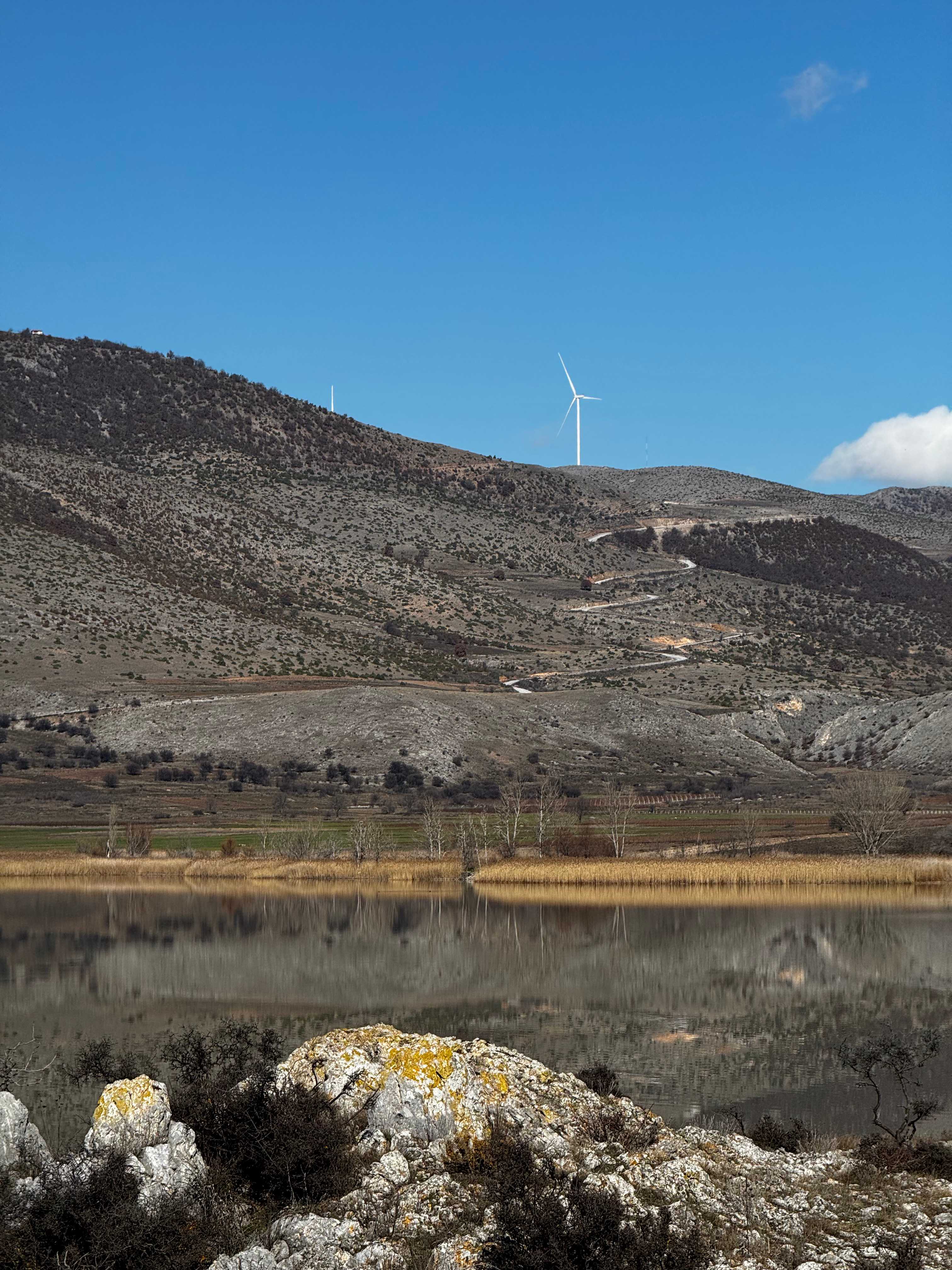
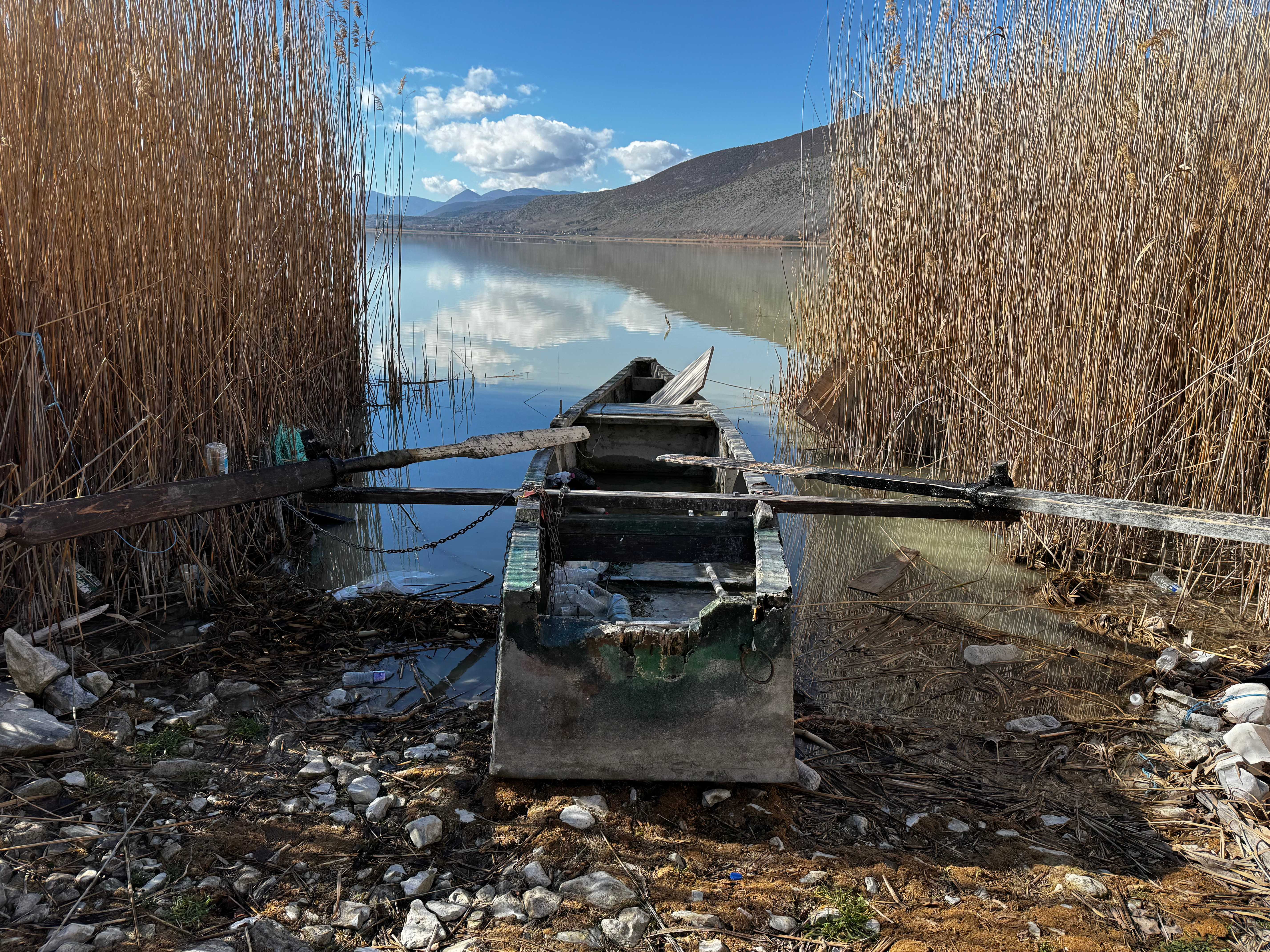
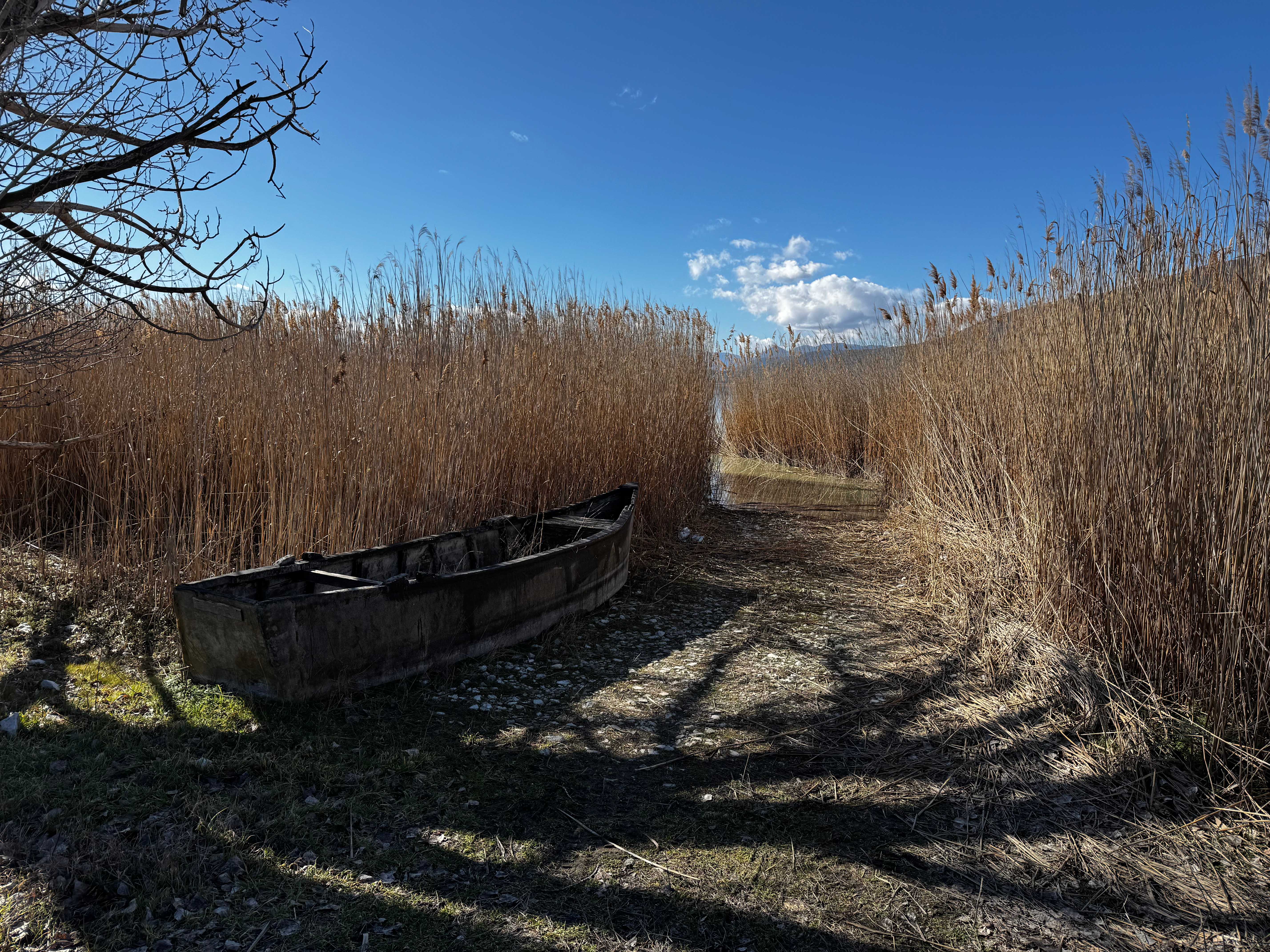
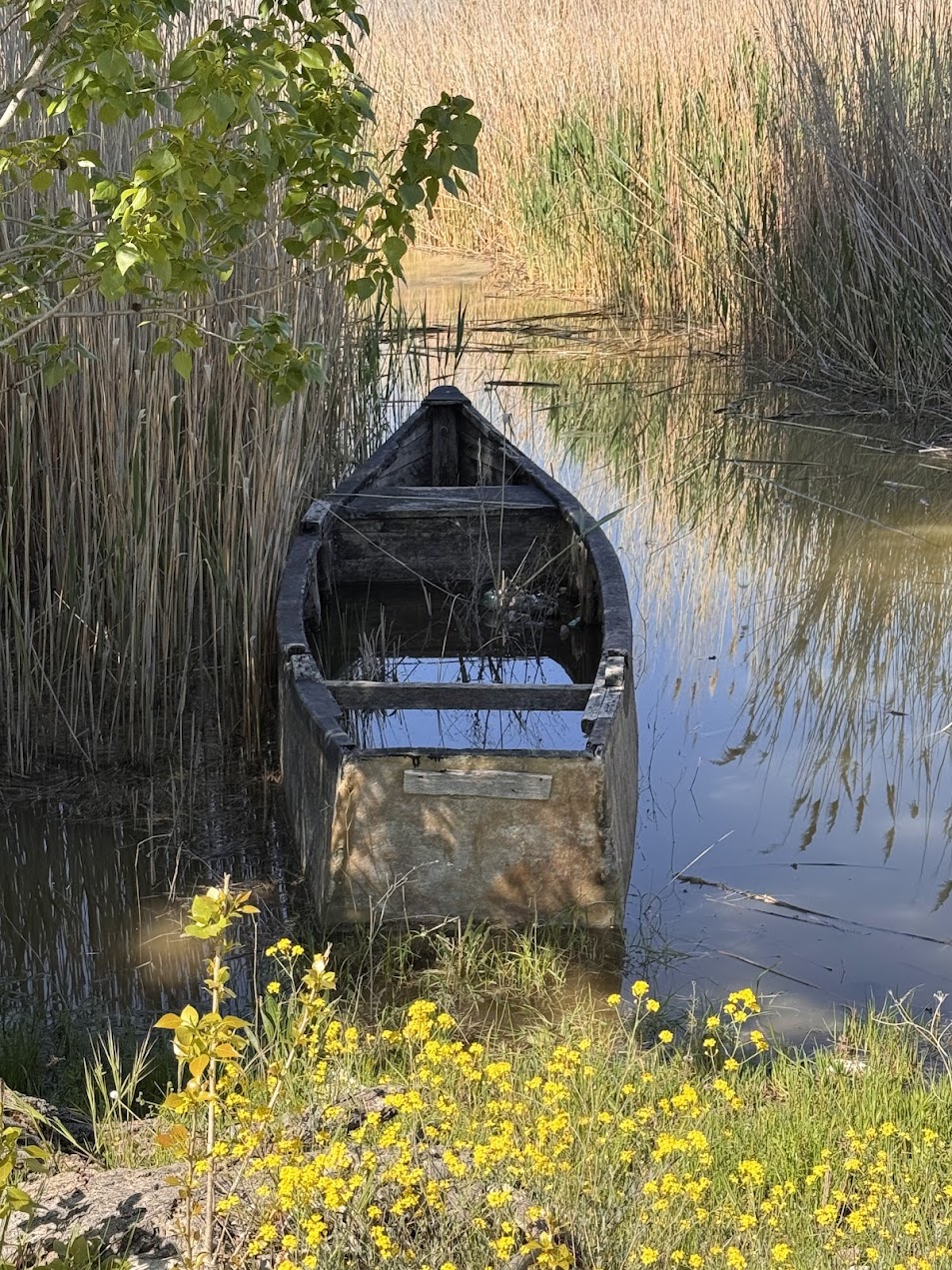
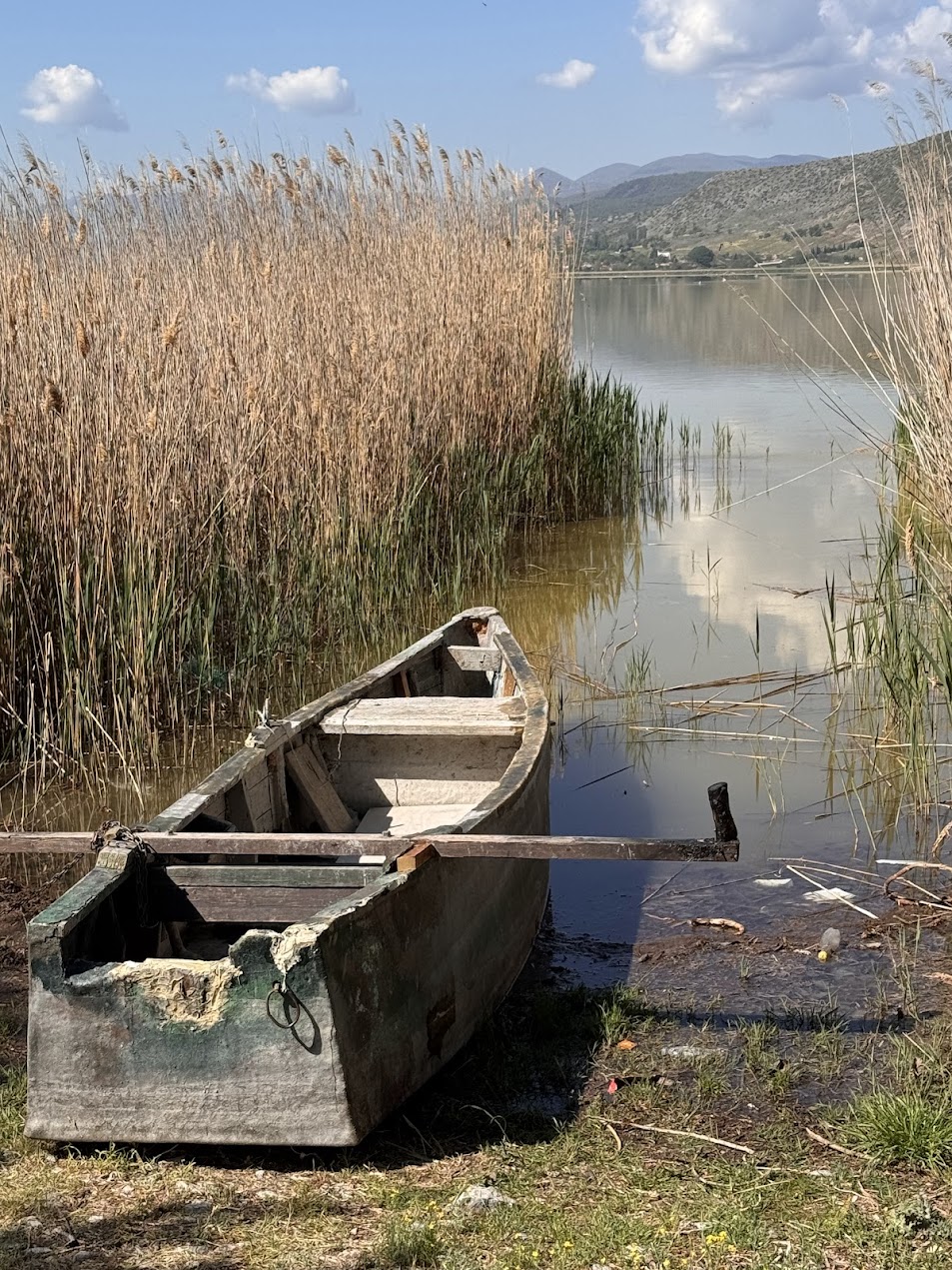
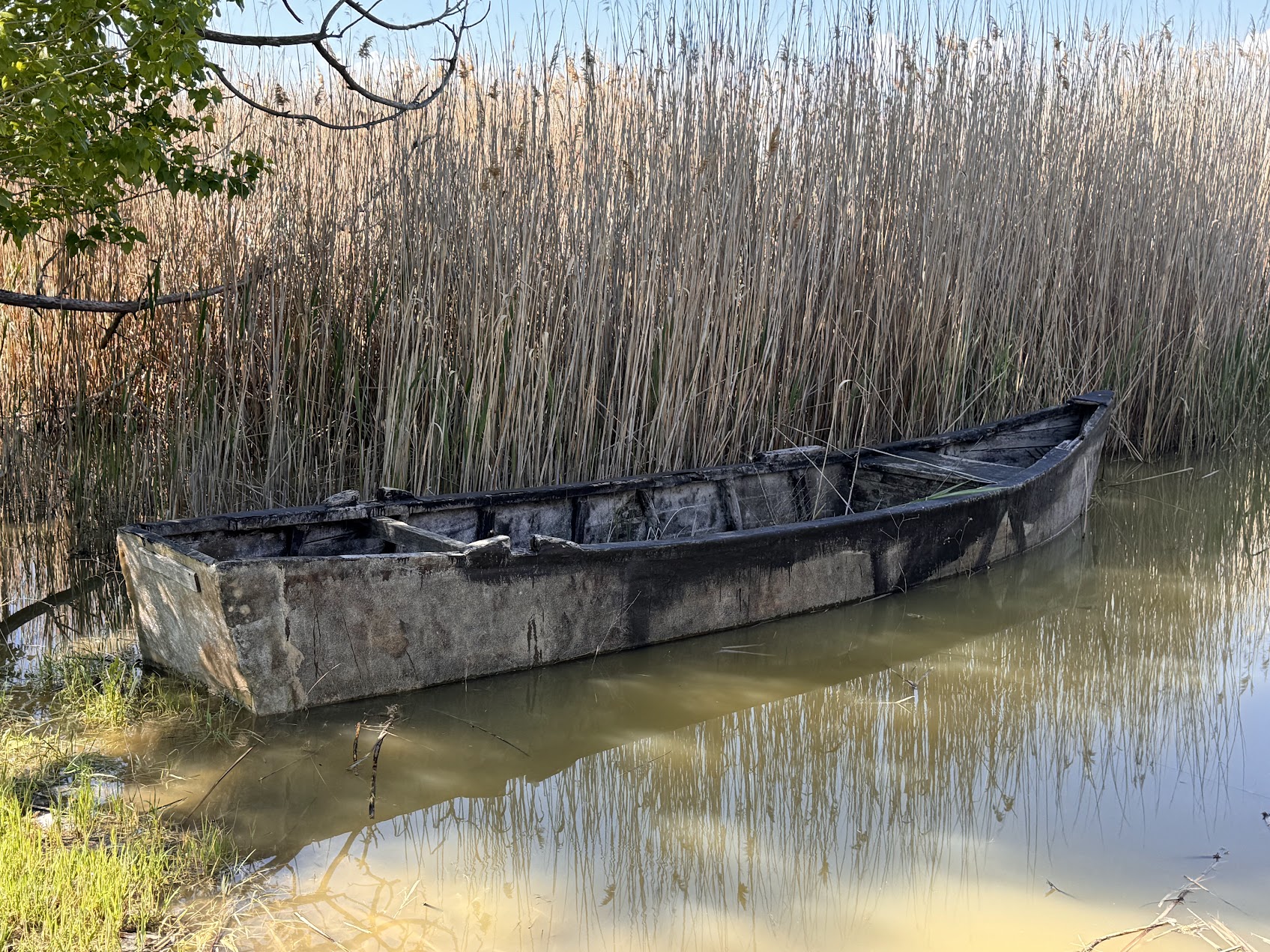
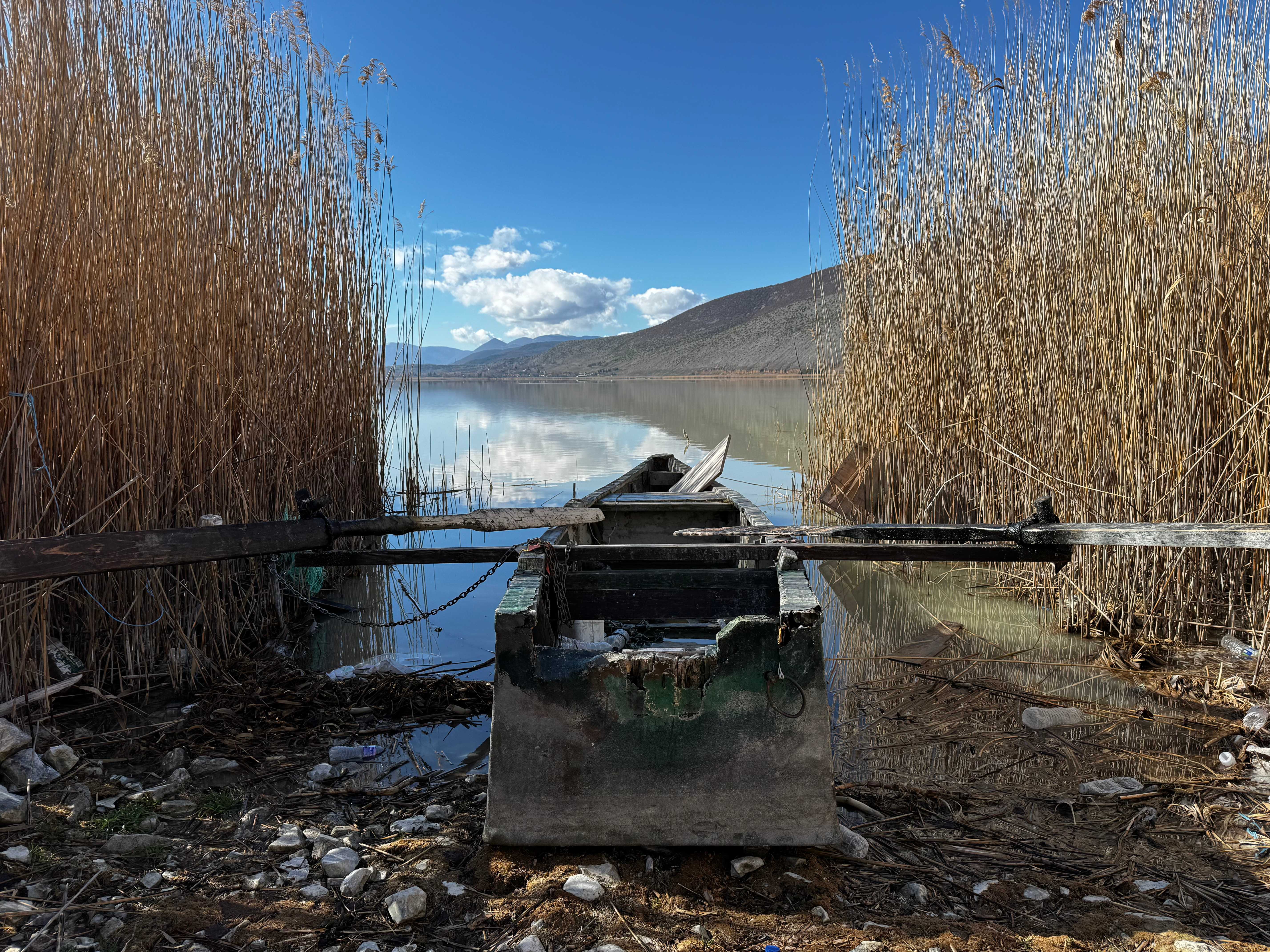
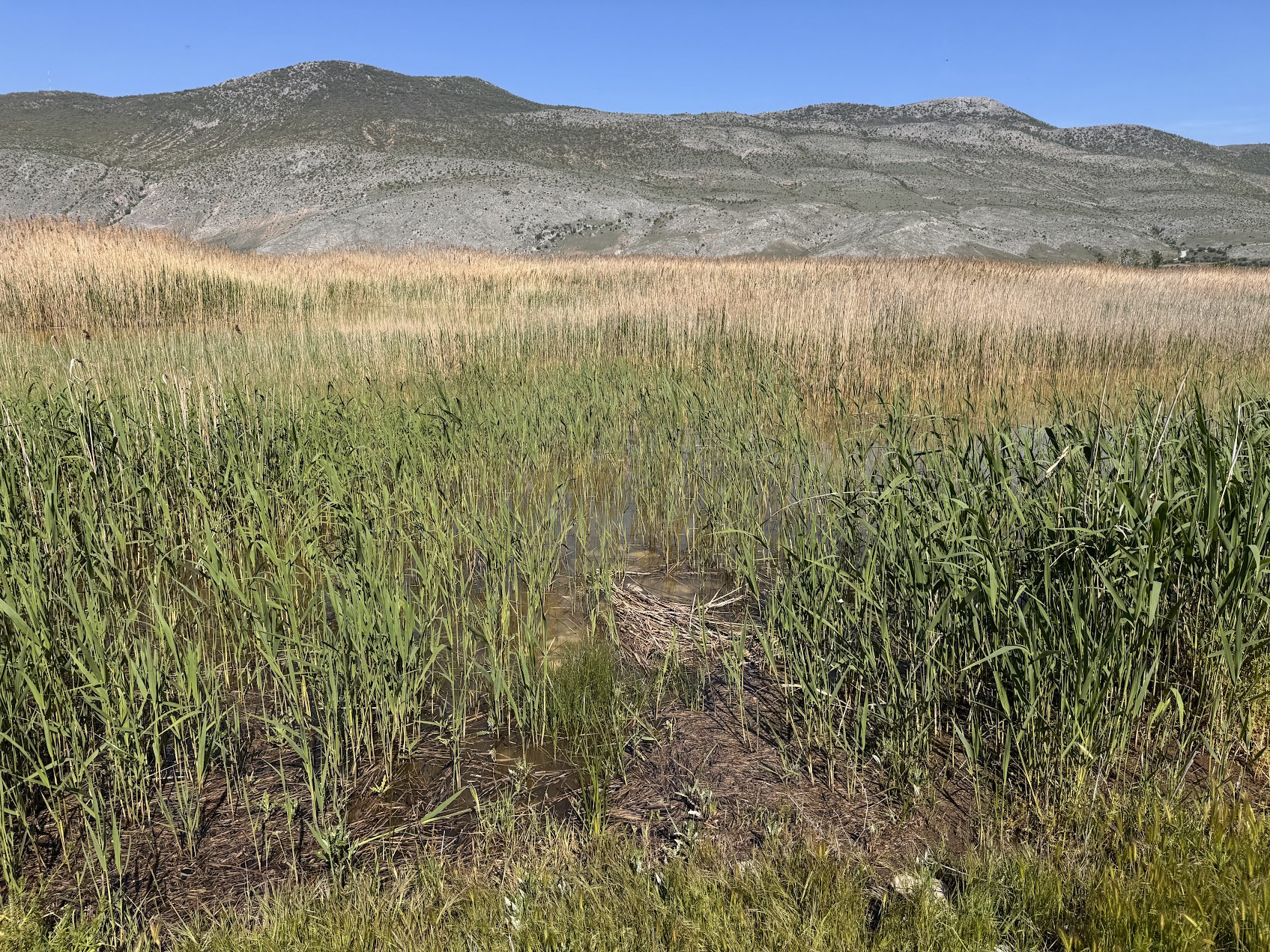
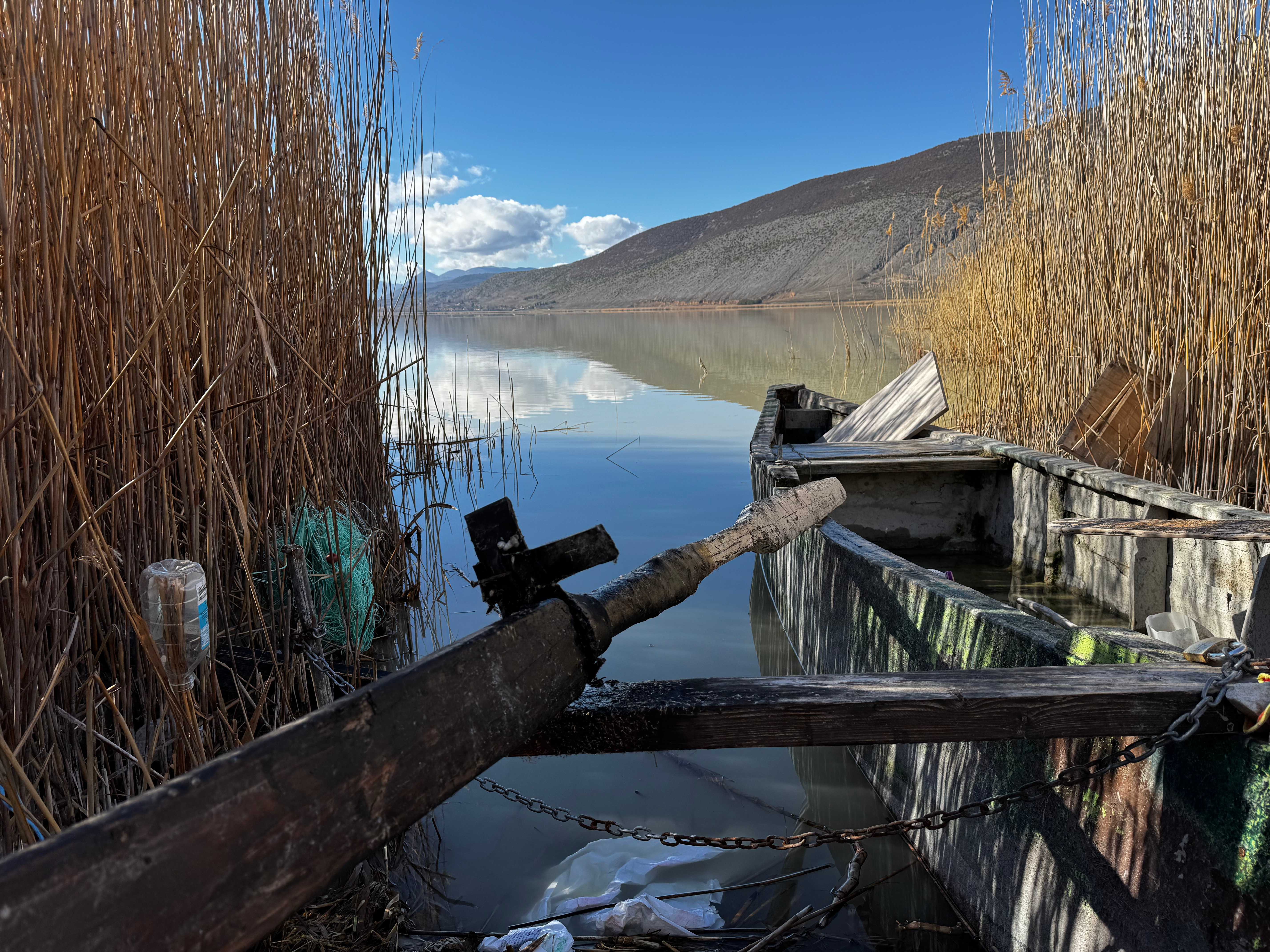
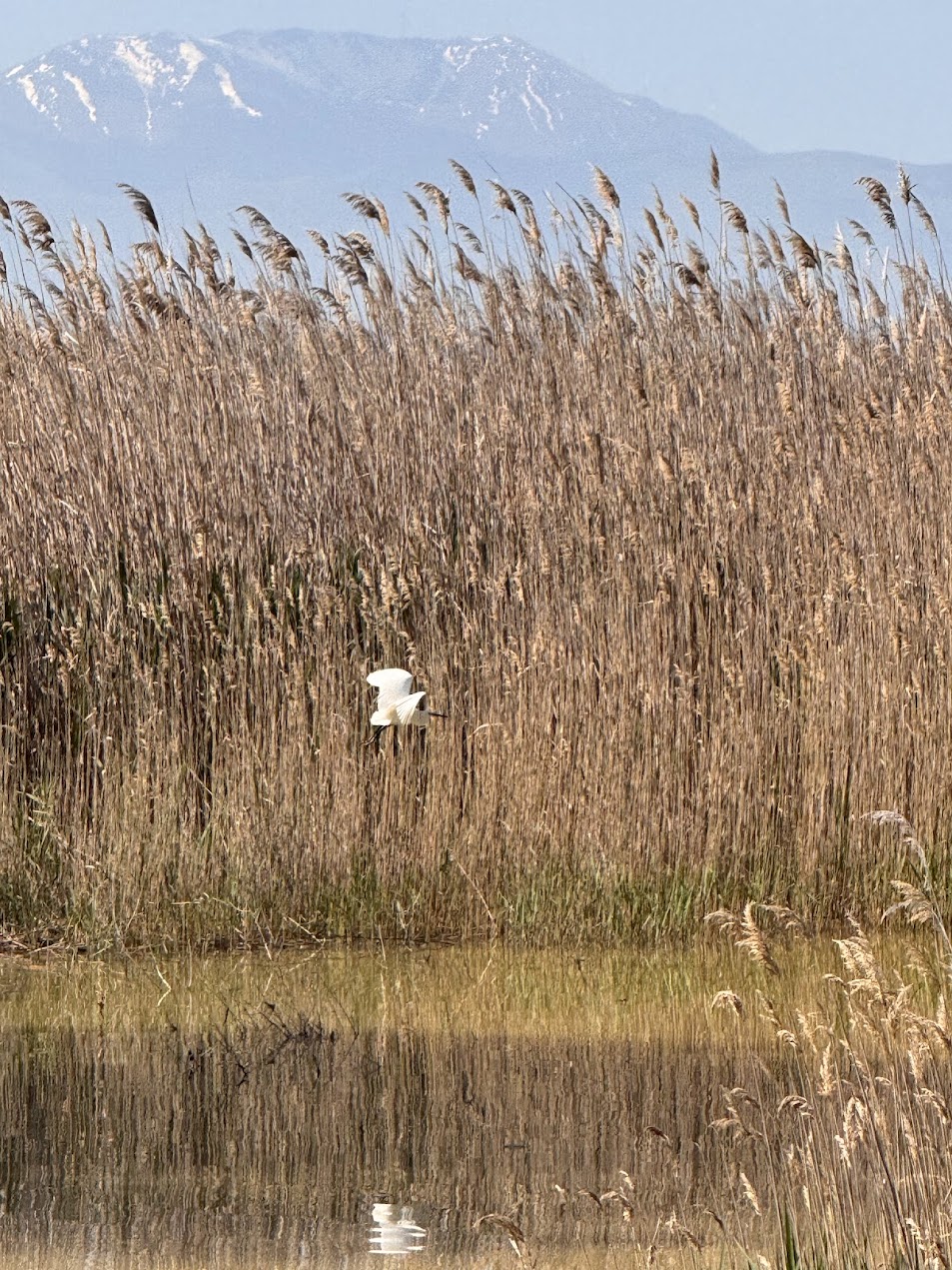
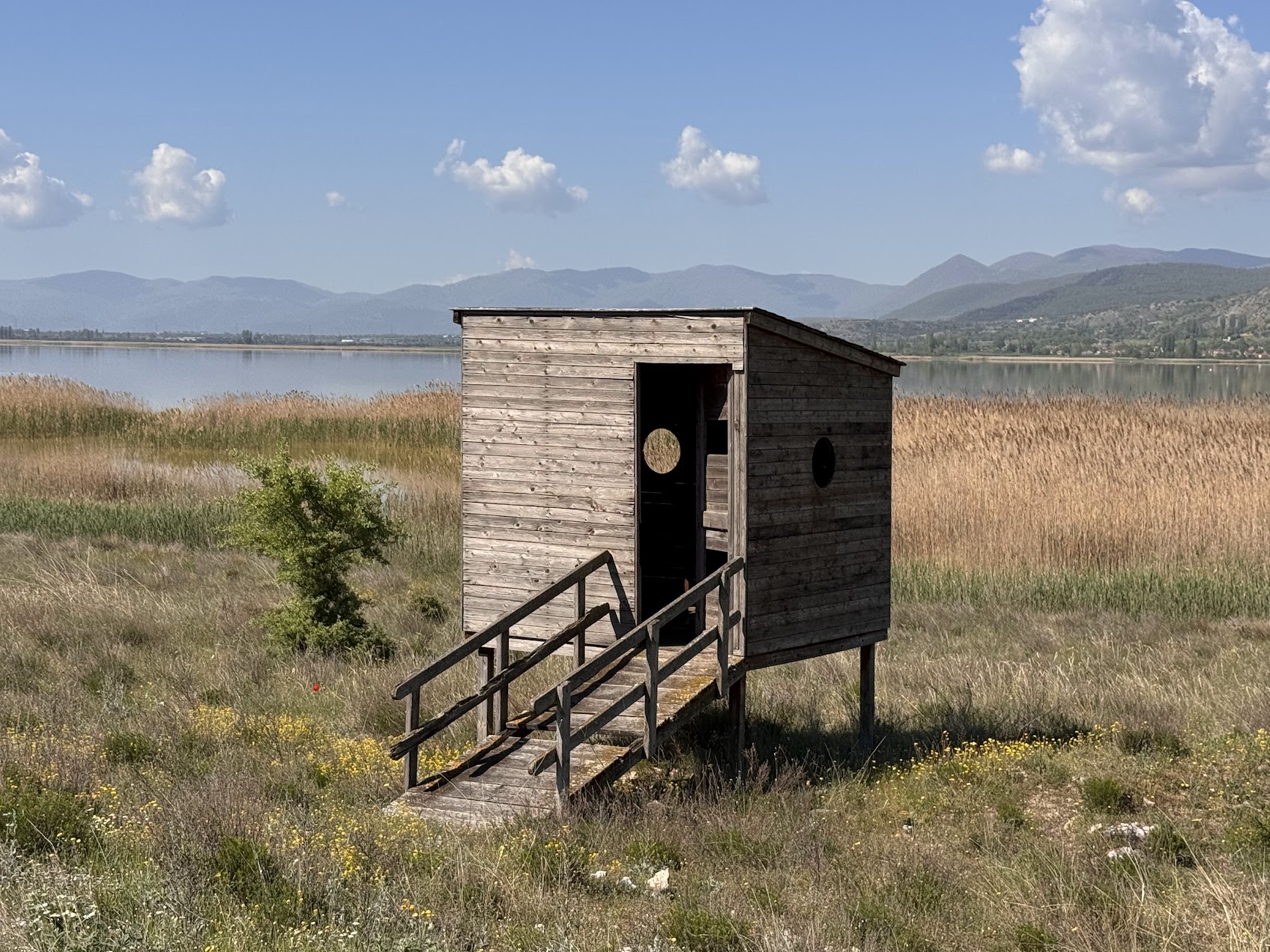
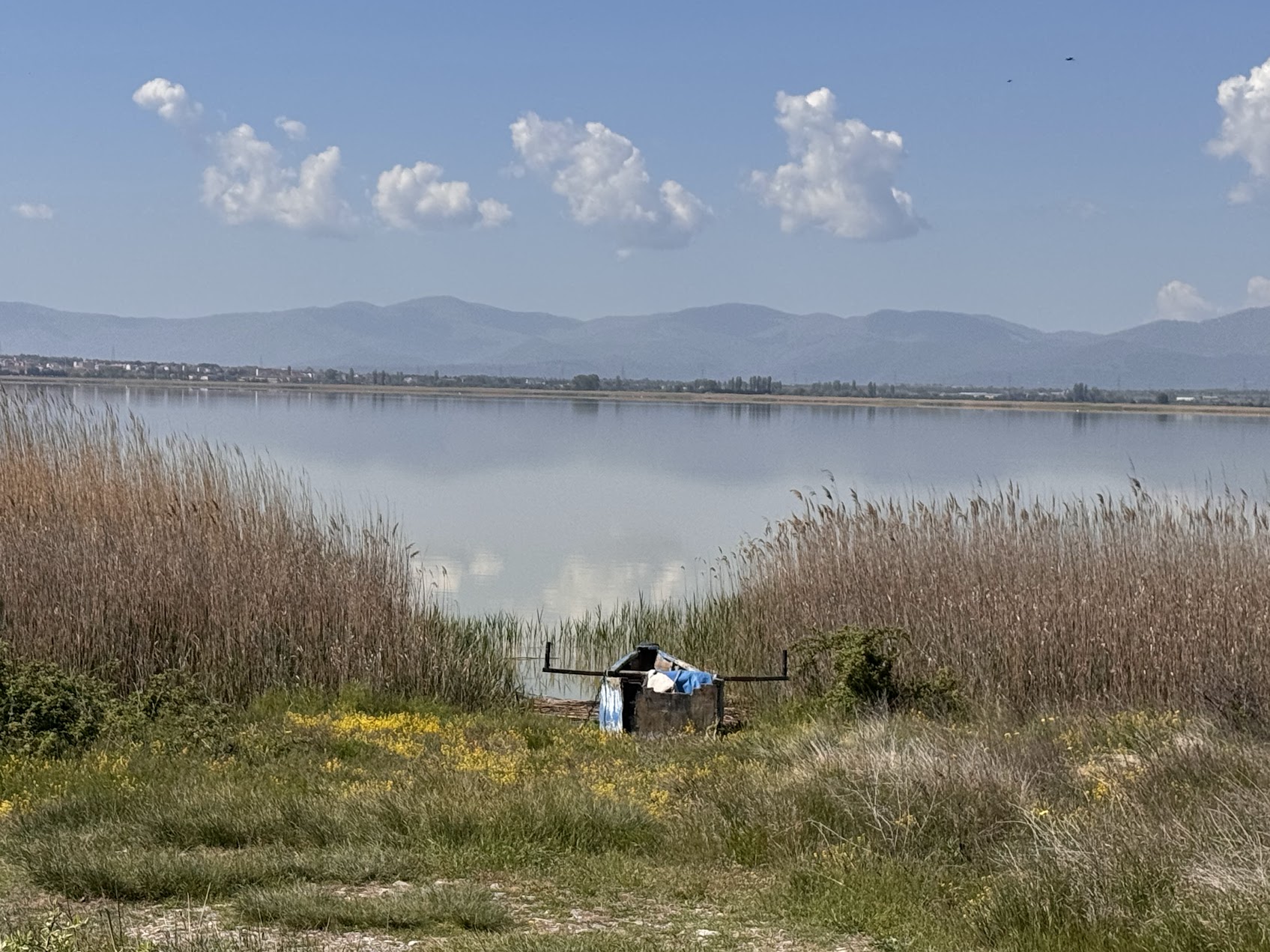
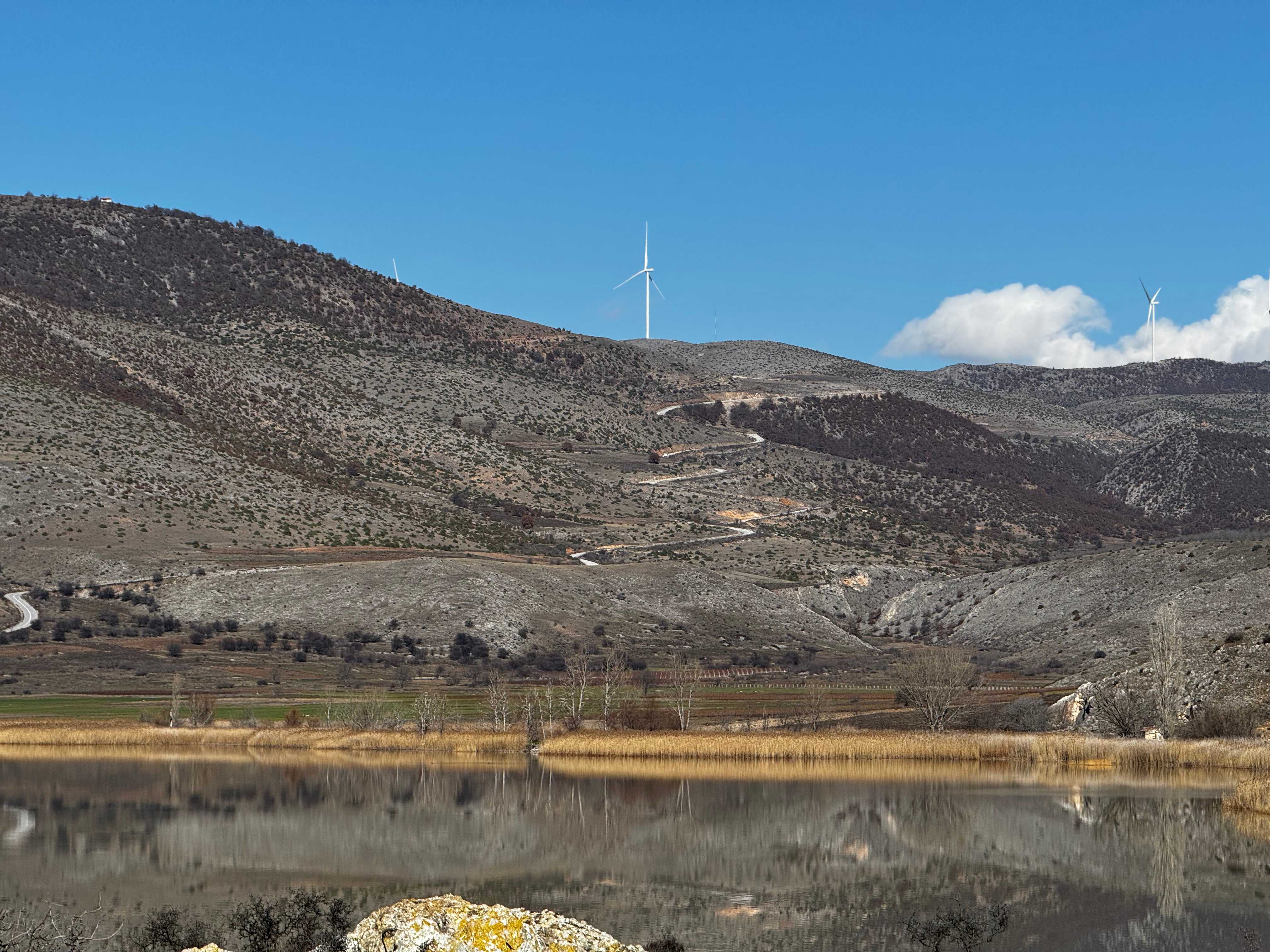
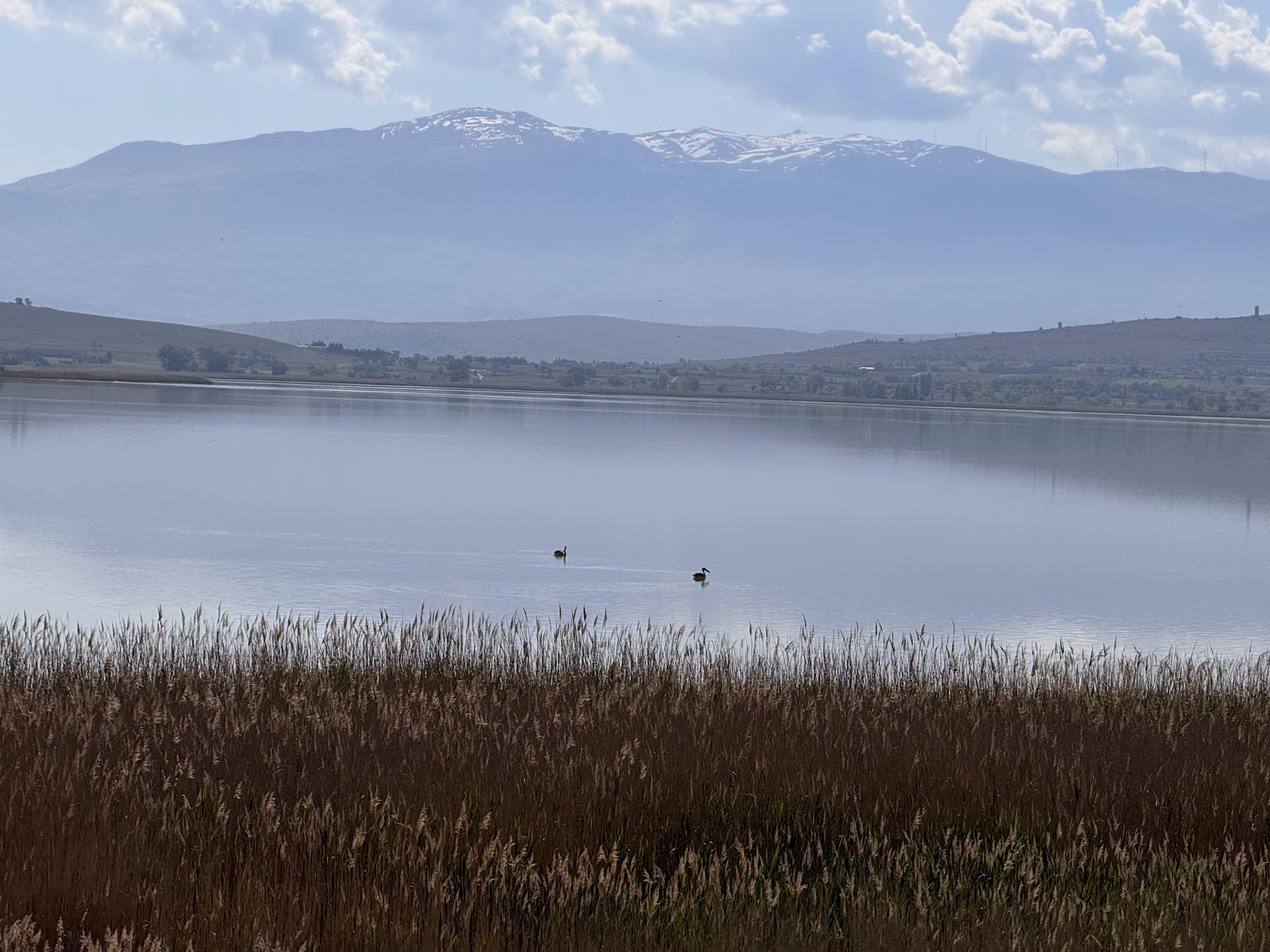
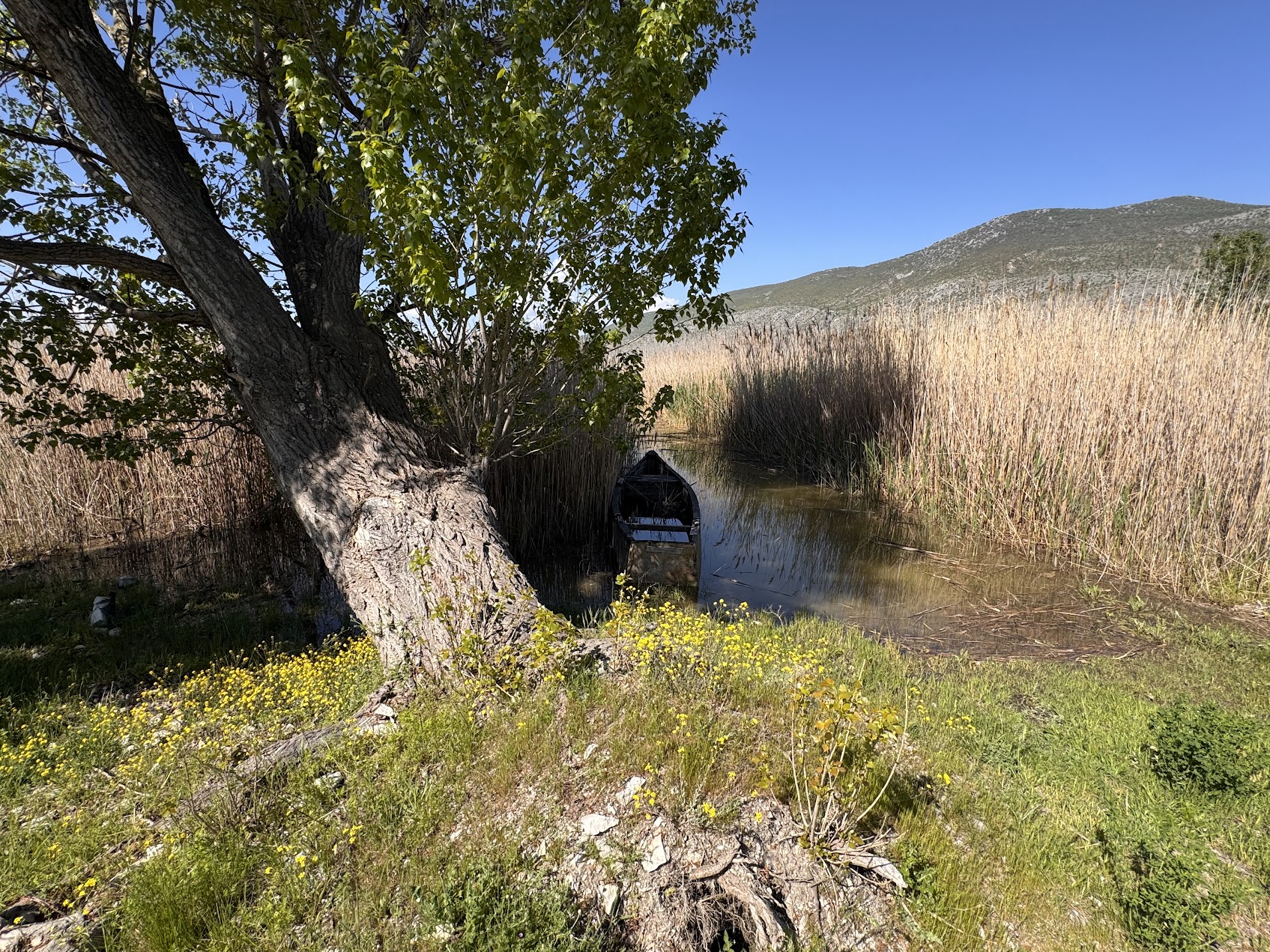
The limestone hills surrounding the lake are barren, and denser vegetation grows only along the streams that flow into it. All around the lake, dense reed beds of the species Phragmites australis grow, providing shelter for many birds. To the south of the lake lies a large expanse of wet meadows that flood with water in the winter and spring and maintain an appropriate water level in the summer, creating ideal conditions for the reproduction of many species of amphibians and fish. Single willows and alders rise around the lake. The wetland and aquatic vegetation includes 42 species, such as the cattail Typha angustifolia, Schoenoplextus pectinatus, Vallisneria spiralis, Najas marina, Myriophyllum spicatum, Polygonum amphibium, Zannichelia palustris, Lemna trisulca, Potamogeton pectinatus, Chara hispida, Utricularia vulgaris, the marsh plant Bolboschoenus maritimus, Alisma plantago-aquatica, and others.
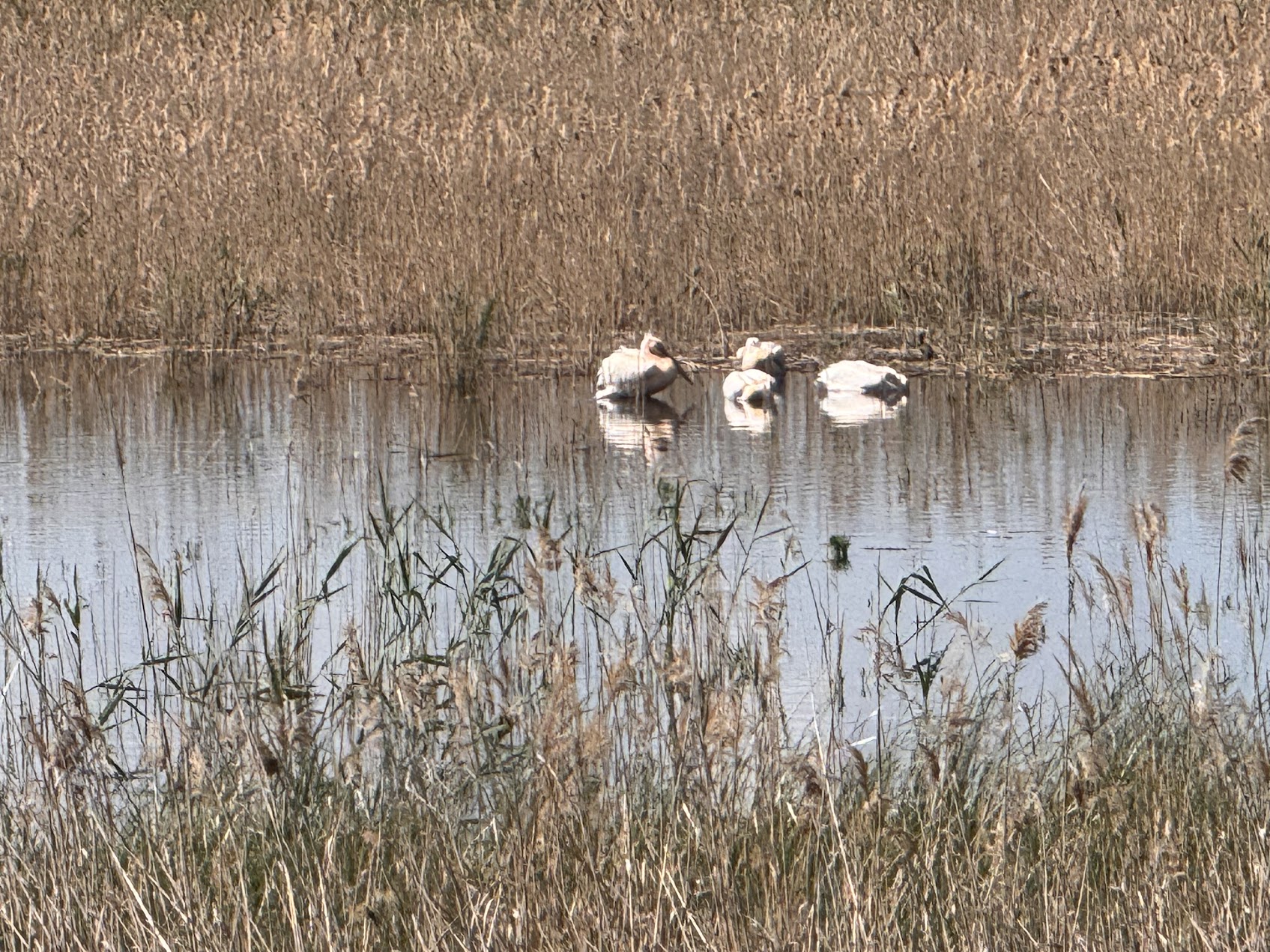
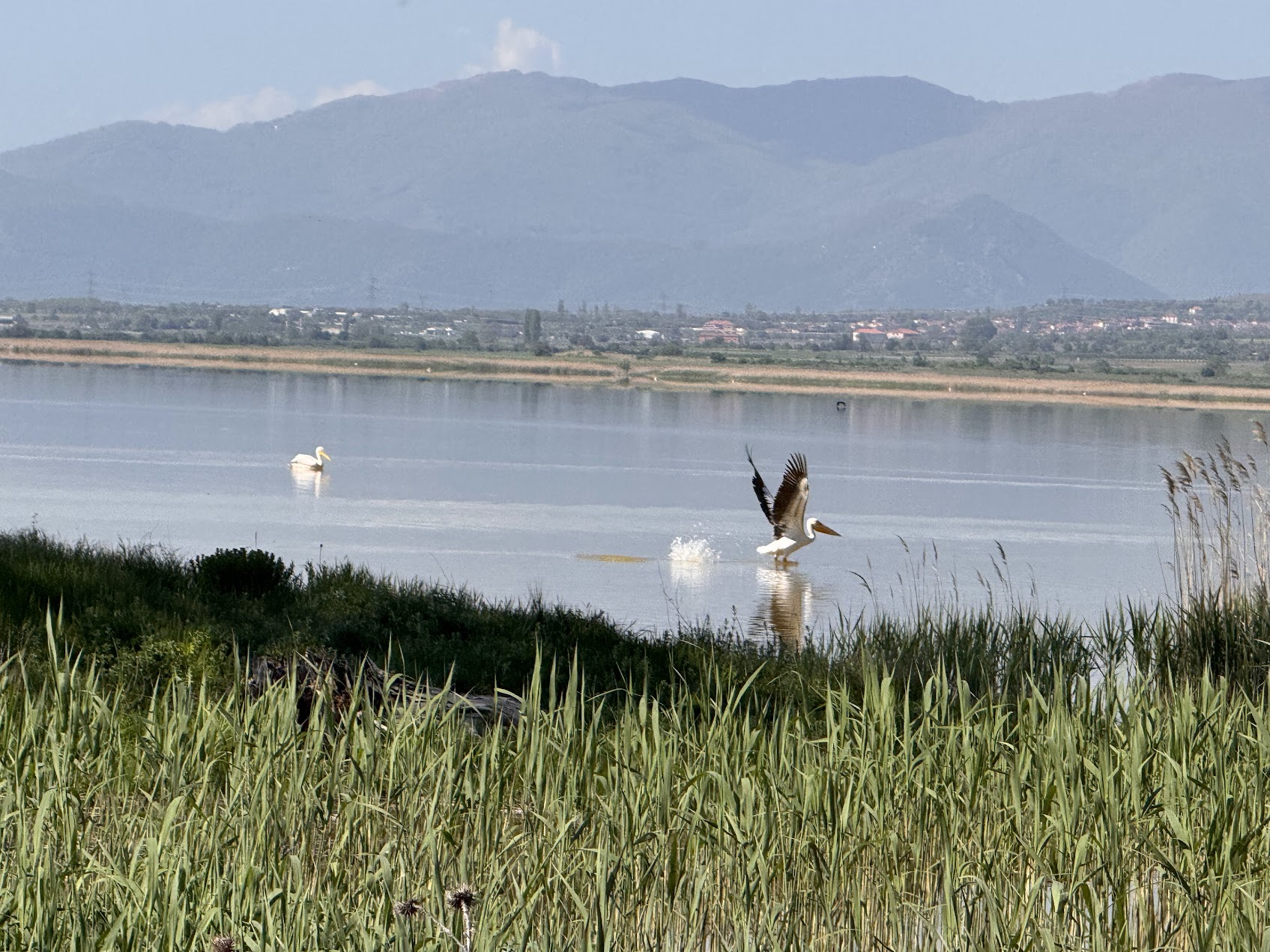
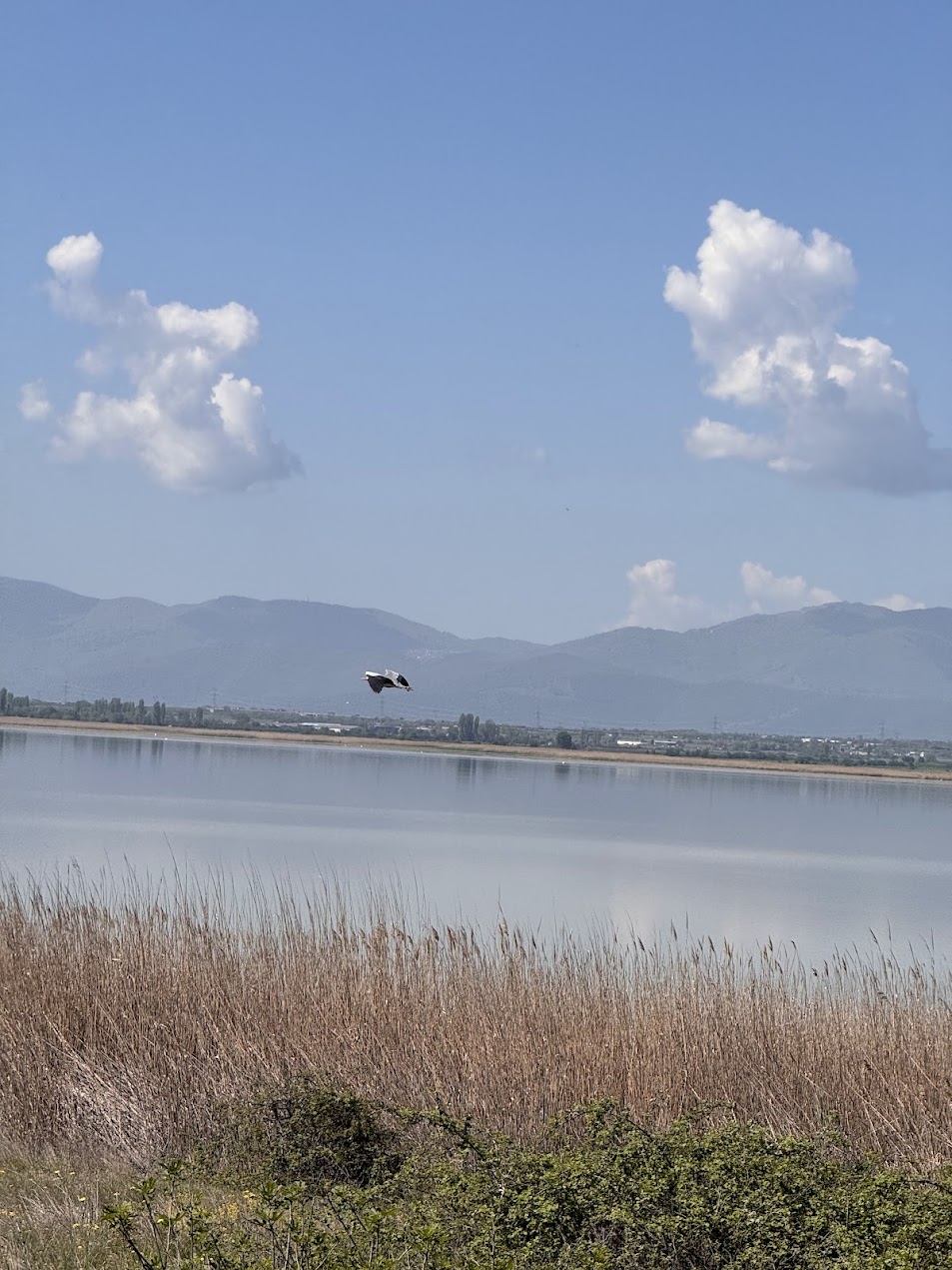
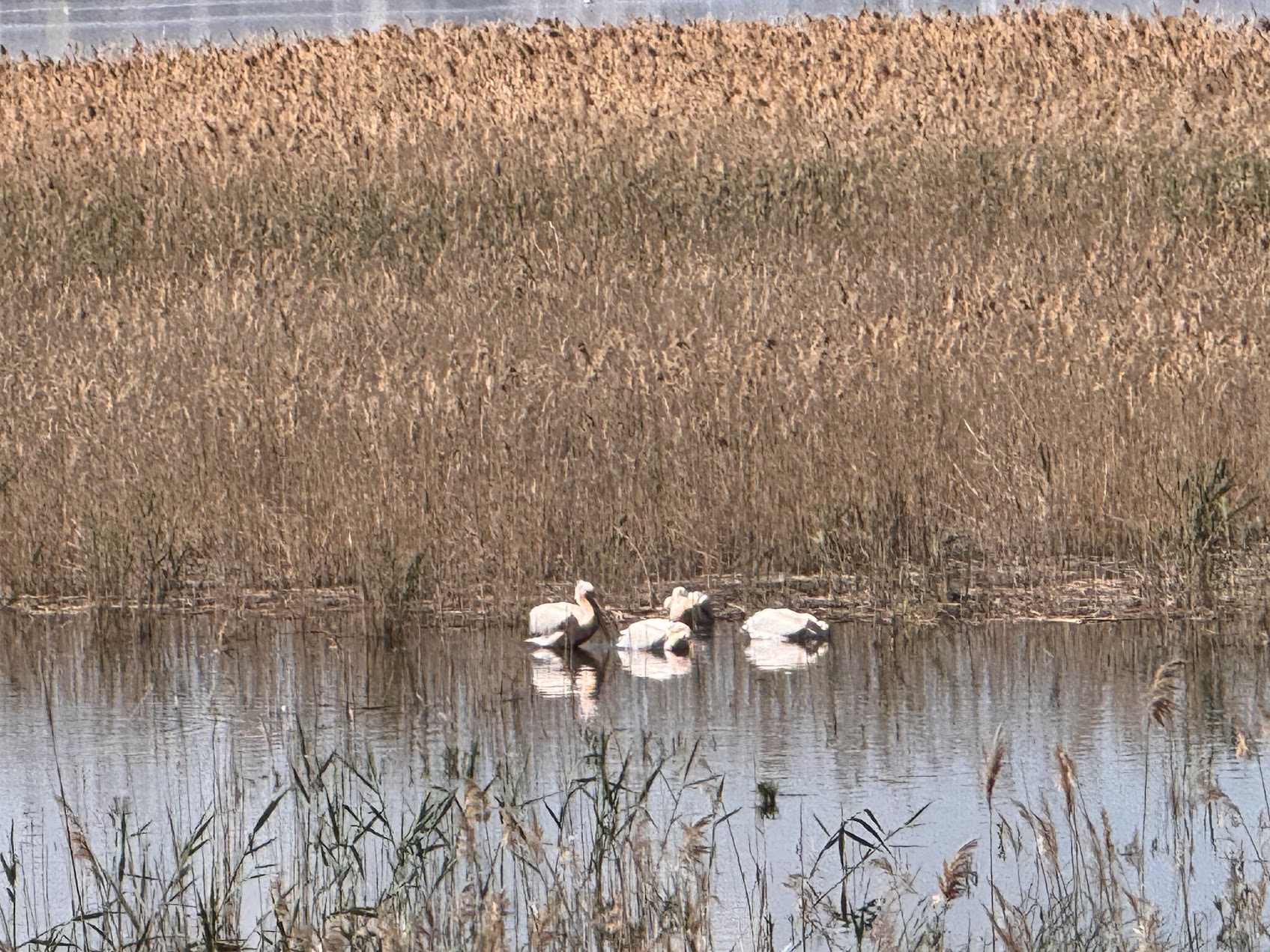
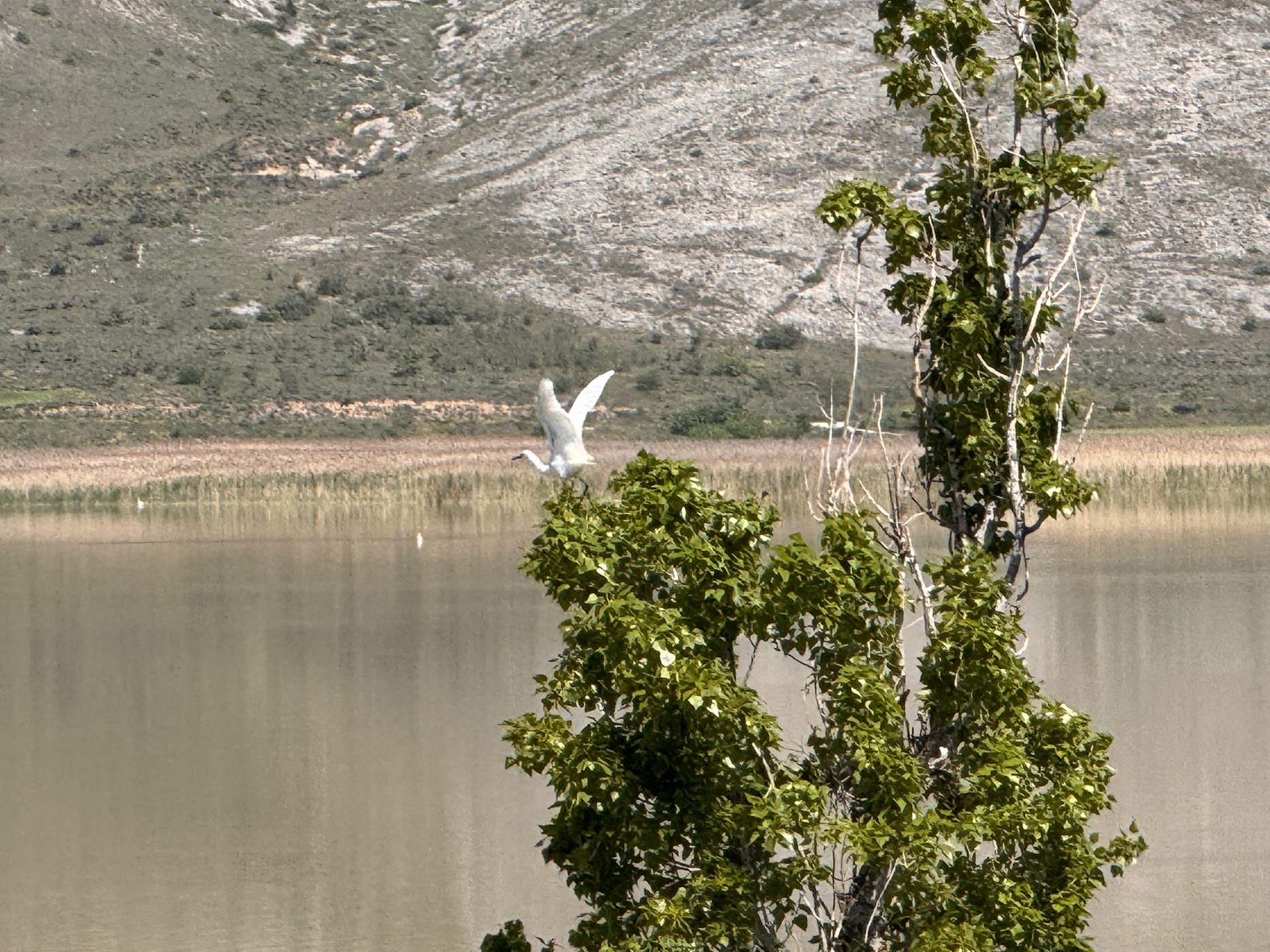
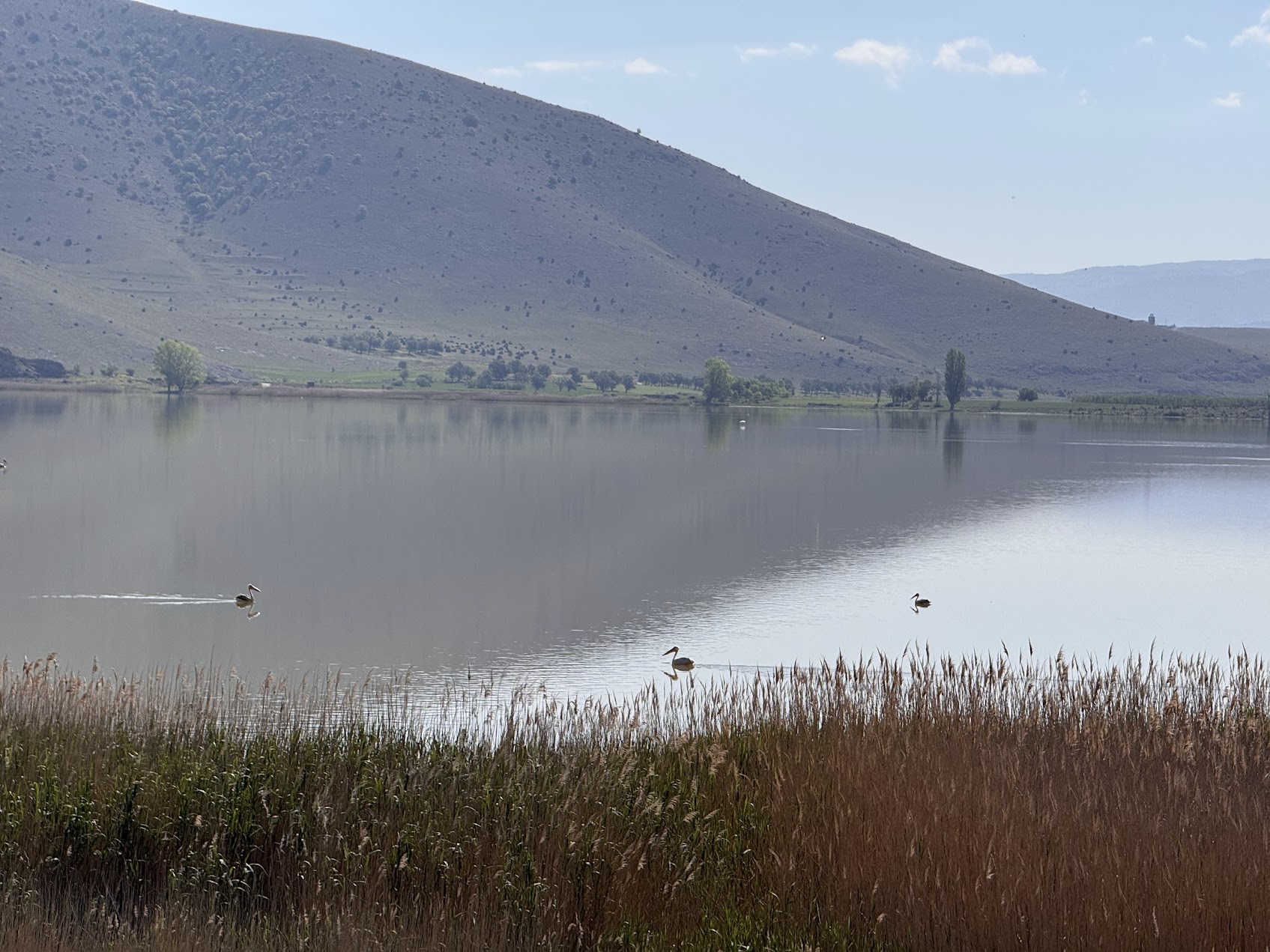
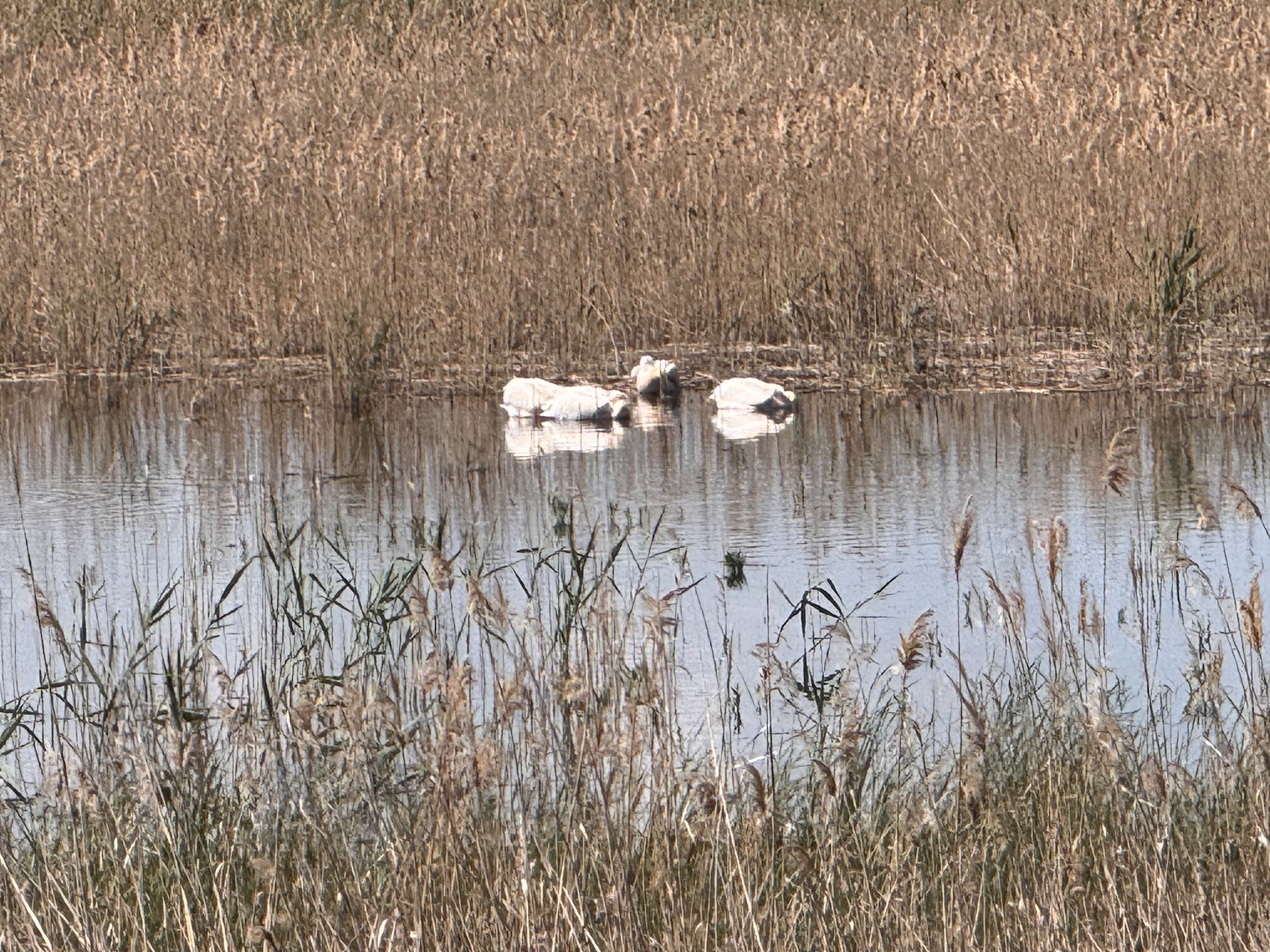
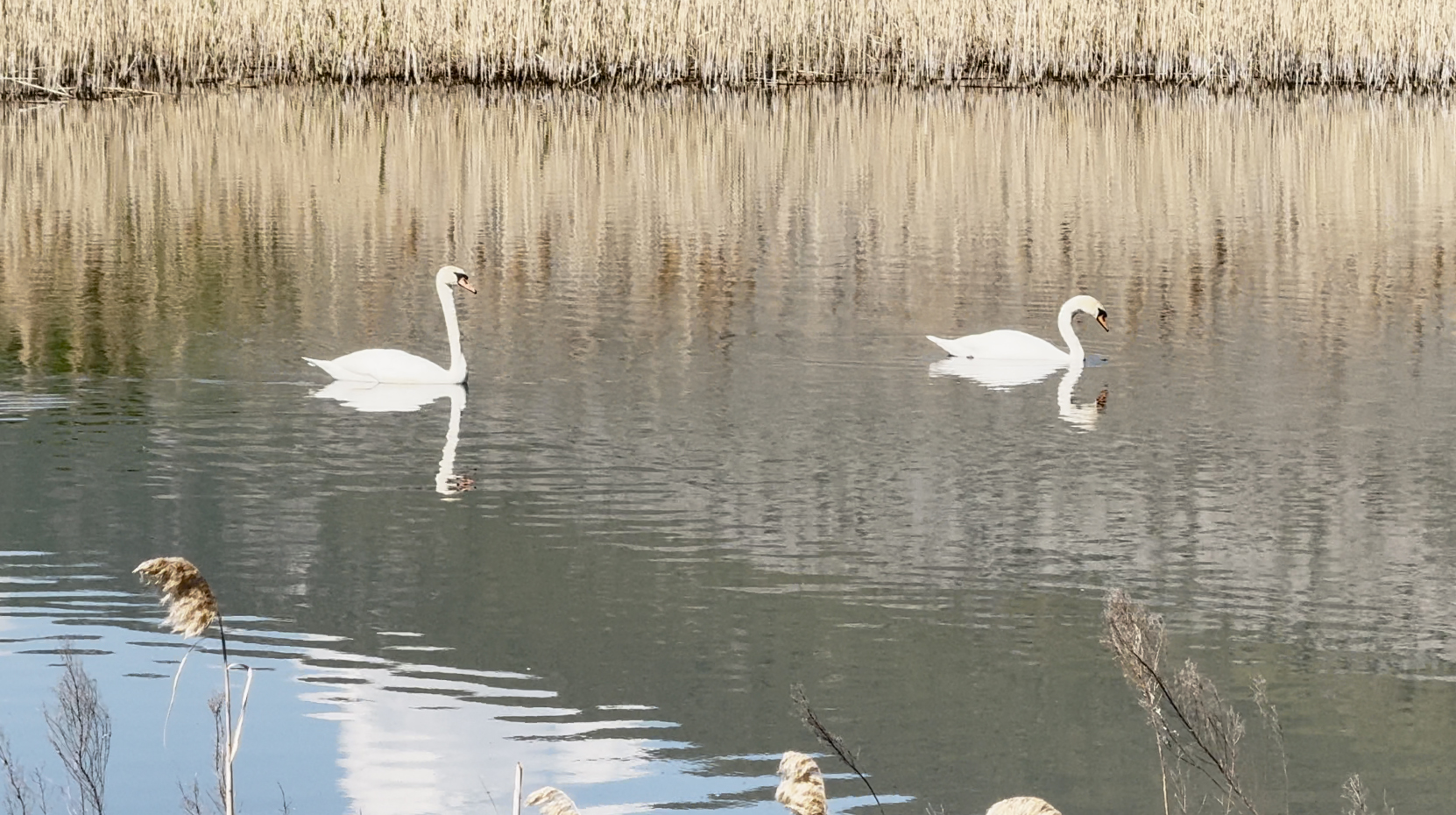
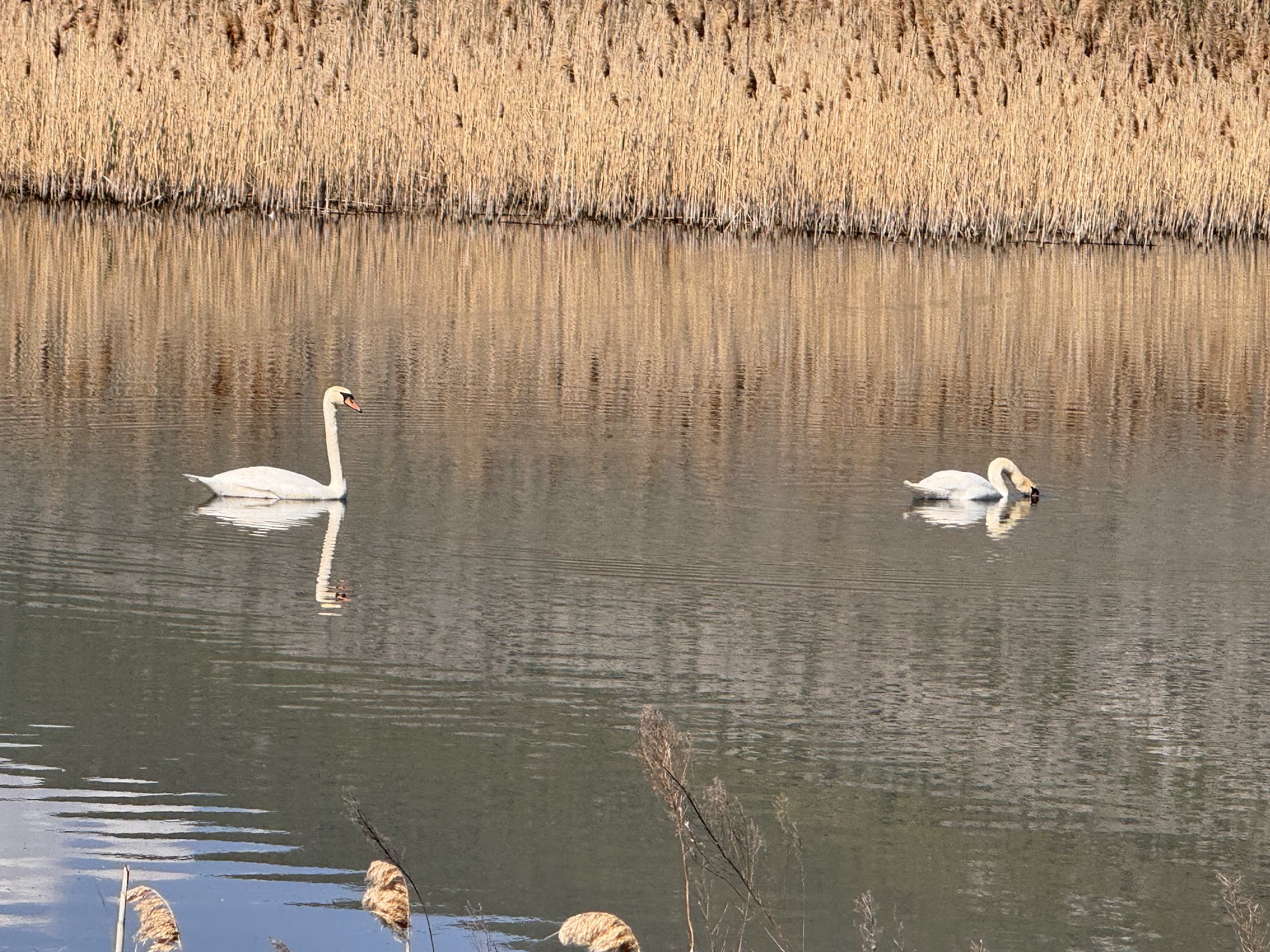
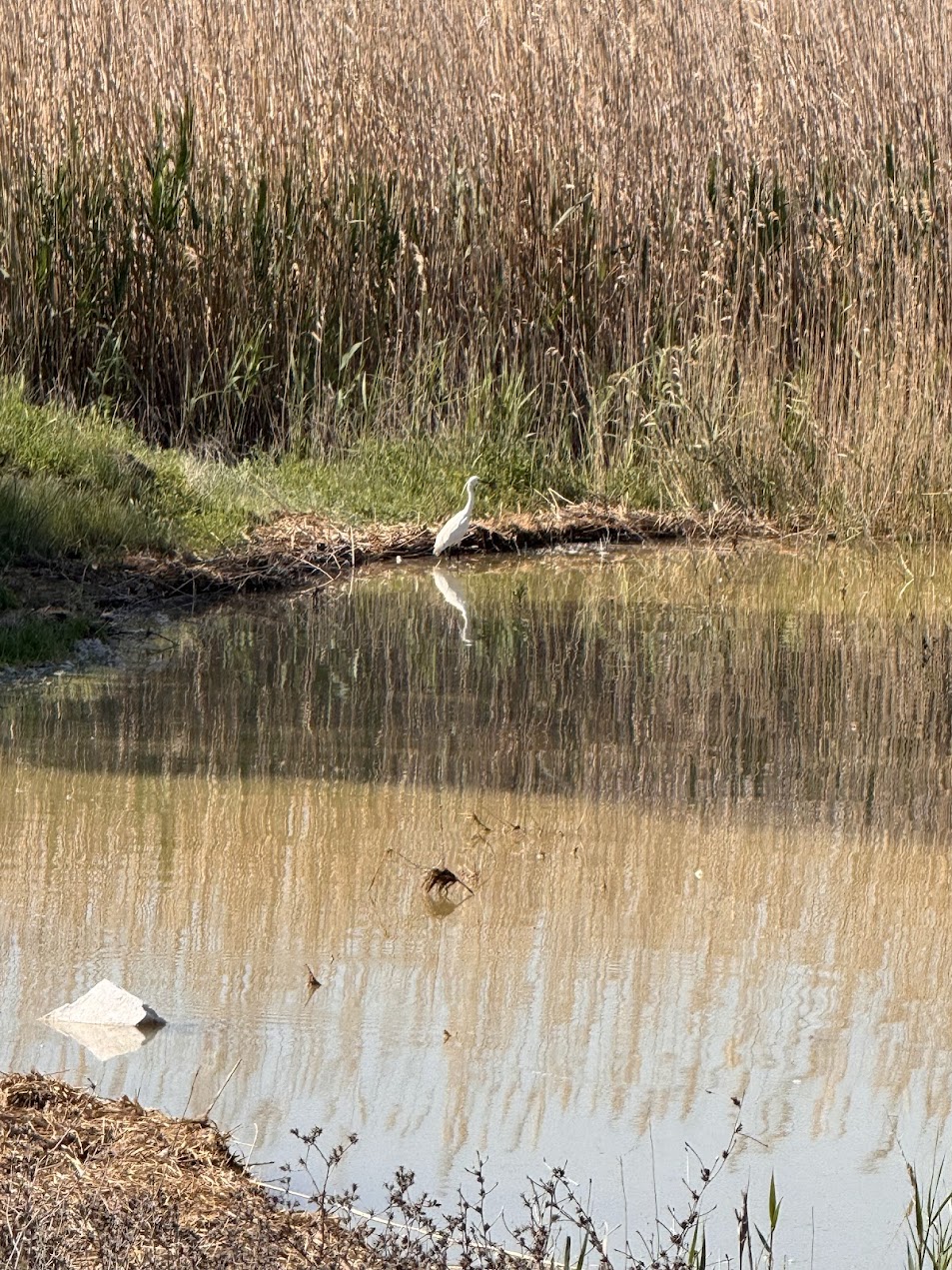
Lake Petron is a particularly important habitat for the avifauna of our country. Nearly 130 species live and overwinter here. Of particular significance is the breeding colony of the pygmy cormorant (laggona), one of the three largest in Greece. Also significant is the breeding of the rare ferruginous duck on the lake. The rare white-tailed eagle is often seen flying over the lake, while the Eurasian coot occasionally roosts in the meadows surrounding it. Herons (egrets, bitterns, night herons, and gray herons) breed in the reed beds and trees, and the rare golden eagle has been observed nesting here. Among the birds of prey found here are lesser spotted eagles, sparrowhawks, marsh harriers, Montagu’s harriers, kestrels, hobby, and pygmy falcons, among others. Among geese and other ducks, one can find gray geese, barbaras, gizzards, shovelers, teals, garganeys, wigeons, pintails, shoveler ducks, ferentinias, black-headed ducks, and green-headed ducks. Other species that round out the avifauna include: Dalmatian pelicans, white storks, coots, swans, great crested grebes, black-necked grebes, kingfishers, purple herons, little egrets, spoonbills, martins, pygmy grebes, sickle-billed grebes, snipes, redshanks, sandpipers, herring gulls, river gulls, cuckoos, and double-crested cormorants.
The amphibians of the lake and the surrounding area include salamanders, crested newts, toads, Balkan frogs, tree frogs, slender frogs, Greek frogs, and yellow-spotted frogs. Among the reptiles, one can find pond turtles, river turtles, green lizards, wall lizards, slow worms, lake snakes, water snakes, tree snakes, and vipers. Lake Petron is home to several otters, while the rare European hares can be found in the surrounding fields. The fauna is rounded out by the occasional presence of wolves and bears, as well as other mammals such as wild boars, badgers, martens, foxes, weasels, hares, and hedgehogs.
The lake’s fish fauna includes about 20 species, the most notable of which are carp (Cyprinus carpio), pike (Esox lucius), tench (Tinca tinca), red-eyed roach (Scardinius erythrophthalmus), roach (Rutilus rutilus), crucian carp (Carassius gibelio), wels catfish (Silurus glanis), and Macedonian loach (Pachychilon macedonicum). It is worth noting that the lake is home to two endemic gastropods classified as critically endangered in the Red List: Marstoniopsis graeca and Graecoanatolica vegorriticola.
Photos