Vineyards
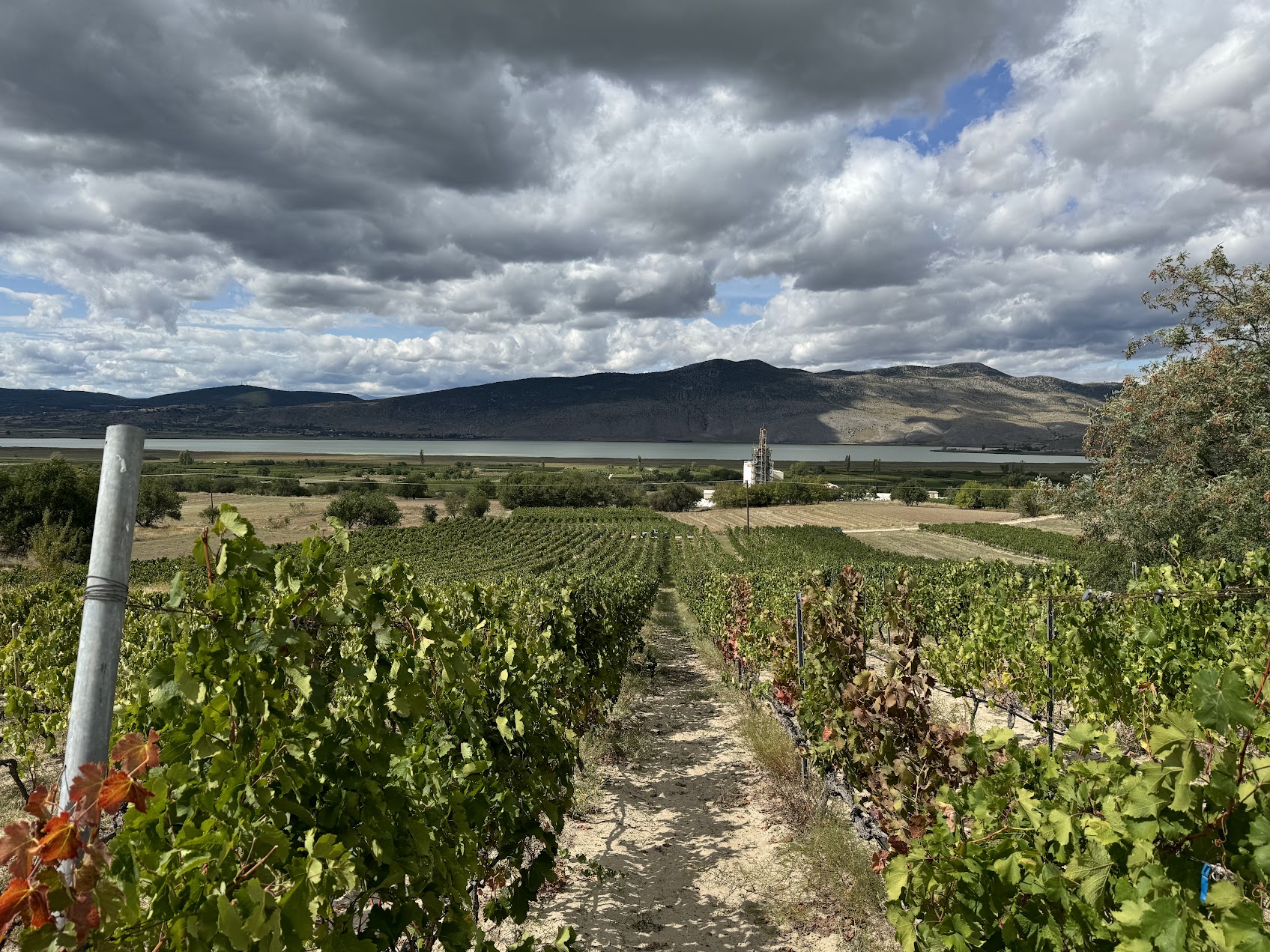
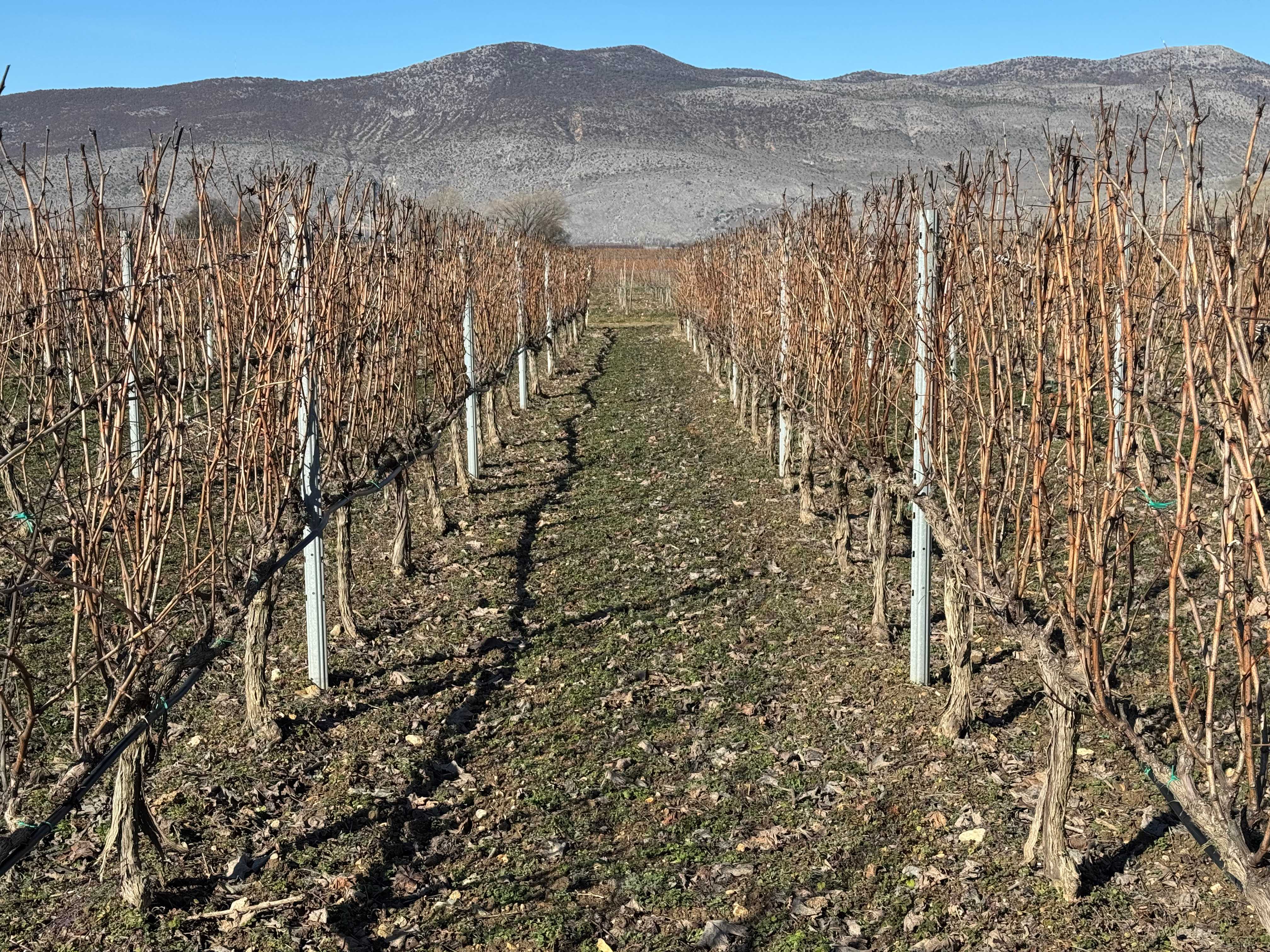
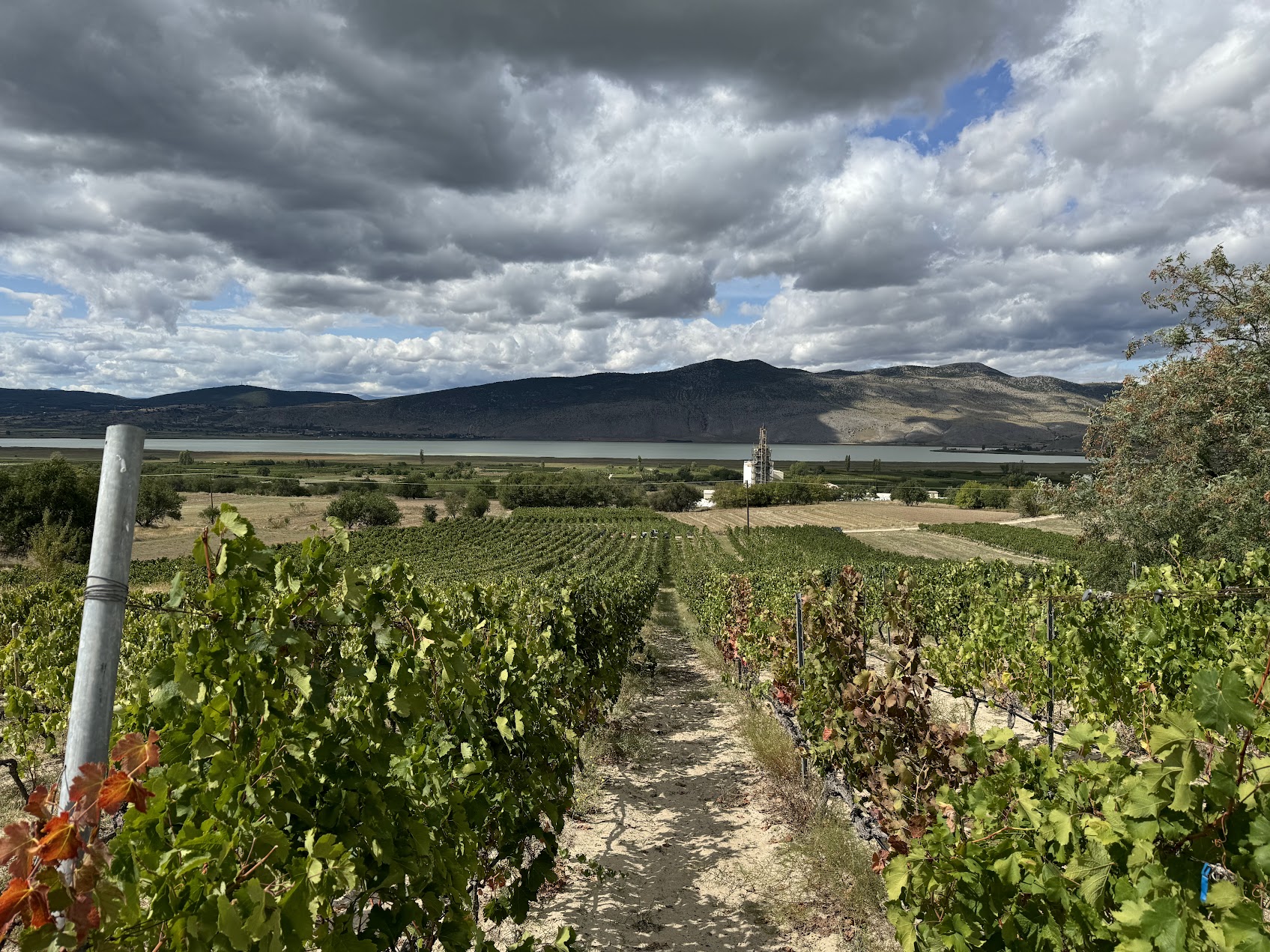
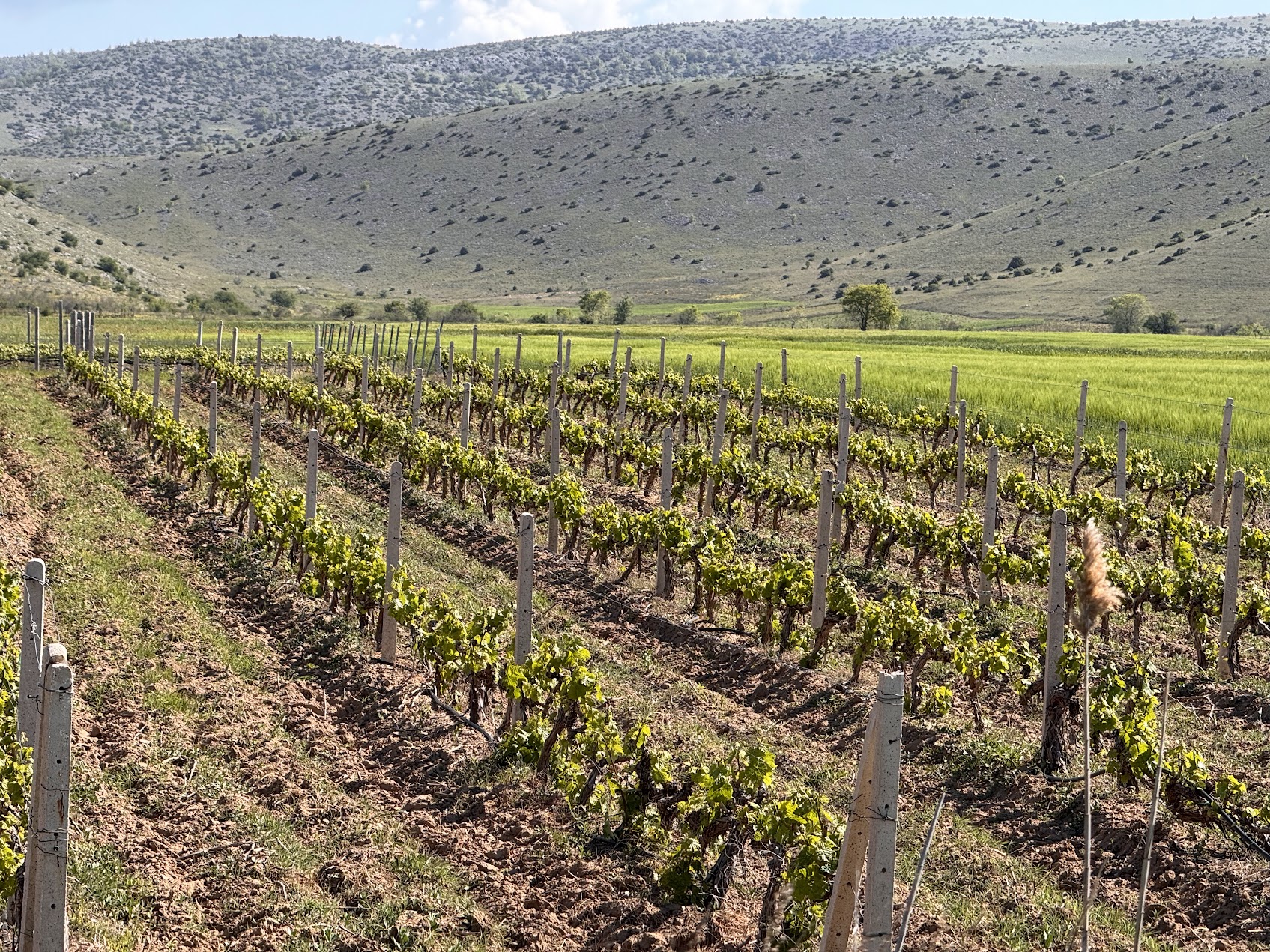
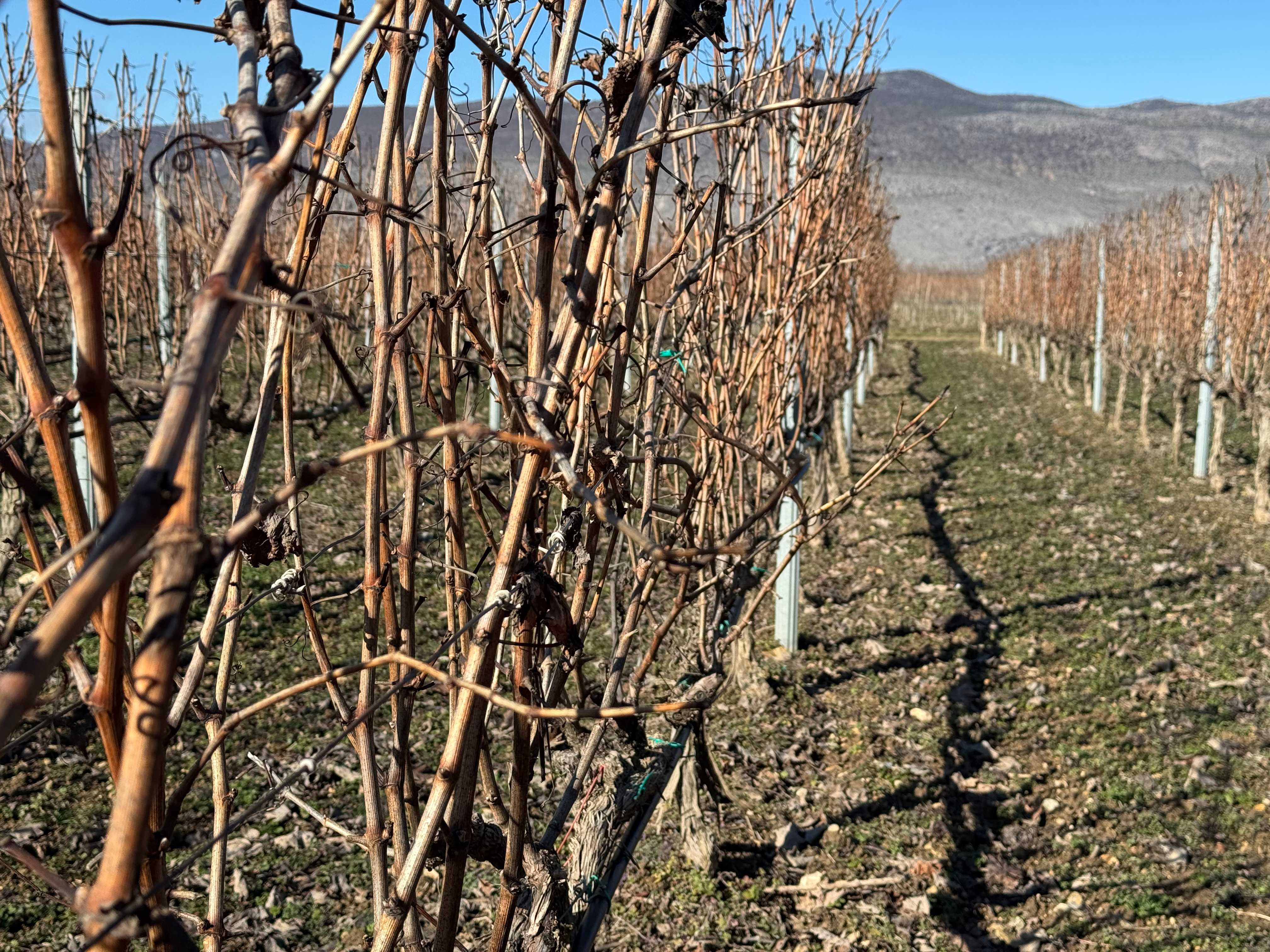
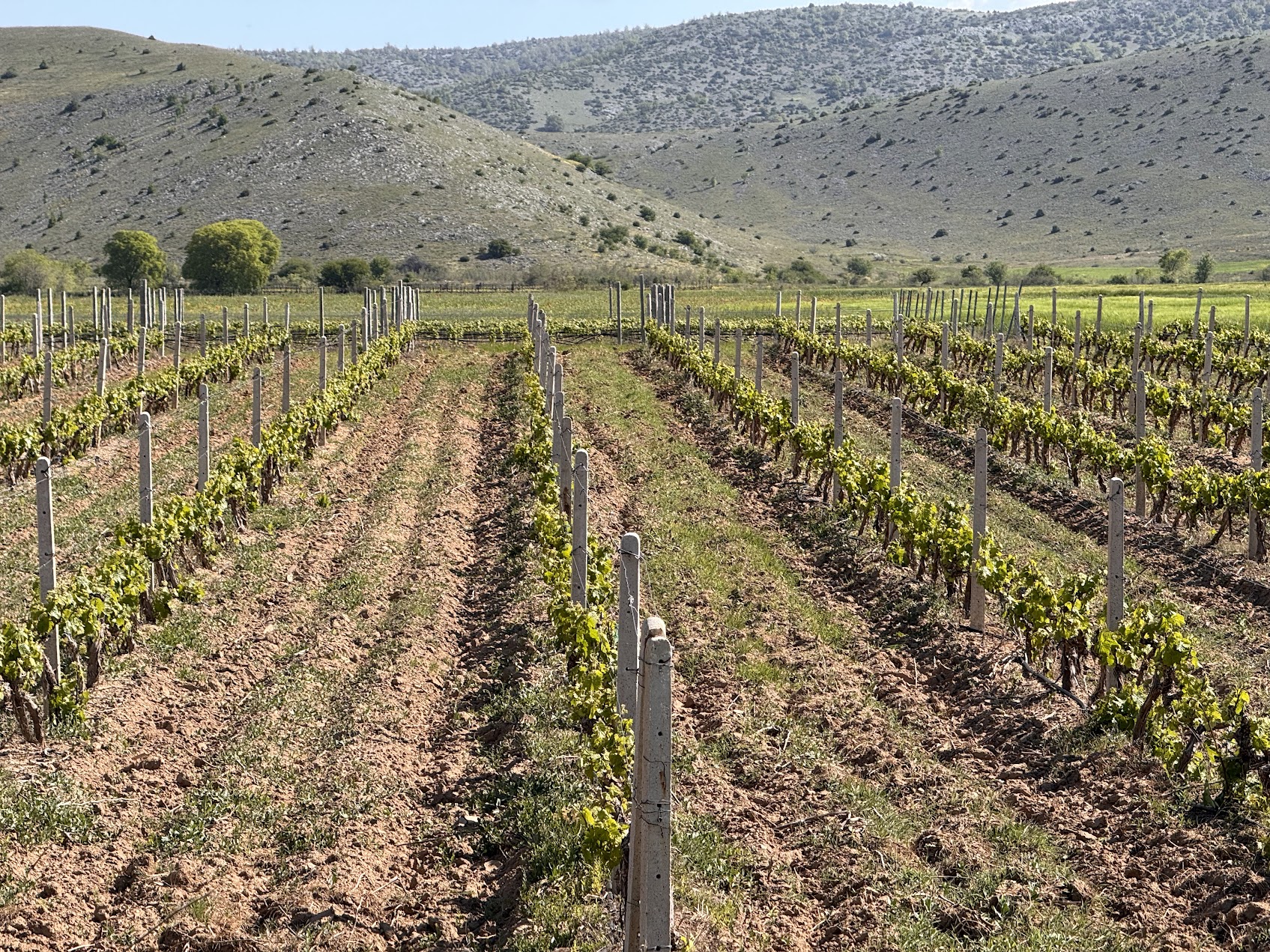
The Amyntaio Plateau, at the northwestern edge of Macedonia, is renowned both nationally and internationally for its viticulture and the production of quality wines, as it is one of the most historic vineyards in Greece.
The earliest evidence of wine production in the Amyntaio region dates back to antiquity, specifically to excavations at the Hellenistic city of Petres, where charred grape seeds were found, along with numerous vessels used for storing and consuming wine. During the period of Ottoman rule, viticulture continued undisturbed and without interruption, as the wines produced in the Amyntaio vineyards were well-known throughout the wider region. In the early 20th century, Amyntaio wine gained widespread recognition and began to be exported to the Balkans and Central Europe. The outbreak of phylloxera and the two World Wars led to the decline of the vineyard. A significant year in the region’s viticultural history was 1959, when the winery of the Amyntaio Agricultural Cooperatives Association was founded. However, the region’s vineyards remained neglected until the area was designated a Protected Designation of Origin (PDO) zone, which sparked their revival. Another milestone for the region came in 1997, when Yiannis Boutaris founded the Kir- Yianni Estate, essentially marking the region’s wine-growing renaissance. As a result, there are now eight active wineries, and other significant investments in the sector are in the works.
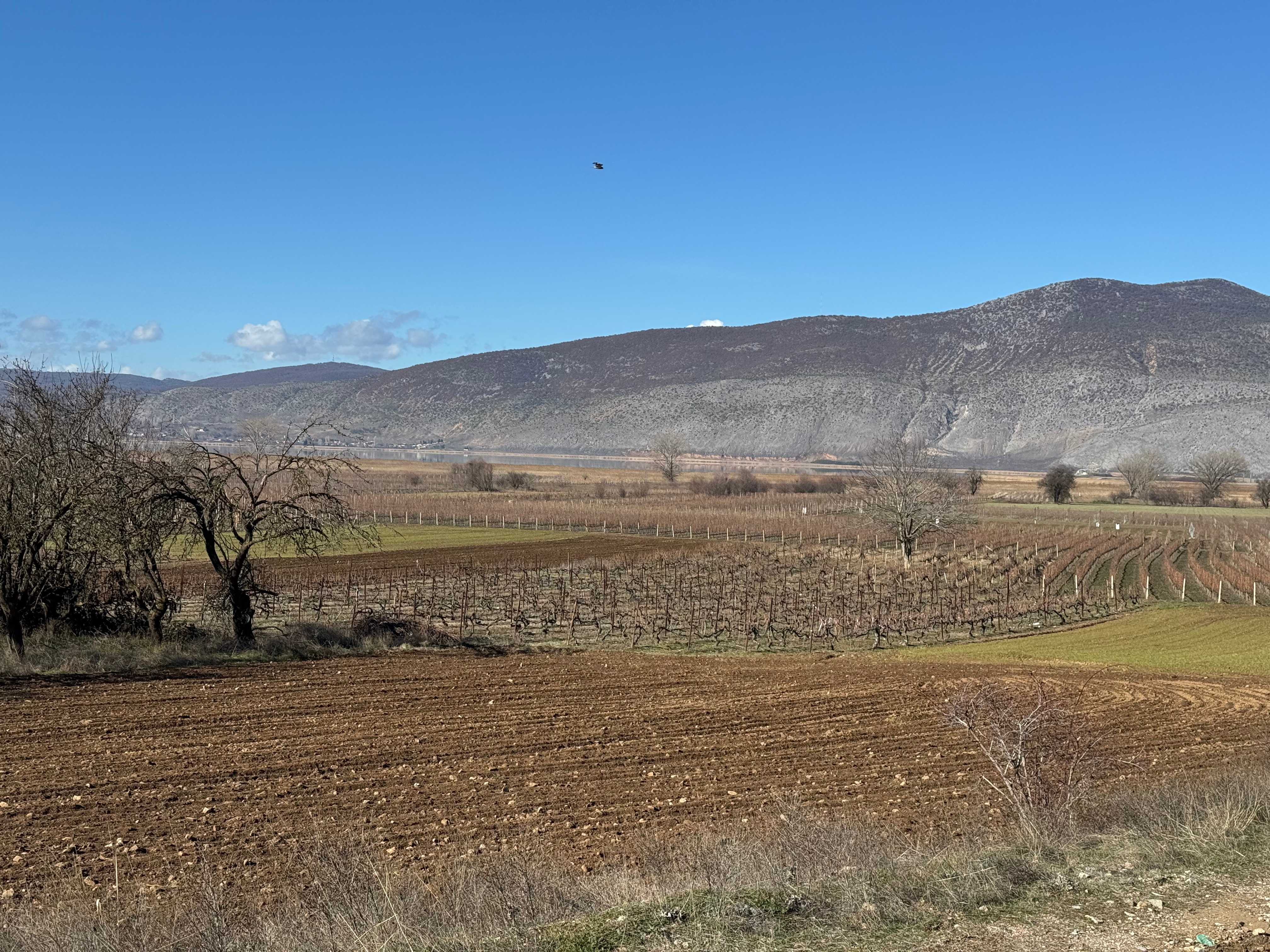
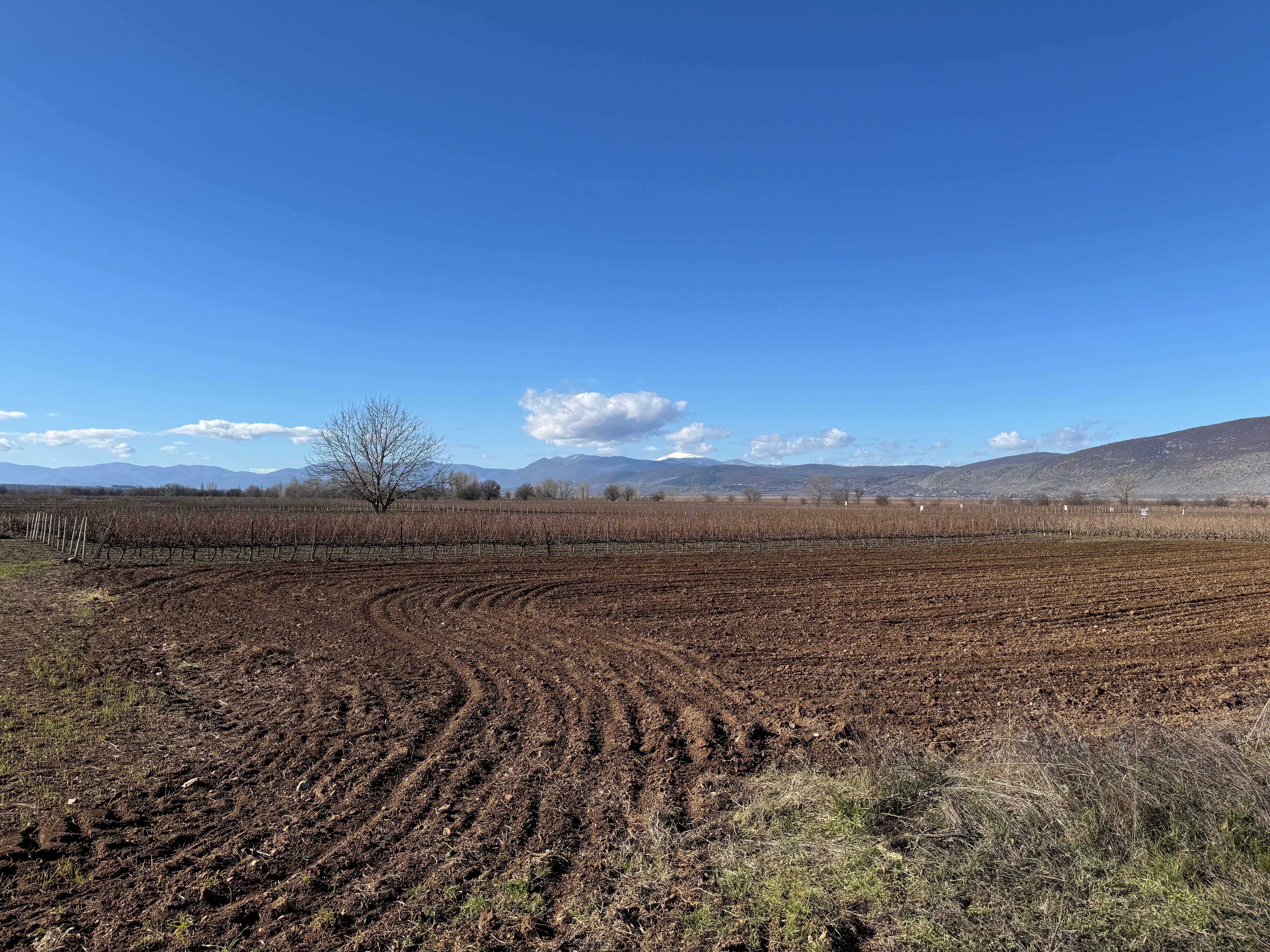
The region has a unique microclimate and soil, ideal for producing high-quality wines. The four lakes that dominate the landscape have a beneficial effect on the microclimate: in winter, they release the heat they have stored during the summer, making winters milder, while in summer, they create a cooler climate. The elevation, ranging from 520 to 720 m, creates a cool viticultural zone with beneficial temperature differences between day and night. On the other hand, the region’s soil is well-drained and ideal for viticulture. For this reason, Amyntaio has now become one of the most promising viticulture regions in Greece, producing dry red and rosé sparkling wines with Protected Designation of Origin (PDO) status, and it is the only Greek PDO zone for rosé wines.
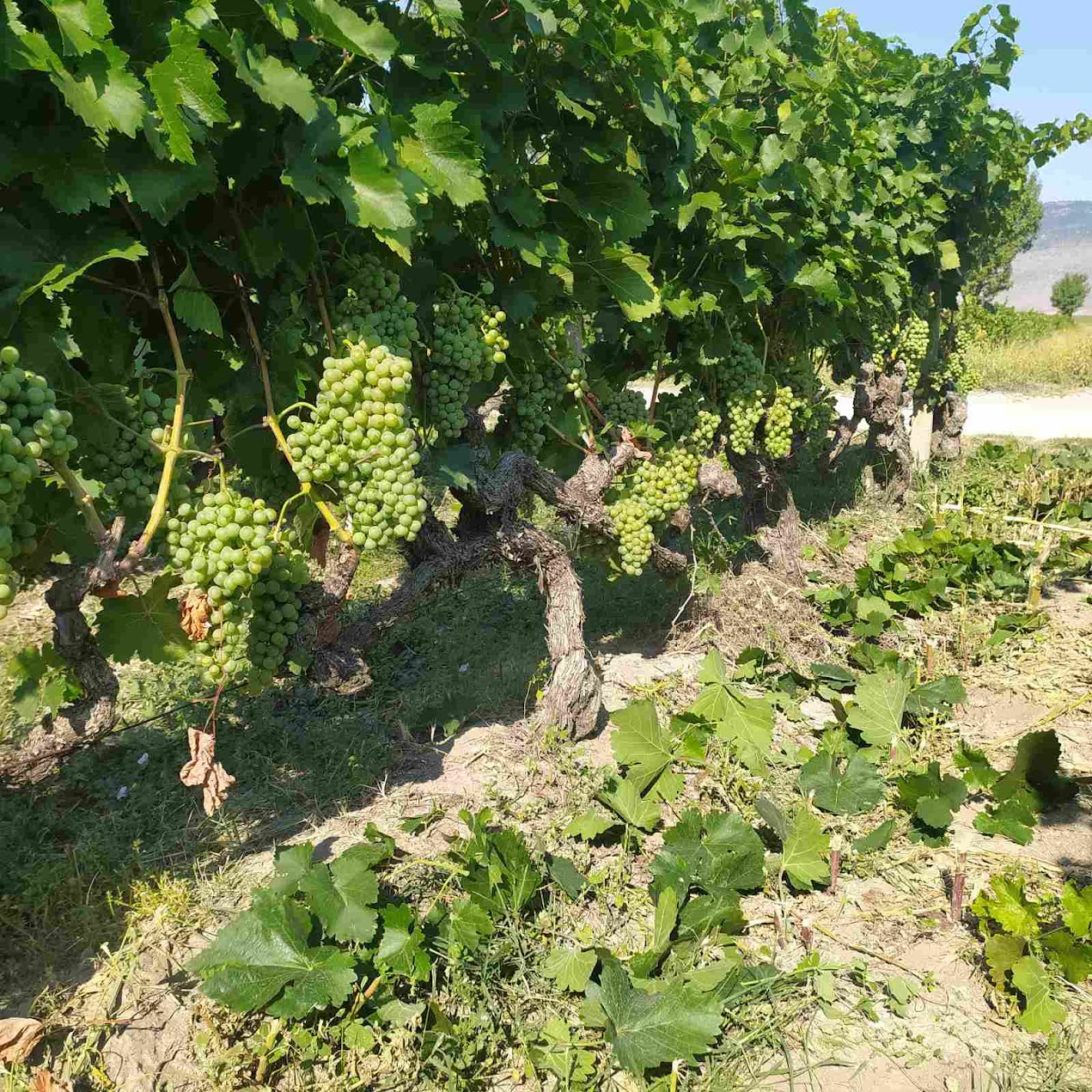
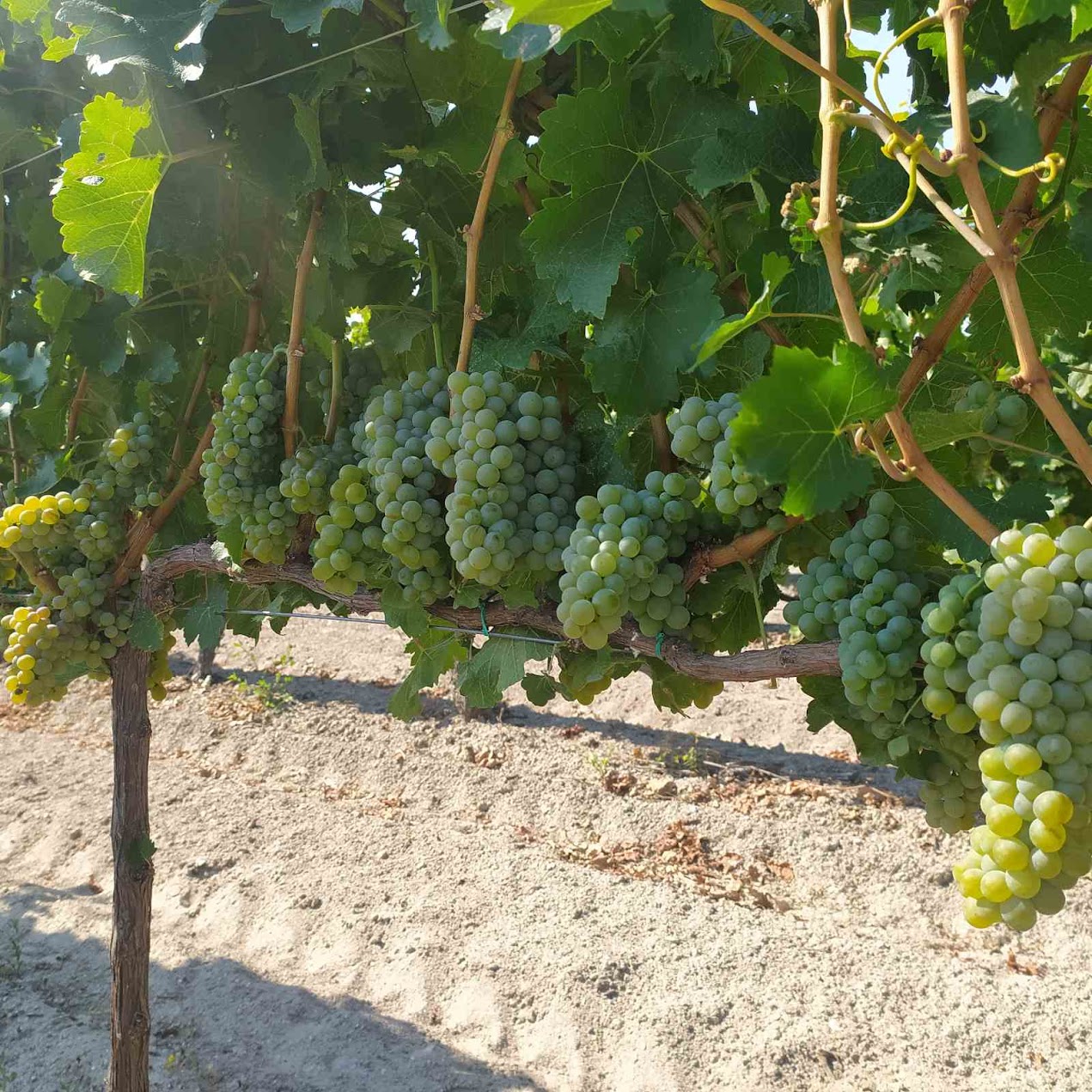
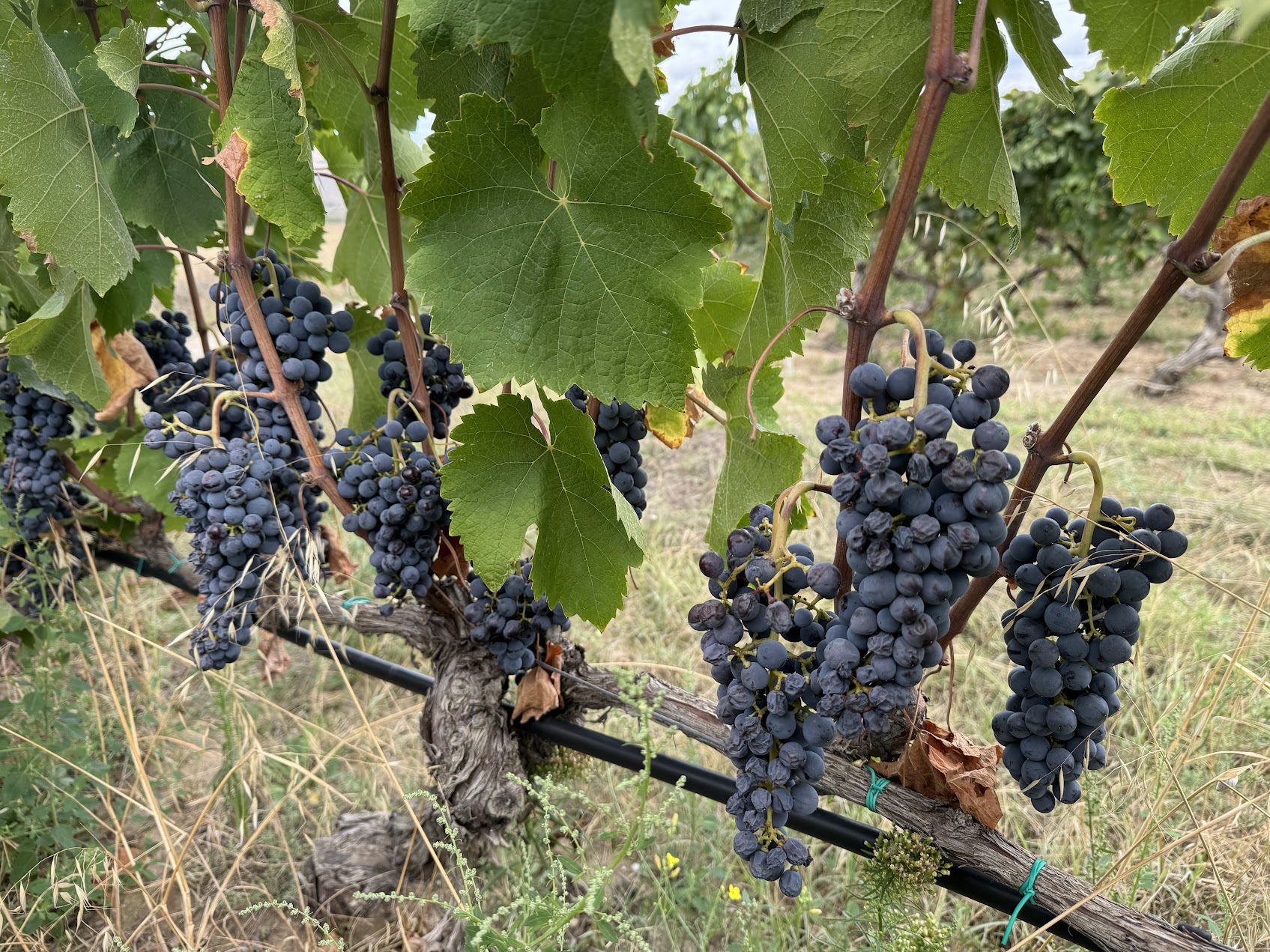
Traditionally, the vineyards of Amyntaio have been planted with Xinomavro, one of the rarest and most noble Greek red grape varieties. Xinomavro has a devoted following among wine connoisseurs and consumers of quality wines, thanks to its structured and complex aromatic profile. Wines made from Xinomavro can age for many years, as they have high acidity, are rich in phenols, have a deep black colour, and possess intense tannins.
Wineries make a significant contribution to the region’s tourism development through their visitor-friendly facilities, which together form the “Four Lakes Wine Route”.
The wineries in the region are:
1. Amyntaio Agricultural Cooperatives Association
2. Kyr-Yianni Estate
3. Alpha Estate
4. Karanika Estate
5. Vegoritis Estate
6. Dimopoulos Estate
7. Petridis Estate
8. In Vino Estate
Photos