Prehistoric settlement of Lake Petron
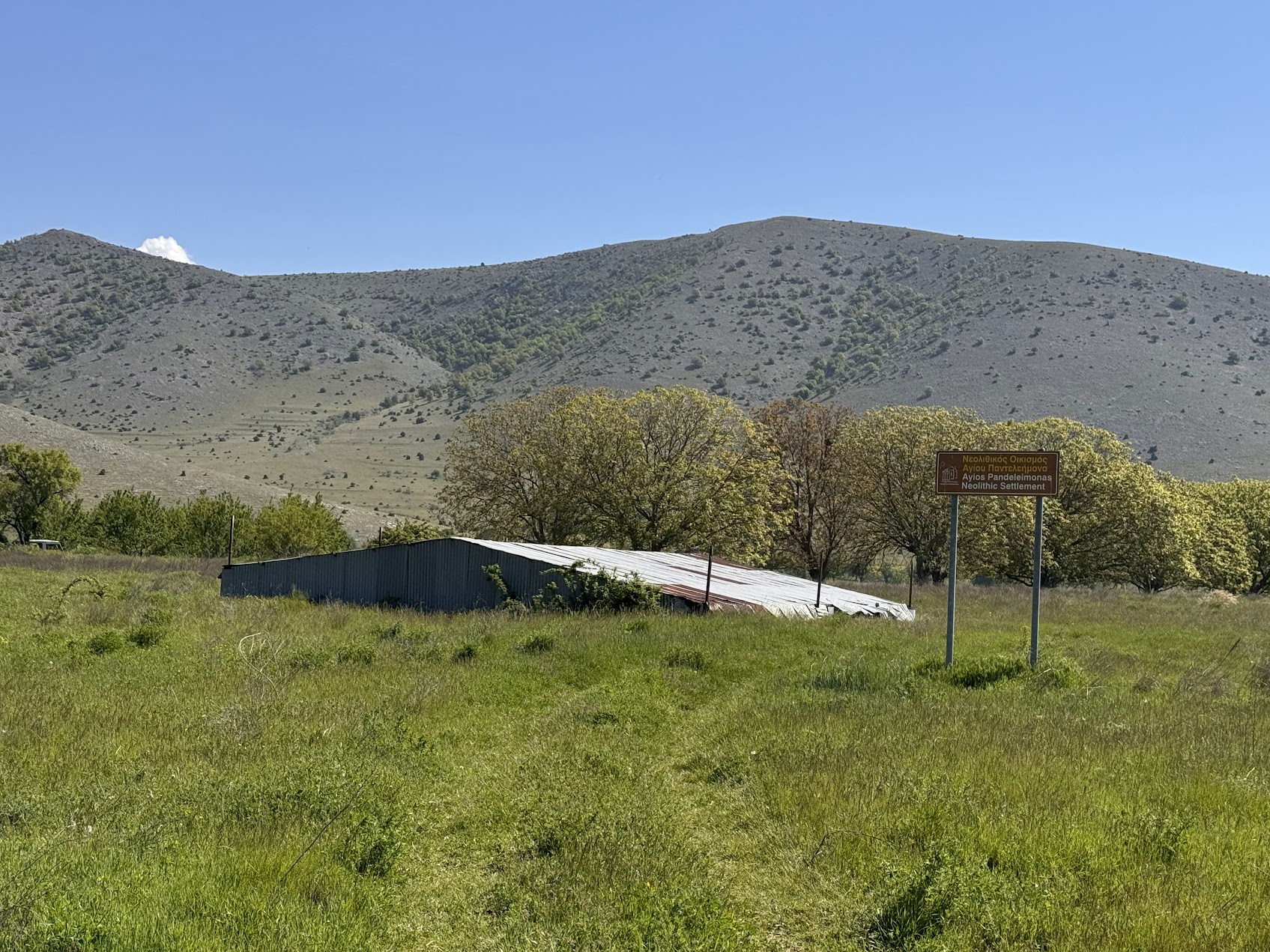
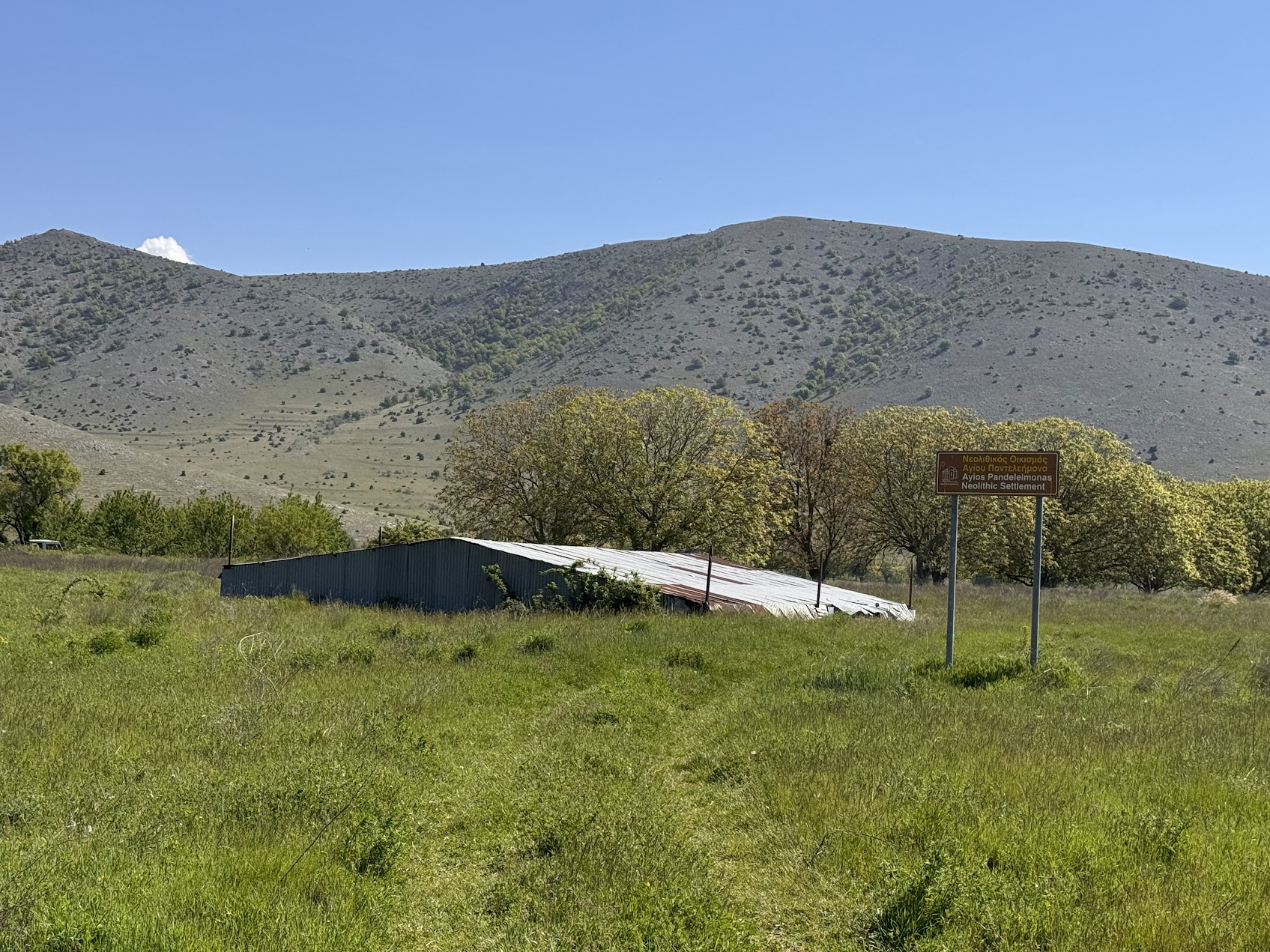
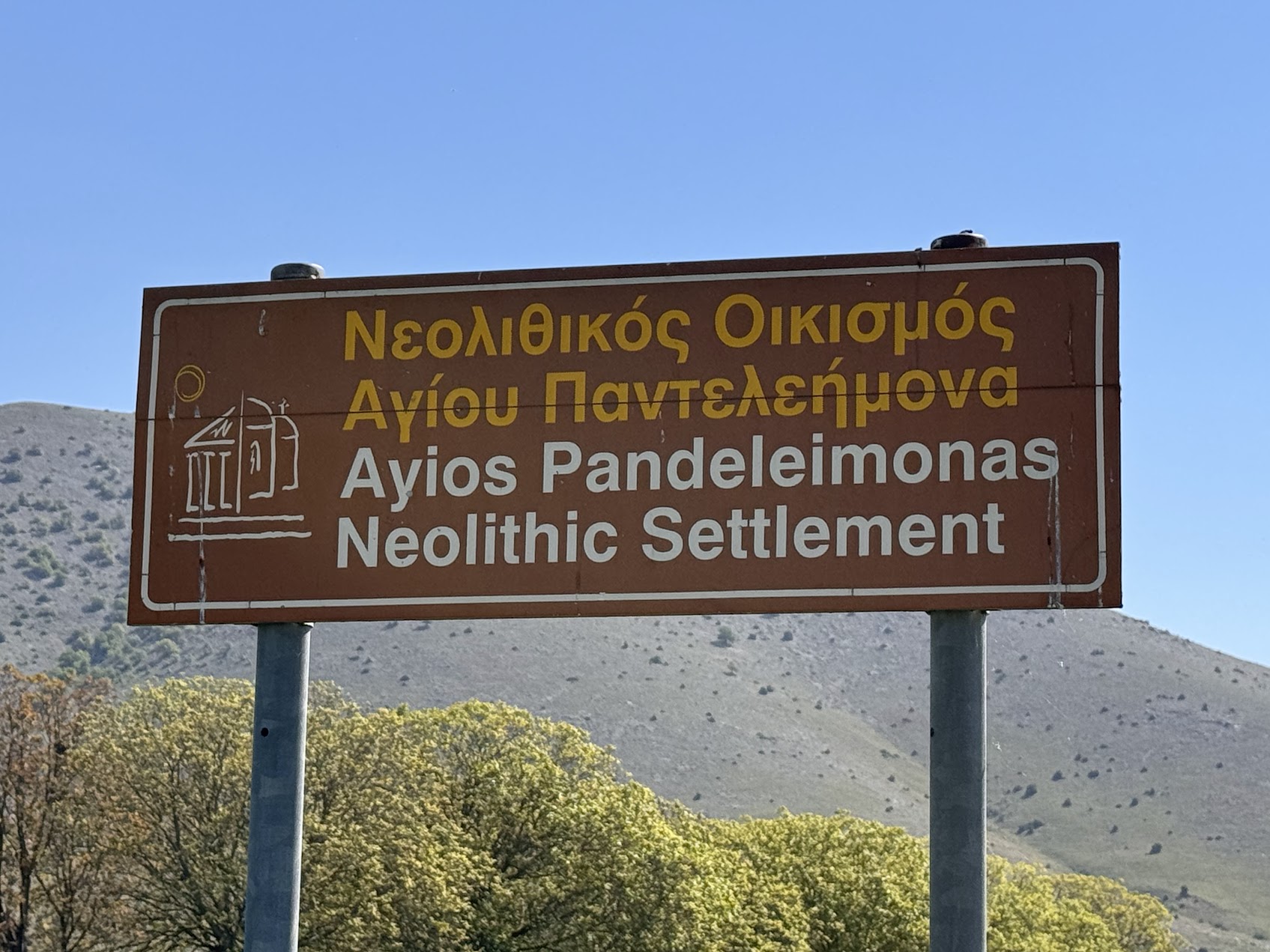
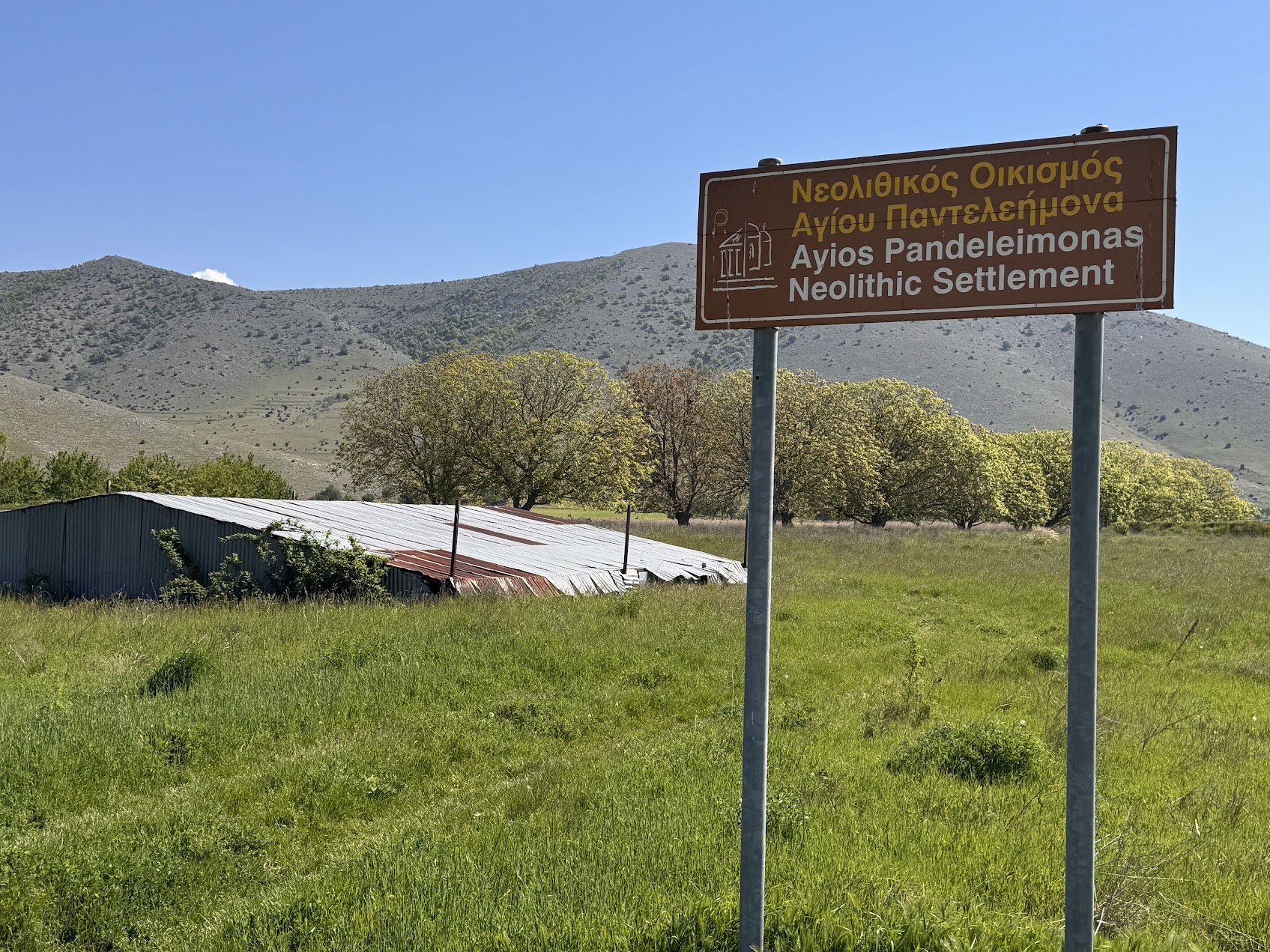
The prehistoric lakeside settlement is located approximately three kilometers west of the modern village of Agios Panteleimon, next to the chapel of the Transfiguration of the Saviour (Metamorfosi Sotiros) and at the tip of a small peninsula on the northeastern shore of Lake Petron. In the wider archaeological area, the Florina Ephorate of Antiquities conducted a series of trial excavations in 1998 to delineate the extent of the settlement, collect data on the site’s stratigraphy and identify its distinctive features.
The collected data indicate that the lakeside settlement was characterised by a prolonged period of habitation, spanning more than five millennia and covering almost the entire Neolithic and Bronze Ages (6500–1200 BC). Based on the available data, it was estimated that the settlement’s surface area during the various periods ranged from 2 to 7 acres.
In 2000, the Florina Ephorate of Antiquities conducted a 10 x 10-meter excavation trench approximately in the centre of the settlement and about 50 meters from the lake’s shore, yielding a large quantity of finds (pottery, stone and bone tools, animal bones, small clay objects, spindle whorls, figurines) and fragmentary remains of the settlement’s architectural layout.
Specifically, in the lower layer dating to the Early Neolithic (6500–6000 BC), a part of an elliptical-shaped clay thermal structure (oven or hearth) was found, while characteristic finds include pottery shards with red slip and white painted or impressed decoration. From the next layer, dating to the Middle Neolithic (6000–5500 BCE), and from an open area with layers of small stones and pottery sherds, a large quantity of archaeological material of all types was discovered.
The Late Neolithic layer (5500–4500 BC) is characterised, in addition to its rich collection of pottery and small objects of various types, by the presence of pits and trenches, structures that may have been used for soil extraction, waste disposal, and draining water from the settlement area toward the lake. Toward the end of this period, the excavated area was used as a burial ground, as evidenced by the presence of seven neolithic burials—a finding that is quite rare in Greece. These are pit burials of three adults, two children, and one infant, with the bodies placed in a strongly flexed position and oriented toward the north-northeast.
In the youngest layers of the settlement, corresponding to the Early Bronze Age (3500–1900 BC), a destruction layer was identified containing ashes, stones, burnt clay with wood imprints, pottery, and vessels containing charred cereal grains—clear evidence of the settlement’s destruction by fire. During the Late Bronze Age (1600–1200 BC), the settlement gradually declined and was finally abandoned.
The lakeside settlement at the Transfiguration of the Saviour (Metamorfosi Sotiros) at Saint Panteleimon is one of the earliest neolithic settlements in a lacustrine environment in the Prefecture of Florina, as well as in the wider region.
Photos